Why Trump zeroed in on Greenland, the world’s largest island, mostly covered in ice — in 3 charts
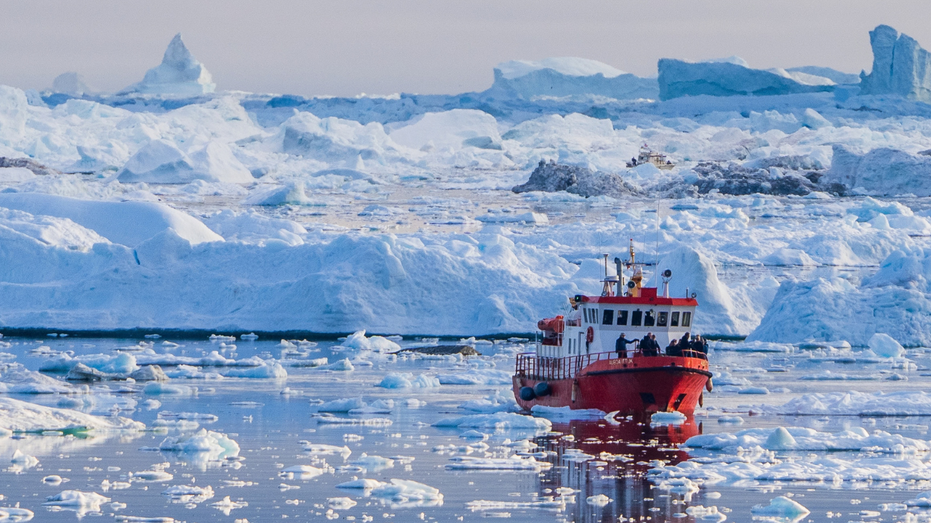
Donald Trump’s push to secure greater control over Greenland has resulted in a proposed security agreement with Denmark and Greenland. While Greenland would remain under Danish sovereignty, the deal could give the United States a larger military role and restrict China, Russia and other non-NATO powers from establishing bases or making sensitive investments. The development matters because melting Arctic ice, new shipping routes and competition for strategic influence are increasing Greenland’s geopolitical importance.
Greenland has around 56,000 residents, with about 80% of its territory covered by ice and most people living in small coastal communities. The United States has operated the Pituffik Space Base there since 1953, while Greenland’s rare-earth deposits and other critical minerals have attracted attention because China controls roughly 60% of mining and more than 90% of processing worldwide. Although the agreement falls short of Trump’s earlier ambition of bringing Greenland under US control, it could strengthen Washington’s position in Arctic defence and resource competition.
- Greenland is becoming a major Arctic security and resource battleground.
- A proposed deal could expand the US military presence.
- Melting ice and minerals are driving international competition.