Why standby mode can protect smart TVs and keep them updated
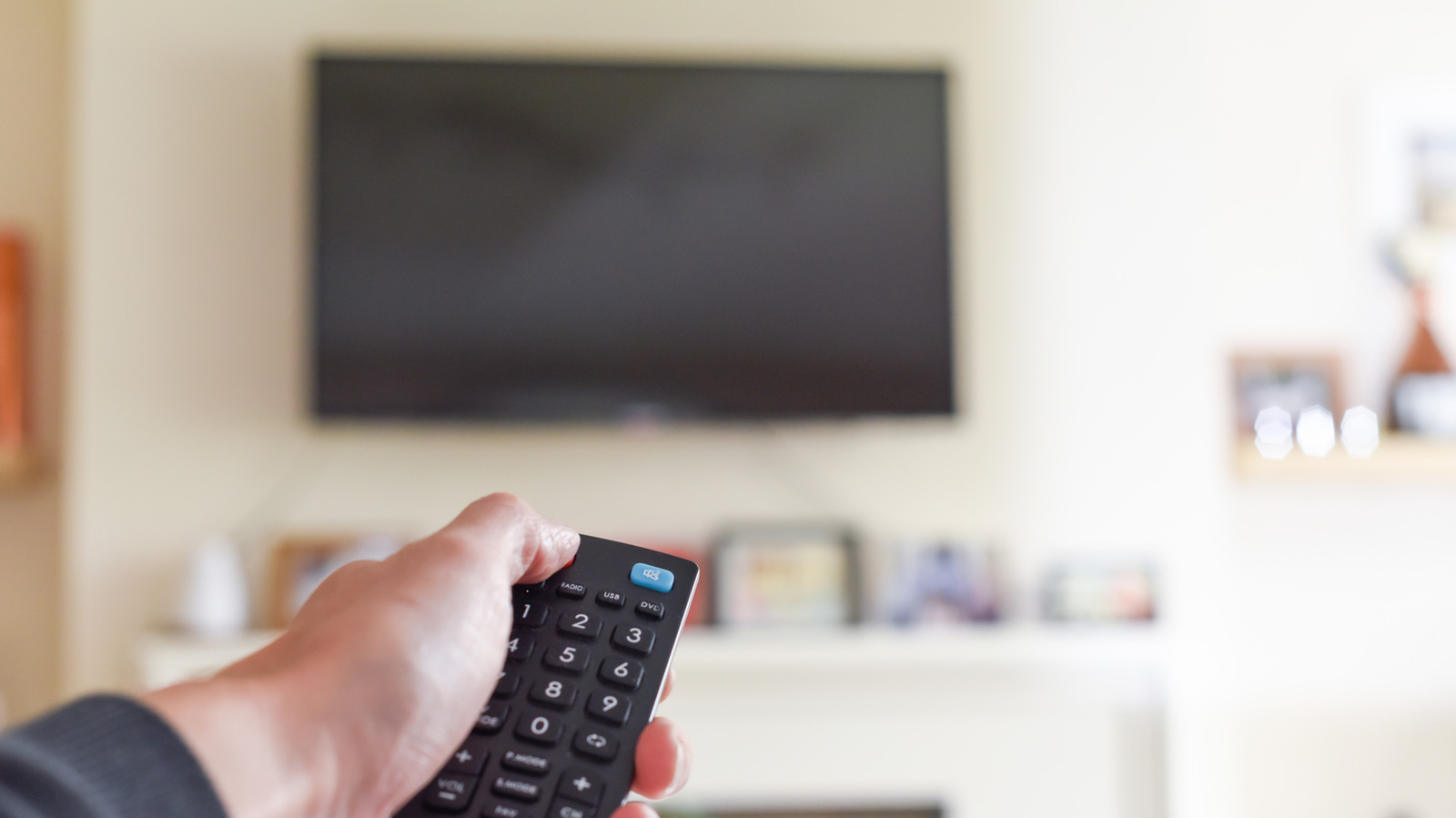
Modern smart televisions are designed to enter standby mode rather than fully powering down, and whilst this consumes a small amount of electricity, it serves important functions that make it beneficial for users and device longevity. The article addresses whether viewers should leave their TVs in standby or unplug them entirely, explaining that standby mode offers genuine advantages beyond mere convenience.
Smart TVs can perform critical maintenance tasks during standby, including software updates and app refreshes, whilst full shutdown requires several minutes of boot time before use. OLED televisions particularly rely on standby mode for an automatic pixel-refresh function that prevents image burn-in and display degradation; interrupting this process repeatedly can cause uneven wear. Energy consumption is negligible—ENERGY STAR-certified TVs use a maximum of one watt in standby, equating to roughly 9 kilowatt-hours annually. Unplugging the TV prevents these essential maintenance processes from running, whilst occasional reboots can improve responsiveness if the device experiences lag or sluggishness.
- Standby mode enables background updates and prevents lengthy startup delays versus full shutdown.
- OLED TVs need standby for pixel-refresh cycles that prevent burn-in and image degradation.
- Standby power consumption is minimal—about one watt per device annually.
Read the full article at the source →
Originally published by Engadget as “Is there any benefit to keeping your smart TV in standby mode?”.