Wired vs. wireless internet: Which should you choose for your home?
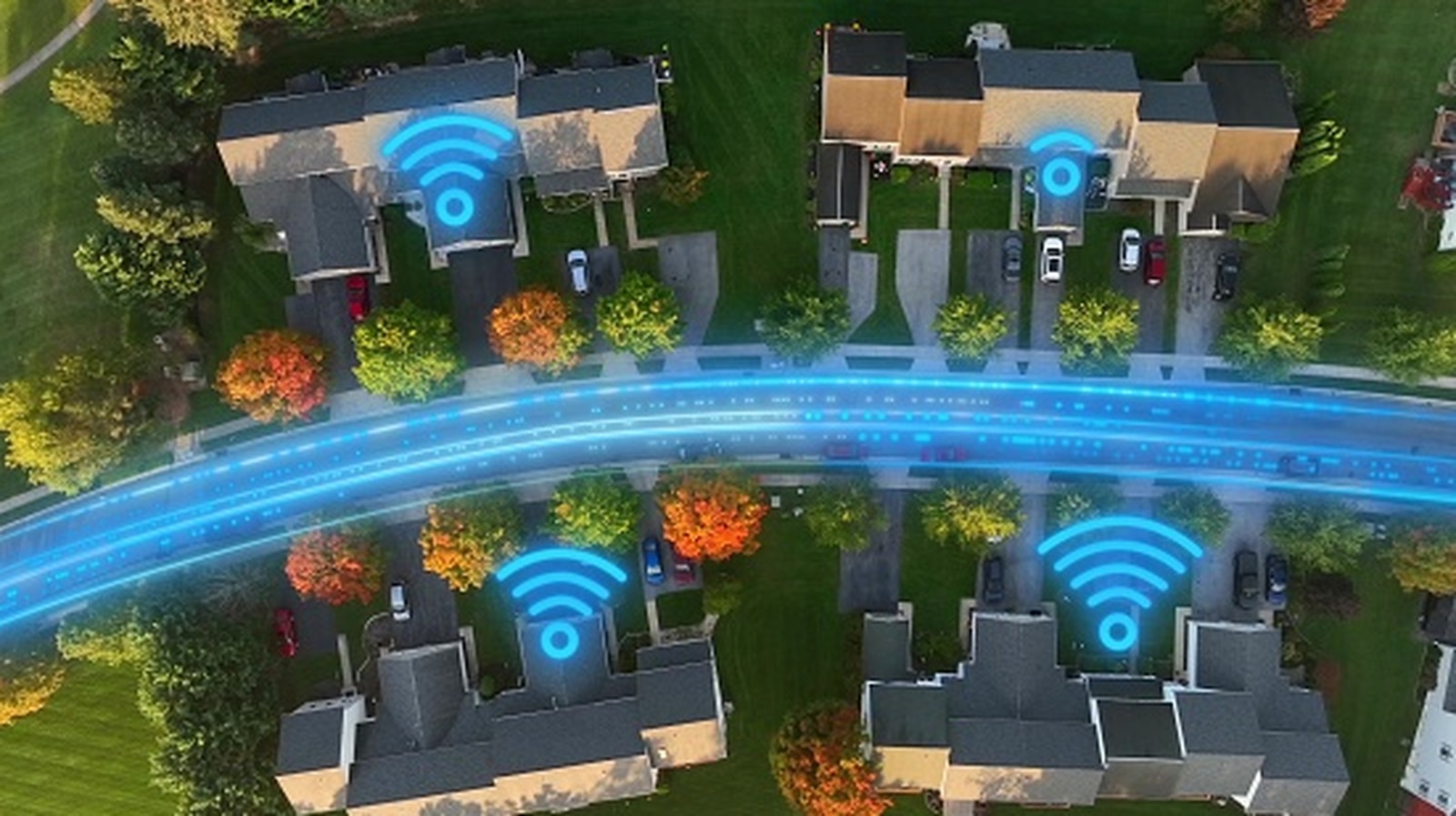
The article explains that “wired” and “wireless” home internet describe how a provider delivers service to the property, not whether devices use Wi‑Fi or Ethernet indoors. Wired services use fibre, coaxial cable or DSL lines, while fixed wireless uses 4G LTE or 5G to connect a home gateway; the best choice depends on availability, performance needs and local network conditions.
Wired does not automatically mean faster: fibre and modern cable can offer high speeds, but a strong 5G connection may outperform older DSL. An April 2026 Opensignal analysis found fibre and cable users generally achieved higher average download speeds than fixed-wireless users, although the gap was much smaller for consistent quality, while providers reported fixed-wireless download speeds ranging from roughly 90 to 354 Mbps depending on the service.
- The best option depends on local availability and household needs.
- Fibre is fastest, but strong 5G can beat older DSL.
- Fixed wireless can deliver competitive everyday performance.
New here? Start with this
Home internet can reach a property through a physical line or a wireless mobile network. Wired services use fibre, coaxial cable or DSL, while fixed wireless uses 4G or 5G signals to connect a gateway in the home.
This is separate from the Wi-Fi or Ethernet connections used by devices inside the property. The main choice depends on which services are available locally, how much speed and reliability the household needs, and the quality of the nearby network.
Fibre and modern cable connections are often faster, but fixed wireless can be a strong alternative where cabling is limited or older DSL is the only wired option. Performance can vary between providers and locations, so advertised speeds do not always reflect the experience in a particular home.