Rare brain schistosomiasis diagnosed after seizure in Filipino rice farmer
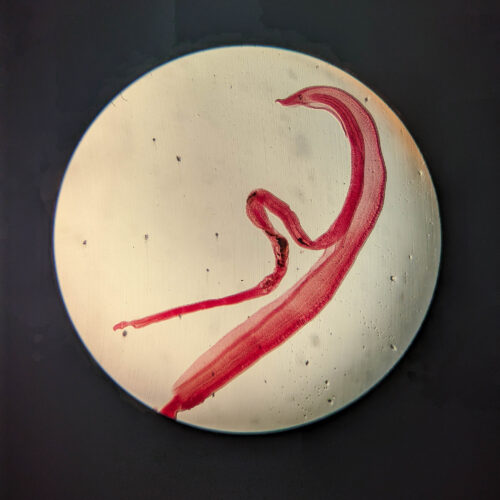
A rice farmer in the Philippines experienced a sudden seizure affecting her right arm and leg, prompting emergency hospital admission. Brain imaging revealed a cluster of nodules in her left frontal lobe, which doctors suspected were parasitic worm eggs, leading to a diagnosis of cerebral schistosomiasis caused by S. japonicum infection. Whilst most parasitic worm infections remain asymptomatic in blood vessels, the rare cases where eggs lodge in the brain typically trigger seizures and serious neurological complications.
S. japonicum is a blood fluke found throughout the Philippines, China, and parts of Indonesia, with a complex life cycle involving aquatic snails and transmission through the skin. The diagnosis was confirmed using a 1950s laboratory technique called the circumoval precipitin test, in which patient antibodies bind to reference worm eggs, forming distinctive tail-like structures; testing also identified 190 eggs per gram in the patient's faecal sample. The adult worms typically inhabit blood vessels between the liver and intestines, where paired males and females produce eggs that pass through urine and faeces, but exactly how eggs reach the central nervous system in rare cases remains unclear.
- Filipino rice farmer diagnosed with rare brain worm infection after seizure
- Confirmed via 1950s antibody test showing tails on parasite eggs
- Worm eggs in brain cause seizures; usually infections go unnoticed in blood vessels
Read the full article at the source →
Originally published by Ars Technica as “Woman’s brain worm infection confirmed after eggs grow tails in lab test”.