Europe report warns satellite growth could intensify orbital debris risks
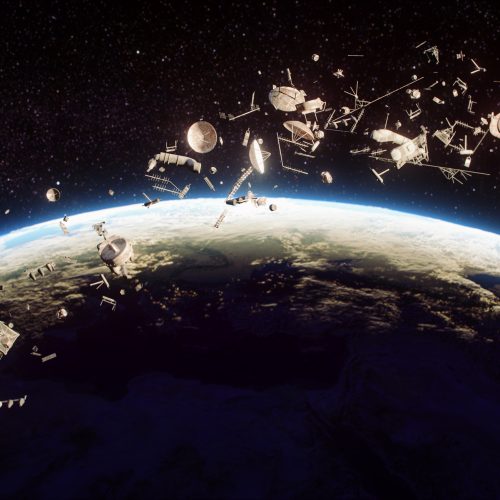
The rapid growth of satellite constellations has renewed concern about the risk of orbital collisions and a possible “Kessler syndrome”, in which cascading impacts create enough debris to make some orbits unusable. The issue matters because crowded low-Earth orbit could threaten satellites, human spaceflight and the long-term viability of commercial and scientific activity in space.
There are now about 17,000 active satellites, compared with roughly 1,000 when the film *Gravity* was released, including approximately 11,000 Starlink spacecraft. Amazon, China and proposed orbital data centres are expected to add many more. Experts disagree about the severity of the danger: Moriba Jah predicts that some orbits could become saturated and that serious casualties may occur within a decade, while Elon Musk argues that space is vast enough to prevent significant overcrowding. A new European Space Agency report has nevertheless sharply raised its projections for future satellite numbers and highlighted worsening sustainability concerns.
- Satellite numbers have risen from about 1,000 to 17,000.
- Experts disagree over how soon orbital overcrowding may become dangerous.
- The ESA has increased its projections for future satellite growth.
Read the full article at the source →
Originally published by Ars Technica as “A new report from Europe raises serious alarms about orbital collisions”.