Pope Leo XIV begins historic 4-day visit to France
Developing story first seen 4 hours ago
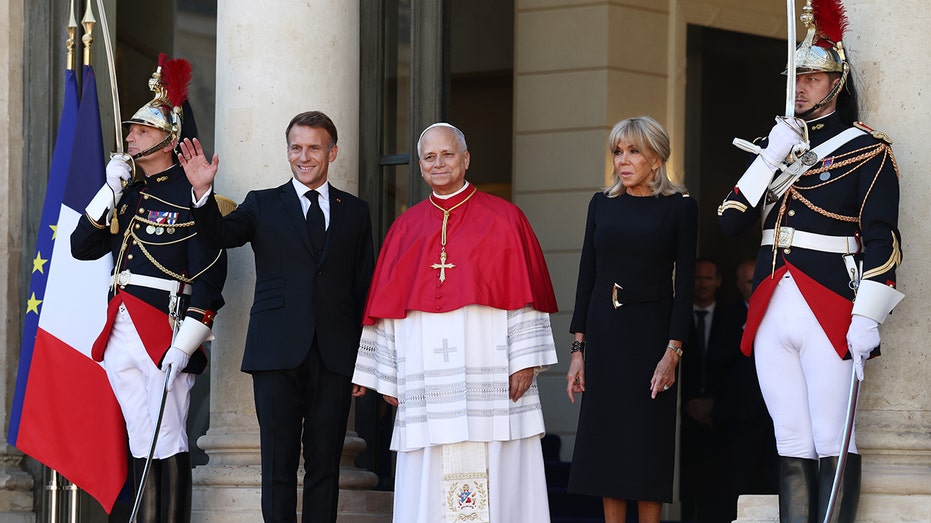
Pope Leo XIV has commenced a four-day visit to France, his first formal papal visit to the country since 2008. The visit arrives at a significant moment for French Catholicism, as the nation has experienced a notable increase in adult baptisms this year, with over 21,000 people joining the Church, particularly amongst young adults aged 18 to 25. The trip is themed "That the world may have life" and comes amidst substantial public interest, though it also follows France's recent legislation on abortion rights and end-of-life medical care, areas on which the Pope has taken strong positions.
The Pope is scheduled to deliver 15 speeches during his visit, addressing themes including artificial intelligence regulation, immigration, human dignity, and Church reform. A significant symbolic gesture involves Pope Leo meeting privately with seven victims of clergy abuse in Lourdes, an acknowledged attempt to address the Church's credibility damage following a 2021 report documenting abuse of approximately 330,000 French children over seven decades. Major scheduled events include a Mass at Paris's Place de la Concorde expected to draw up to 1 million people, a visit to the Sanctuary of Our Lady of Lourdes, a speech at UNESCO headquarters on AI and human meaning, and a prayer service at the newly-restored Notre-Dame Cathedral.
- Pope Leo XIV's first French visit since 2008 amid increased Church interest among young adults
- Visit includes meeting with abuse victims and addressing end-of-life care legislation disagreements
- Up to 1 million expected at Paris Mass; Pope to address AI, immigration, and dignity
New here? Start with this
The Pope is the spiritual head of the Roman Catholic Church, which has over a billion followers worldwide. France has seen a surge in adult baptisms this year, particularly among young people, suggesting renewed interest in the Church after decades of declining membership. The Pope's visit is his first formal trip to France since 2008, and it comes at a moment of shifting religious sentiment in the country.
The Roman Catholic Church in France faces a credibility crisis stemming from a 2021 investigation that documented the abuse of roughly 330,000 children by clergy members over seven decades. One of the Pope's planned meetings during this visit is with seven survivors of abuse, a gesture understood as an attempt to address the damage to the Church's reputation from these findings. This remains a deeply sensitive issue that shapes public perception of the institution.
France has recently passed legislation on abortion rights and end-of-life medical care, areas where the Pope holds pronounced views. The Pope's visit, with its emphasis on human dignity and Church reform, occurs against this backdrop of legislative developments that conflict with traditional Catholic teaching on these matters.
Both sides, in good faith
The strongest fair case each way — we don't pick a winner.
The case for
The papal visit represents a significant moment for French Catholicism, with rising adult baptisms among young people suggesting genuine spiritual renewal. Pope Leo's planned addresses on artificial intelligence, immigration, and human dignity demonstrate the Church's engagement with contemporary moral challenges facing society. The Pope's private meetings with abuse survivors represent a concrete commitment to accountability, whilst the Mass at Place de la Concorde and restoration of Notre-Dame symbolise the Church's role in French cultural and spiritual life. This visit offers an opportunity for constructive dialogue on meaning and ethics in an increasingly secular society.
The case against
Whilst acknowledging the Church's past failures, a papal visit of this scale risks restoring institutional prestige without sufficient substantive reform. The documented abuse of approximately 330,000 French children over seven decades represents systemic institutional failure; meeting privately with seven survivors, though symbolic, cannot credibly address such magnitude of harm or demonstrate that fundamental change has occurred. Moreover, the Pope's positions on abortion and end-of-life care reflect attempts to shape secular democracies' laws through moral authority that many believe the Church has forfeited through its failures. The public spectacle may serve the Church's institutional interests in restoring its image without the deeper reckoning necessary for genuine accountability.
More coverage