Data centers could be the sleeper issue of the 2026 midterm elections
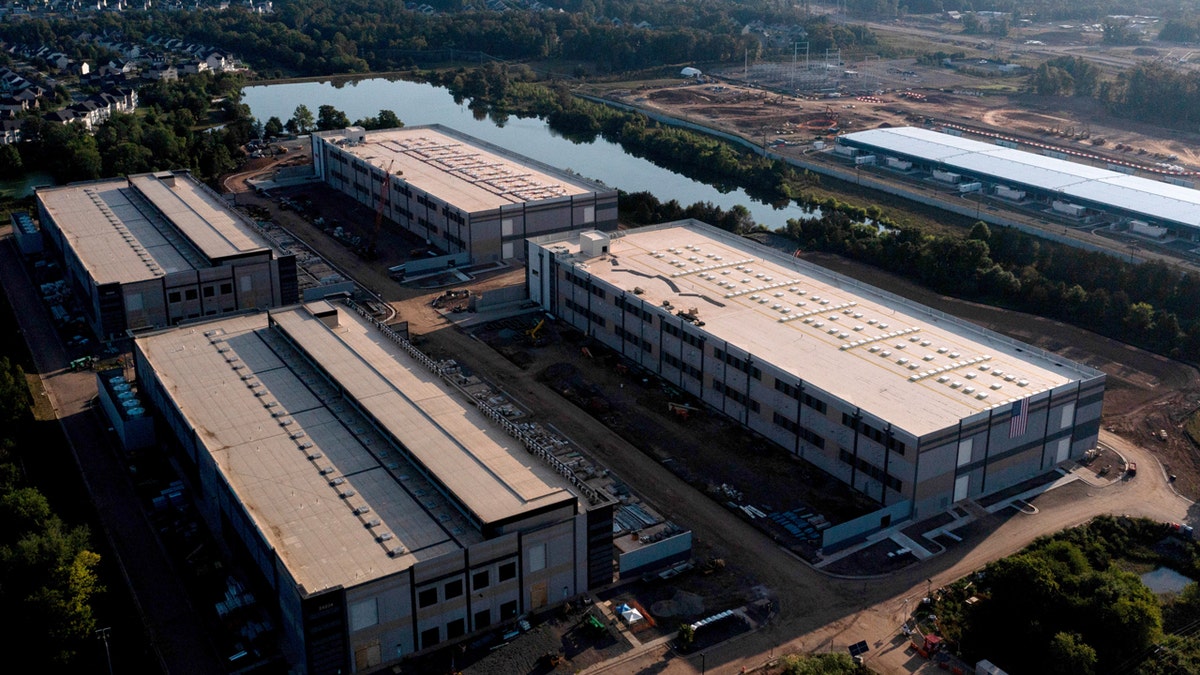
Data centers have emerged as an unexpected flashpoint in the 2026 midterm elections, with voters increasingly angry about the electricity costs, water consumption, and physical sprawl associated with artificial intelligence infrastructure. A Gallup survey found that 70 per cent of Americans oppose the construction of new AI data centres in their communities, prompting politicians to respond with calls for moratoriums, demands for self-generating power, and scrutiny of tax incentives. The article argues this concern, whilst legitimate, risks repeating historical mistakes: allowing the physical infrastructure essential to AI development to relocate overseas rather than being built domestically, potentially ceding competitive advantage to countries like China.
The stakes extend beyond environmental and community concerns to economic and national security implications. Data centre construction provides substantial employment for skilled trades—accounting for 40 per cent of work hours in Columbus's building trades and 50 per cent for electrical workers in the Washington metropolitan area—making opposition to these projects politically problematic for Democrats traditionally aligned with organised labour. The International Energy Agency projects substantial increases in data-centre electricity consumption in both China and the United States through 2030, suggesting that America's failure to build domestic capacity would not eliminate demand but would instead transfer investment, jobs, technical expertise, and strategic advantage to international competitors.
- 70% of Americans oppose new AI data centres, making them a 2026 election issue
- Data centres provide significant skilled-trade employment (40-50% of some unions' work hours)
- Restricting domestic data centre construction risks ceding AI infrastructure advantage to China