ChromeOS updates and security patches pledged until mid-2034
Developing story first seen 1 hour ago
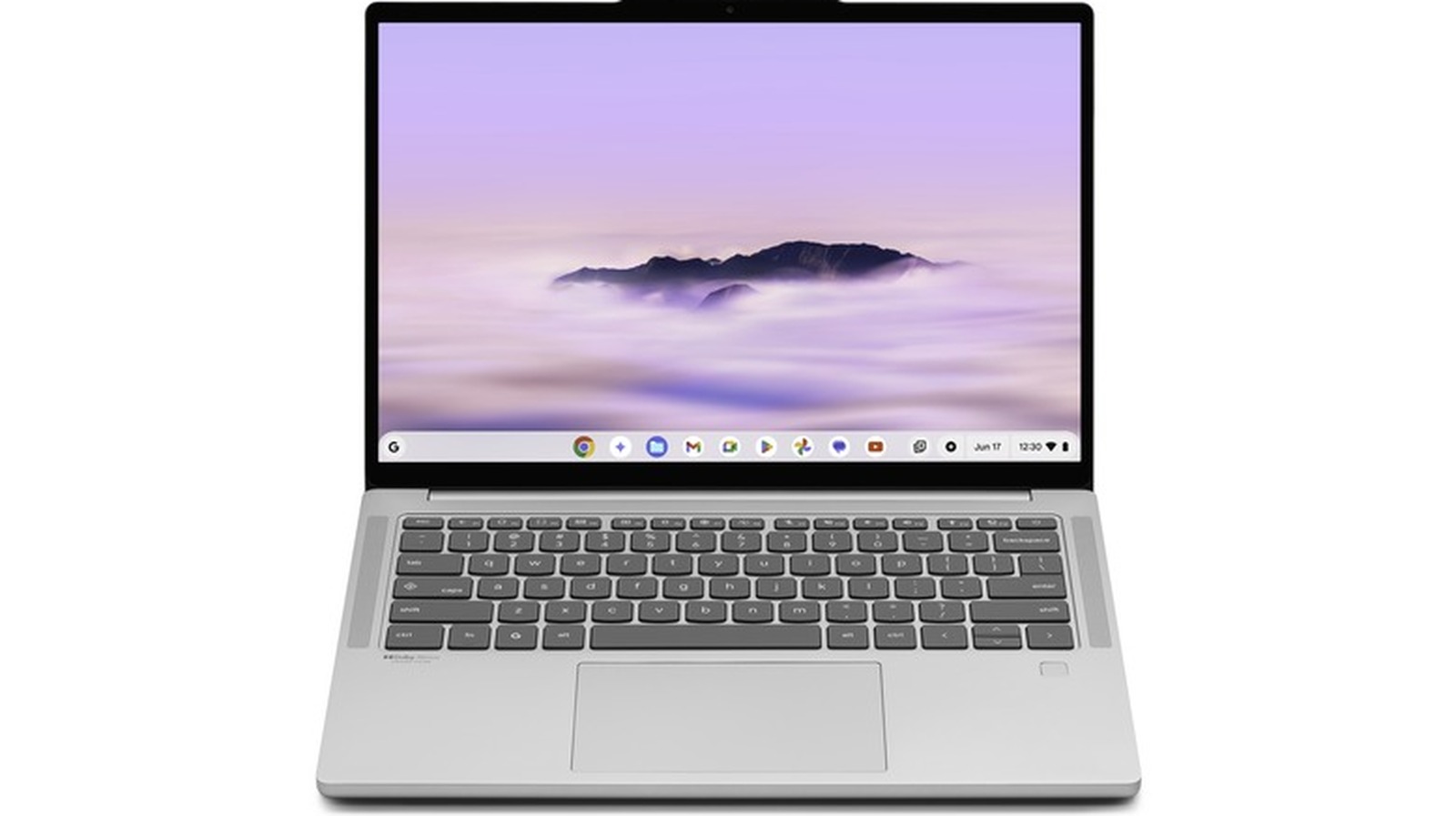
Google has confirmed that ChromeOS will continue to receive updates and security patches until mid-2034, addressing concerns about device longevity as the company transitions to its new Android-based Googlebook OS. The company has clarified that its 10-year support commitment for recently purchased Chromebooks aligns with the shift to the new platform, pledging to support device transitions for any models whose lifecycle extends beyond 2034. This reassures consumers that switching operating systems will not render existing devices obsolete.
The first Googlebooks will launch on 4 October, with many recent Chromebook models eligible for direct migration to the new OS. Enterprise and education users will gain device management features for Googlebook OS in the second half of 2027. Google has committed to providing "transition support" for qualifying devices, ensuring customers can upgrade their hardware to the new platform without losing functionality or support coverage.
- ChromeOS supported until mid-2034; recent Chromebook devices can migrate to new Googlebook OS
- 10-year support commitment honoured; qualifying devices receive transition assistance beyond 2034
- Googlebooks launch 4 October; enterprise features rolling out H2 2027
New here? Start with this
ChromeOS is the operating system used by Chromebooks, laptops made by Google and other manufacturers. Like other computers, Chromebooks need software updates to add features and fix security weaknesses; how long these updates continue can affect how useful a device remains.
Google is introducing Googlebook OS, an Android-based system intended for a new line of computers called Googlebooks. Some recent Chromebooks are expected to be eligible to move to the new system, while schools and businesses often rely on separate tools to manage devices used by many people.
Google sets the software support policy, while Chromebook makers produce the devices and organisations or individuals choose when to replace them. The length of support matters because it can shape purchasing costs and help users plan for security, compatibility and the working life of their computers.
Both sides, in good faith
The strongest fair case each way — we don't pick a winner.
The case for
This announcement represents a genuinely responsible commitment from Google to existing customers. By pledging support through mid-2034, Google provides a comfortable window for users to plan hardware refreshes, and explicitly committing to transition support for Googlebook OS ensures that devices will not simply be abandoned. For consumers concerned about planned obsolescence and longevity, this is meaningful reassurance that their Chromebooks retain value and functionality for a decade to come.
The case against
Whilst the 2034 timeline appears generous, it ultimately means users will eventually be forced to migrate to Googlebook OS or replace their hardware, with no guarantee the new platform will function as reliably or maintain existing workflows and integrations. The details of 'transition support' remain vague, and this announcement may be primarily a device-sales strategy rather than a customer-friendly commitment. Users who prefer ChromeOS's simplicity or rely on specific features may reasonably feel abandoned by Google's pivot to Android, regardless of when support formally ends.
Full account
Google is preparing to transition its laptop ecosystem away from ChromeOS towards a new operating system called Googlebook OS. The technology company has unveiled its intentions to introduce Googlebook OS, an Android-based platform, with the first commercial devices arriving on 4 October 2026. This represents a significant strategic shift for Google's computing hardware division, as the organisation moves towards more capable, feature-rich laptops whilst maintaining support for its existing Chromebook user base.
The company has formally committed to continuing ChromeOS support and security updates through mid-2034, as documented in official support materials for enterprise and education users. This timeline remains consistent with earlier disclosures made in court filings. Meanwhile, Googlebooks themselves will receive the standard 10-year support period that Google guarantees for its Chrome devices, meaning devices purchased today would theoretically receive assistance until 2036 or beyond, depending on purchase dates.
Google intends to leverage device migration pathways to facilitate the transition from ChromeOS to Googlebook OS where technically feasible. The company's support guidance indicates that many recent Chromebook models will be eligible for direct migration to the new system, though Google has not yet specified which devices qualify or detailed the exact mechanics of such transitions. For qualifying devices purchased recently, Google has committed to supporting users through their migration to Googlebook OS rather than abandoning them once the 2034 cutoff arrives.
Management tools and administrative capabilities for Googlebook OS targeting enterprise and education customers are slated to roll out during the latter half of 2027, meaning organisations will have a considerable period during which Chromebook management infrastructure remains the only option. This extended timeline reflects the nascent state of Googlebook OS administration features and suggests that many schools and businesses will continue operating Chromebooks for several more years before migration becomes practical.
The transition strategy carries potential complications for educational institutions and cost-conscious enterprise customers who have grown accustomed to procuring capable computing devices at minimal expense. Googlebooks are positioned as a premium product tier, with initial models starting at approximately £700, positioning them as substantially more expensive than typical Chromebook offerings. Should Google's intentions to sunset ChromeOS become widely understood, organisations might experience disruption as they contemplate investments in a platform previously viewed as commoditised computing.
Google's public communications have remained cautious on the question of ChromeOS's long-term future, with company representatives continuing to affirm that Chromebooks will remain available. However, the official support documentation appears to signal that ChromeOS is a transitional platform rather than a permanent fixture in Google's product roadmap, with the 2034 date functioning as a sunset deadline beyond which organisations will require alternative solutions.
Where outlets differ
Engadget emphasises the technical capabilities and features of Googlebook OS, including AI enhancements, whilst 9to5Google focuses more critically on Google's reluctance to openly acknowledge that Googlebook OS is Android-based
Engadget frames the transition as a natural evolution with supportive commitments, whilst 9to5Google raises concerns about potential business disruption and the platform's deliberate sunset strategy
9to5Google explicitly references the Windows XP legacy support situation as a cautionary precedent for excessive support extension, which Engadget does not mention
Engadget provides specific management feature rollout timelines (second half of 2027), whilst 9to5Google more vaguely characterises management tools as unavailable 'for a year or more'
9to5Google emphasises the significant pricing disparity between Chromebooks and Googlebooks (starting at $899), which Engadget does not discuss
9to5Google notes that the 2034 timeline previously appeared in court filings, contextualising this as formal disclosure rather than new decision, whilst Engadget does not explain the timeline's origin
Engadget adopts a more official, company-aligned narrative tone, whilst 9to5Google adopts a more investigative approach questioning the implications for existing educational and budget-conscious customers
More coverage
Read the full article at the source →
Originally published by Engadget as “Google will support ChromeOS until 2034 as it shifts to Googlebook OS”.