Cat7 vs. Cat6 Ethernet cable: Which is better for your home network?
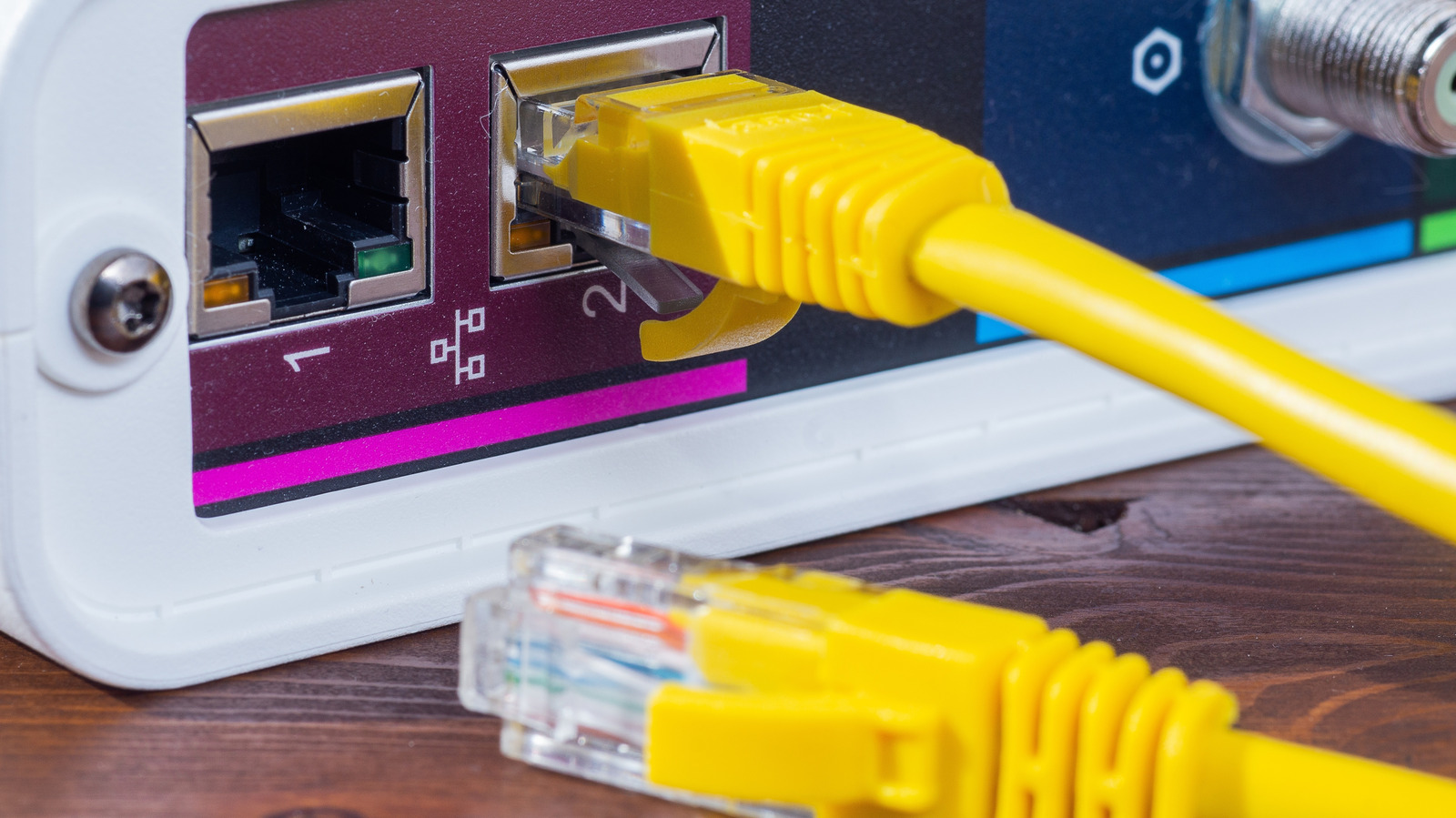
Cat7 appears to be an obvious upgrade from Cat6 due to its higher frequency rating and additional shielding, but it rarely offers practical benefits for most home networks. Cat6 remains the sensible choice for residential installations, capable of delivering Gigabit Ethernet over 100 metres and supporting 10Gbps over shorter distances.
Cat6 operates at 250 MHz, whilst Cat7 increases this to 600 MHz with additional foil shielding around twisted pairs. However, Cat7 was never recognized by the US Telecommunications Industry Association and requires specialized GG45 or TERA connectors rather than standard RJ45 ports. For most homes, the speed limitation comes from hardware endpoints rather than the cable itself, and Cat7's enhanced shielding is only beneficial in electrically noisy environments. Cat6A presents a cleaner upgrade path for those planning 10Gbps installations, supporting full-distance 10Gbps performance over 100 metres.
- Cat7 is unnecessarily complex for typical home networks; Cat6 remains the practical choice.
- Cat7 requires specialized connectors and full channel installation to work properly.
- Cat6A is the better upgrade for future-proofing 10Gbps needs.