A cuddly secret weapon: Americans to go ga-ga for Ping Ping the panda – as China ruthlessly exploits our obsession for its own ends
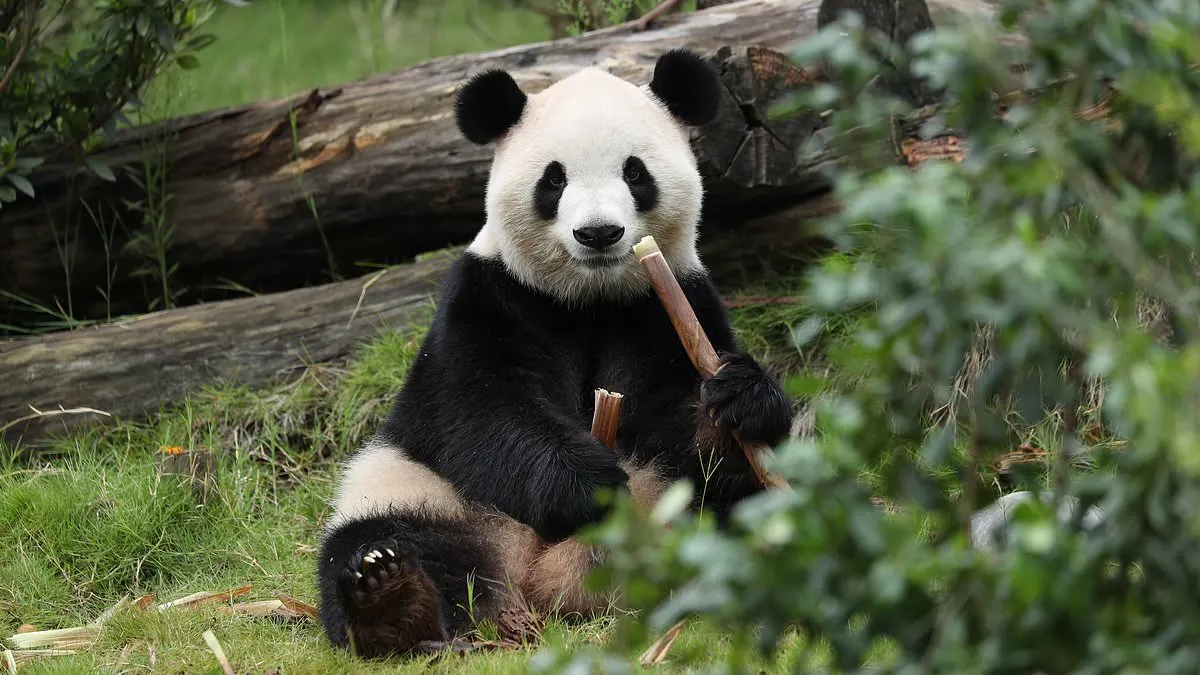
Ping Ping and Fu Shuang, two giant pandas from China, have arrived at Atlanta Zoo on a diplomatic loan following Chinese President Xi Jinping’s meeting with US President Donald Trump. Their arrival is being presented as a sign of warmer relations, after China recalled the last pandas at the same zoo in 2024 when ties were strained.
The article traces panda diplomacy to 1972, when China gave pandas Ling-Ling and Hsing-Hsing to the United States after First Lady Pat Nixon admired them. It says China later shifted from gifting pandas to leasing them, with zoos paying up to $1 million a year; any cubs born remain Chinese property, and zoos may face fines of up to $500,000 if a panda dies and they are held responsible. The article also recounts how pandas first became known to Western scientists in the 19th century, when a missionary sent a dead specimen to Paris.
- Two Chinese pandas have arrived at Atlanta Zoo on loan.
- Their arrival is framed as a sign of improved US-China relations.
- Panda loans can cost zoos up to $1 million a year.
New here? Start with this
Giant pandas have long served as symbols of diplomatic relations between China and other countries. Beginning in 1972, China used the animals as gifts to signal goodwill, most famously sending two pandas to the United States after the wife of President Richard Nixon expressed admiration for them. This practice, known as "panda diplomacy," established the animals as cultural ambassadors between nations.
China's approach to panda loans has changed significantly over time. Rather than giving pandas away, China now leases them to foreign zoos for substantial annual fees, sometimes reaching $1 million. Under these arrangements, any cubs born in captivity remain Chinese property, and zoos may face fines of up to $500,000 if a panda dies whilst in their care.
This arrangement serves multiple interests simultaneously. The fees provide China with direct financial revenue, whilst the presence of pandas generates tourist interest and supports conservation efforts. Because pandas are seen as symbols of friendship, their presence in particular countries can reflect the state of diplomatic relations between China and those nations.