Australia tightens visa rules to curb long-term temporary migration
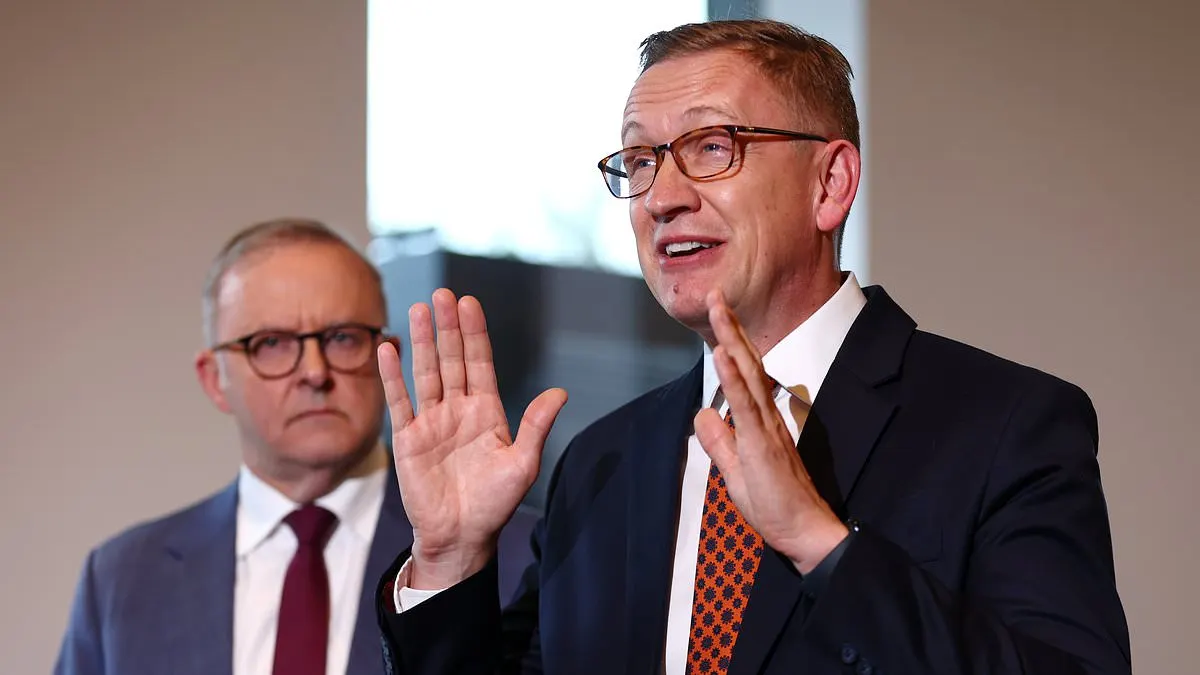
Australia's government is introducing new restrictions on temporary migrants and international students to crack down on "visa hopping", the practice of switching between visas to remain in the country long-term. The measures, which come into force from Friday, are part of a broader effort to reduce net overseas migration and prevent what the government calls "permanently temporary migrants" who spend years on successive temporary visas rather than pursuing permanent settlement.
International students switching universities must now pay around $1,200 and wait 12 months before changing courses, down from six months previously. Many will face restrictions on bringing partners or children, though some groups including PhD students and ASEAN or Pacific nations citizens are exempt. Nearly 688,000 international students studied in Australia in the year to June, and student visa rejection rates have soared to 35 per cent from 23 per cent the previous year. The changes aim to reduce net overseas migration from nearly 300,000 annually to 225,000 by 2028.
- Australia cracks down on visa hopping with new restrictions on international students and migrants.
- Students switching courses must pay $1,200 and wait longer; restrictions on bringing families.
- Government aims to reduce net migration from 300,000 to 225,000 by 2028.
New here? Start with this
Australia has seen a surge in temporary migration, with many people spending years moving between different visa categories rather than settling permanently. This practice, known as "visa hopping", allows people to remain in the country long-term without permanent residency, and the government is now seeking to restrict it.
International students form a significant portion of temporary migrants, with nearly 688,000 studying in Australia. The new rules make it harder for them to switch courses or institutions, requiring additional fees and longer waiting periods, though some groups including PhD students and citizens from several Asia-Pacific countries are exempt.
The Australian government aims to reduce annual migration inflow from around 300,000 to 225,000 by 2028. Officials believe the current system encourages years of visa-hopping rather than permanent settlement, and the changes reflect wider concerns about managing population growth and pressure on housing and services.
Business Government Markets Politics World
Read the full article at the source →
Originally published by Daily Mail as “Albanese government’s tough new rules to crack down on ‘visa hopping’ migrants”.