Braverman challenged over saying she is British but not English
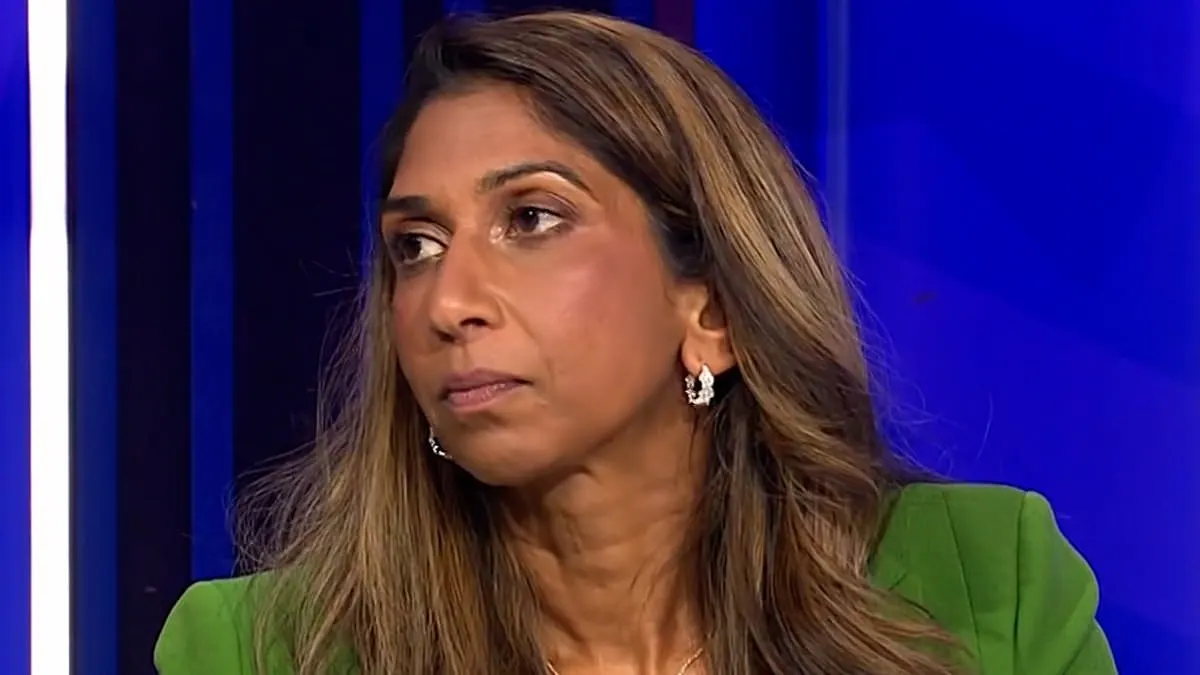
On BBC Question Time, Reform UK education spokesperson Suella Braverman said she considers herself British of Asian heritage but not English, despite being born in north London. An audience member challenged her, saying that people born in Britain are often told they are not English, and agreed that her distinction risked reinforcing a racist argument.
Braverman said she did not want to deny her Asian heritage and argued that identifying as English is different from being born in England or supporting its football team. She pointed to her parents’ births in Kenya and Mauritius and her family’s ancestry, while presenter Fiona Bruce asked how far back ancestry should determine English identity. The discussion took place as Braverman promotes a book tracing her family history; the article also refers to Rishi Sunak’s recent comments about being described as British but not English.
- Braverman said she is British Asian but not English.
- An audience member challenged the distinction as potentially reinforcing racism.
- The exchange centred on ancestry, birthplace and English identity.
New here? Start with this
Suella Braverman, a prominent Reform UK politician, recently stated on television that she considers herself British but not English, despite being born in London. Her reason is that her parents were born in Kenya and Mauritius, and she says her Asian heritage is an important part of her identity. This prompted discussion about how people understand the difference between being English and being British.
An audience member challenged Braverman's position, raising a concern that the distinction between English and British identity could reinforce the idea that some people born in Britain are not truly English. The conversation touched on deeper questions about what makes someone English: is it where you are born, where your parents are from, or how you identify? Presenter Fiona Bruce questioned how far back ancestry should matter in determining national identity.
This discussion reflects wider debates about belonging and identity in modern Britain. The distinction between English and British identity has been significant in conversations about who feels included or excluded within the country, and Braverman's remarks echo similar points recently made by former Prime Minister Rishi Sunak about his own sense of British identity.
Read the full article at the source →
Originally published by Daily Mail as “Moment black member of Question Time audience tells Suella Braverman she is ‘being racist against herself’ because she says she is not English”.