Labour unrest over John Healey’s failure to brace Brits for tax hikes ahead of nightmare pre-Halloween Budget
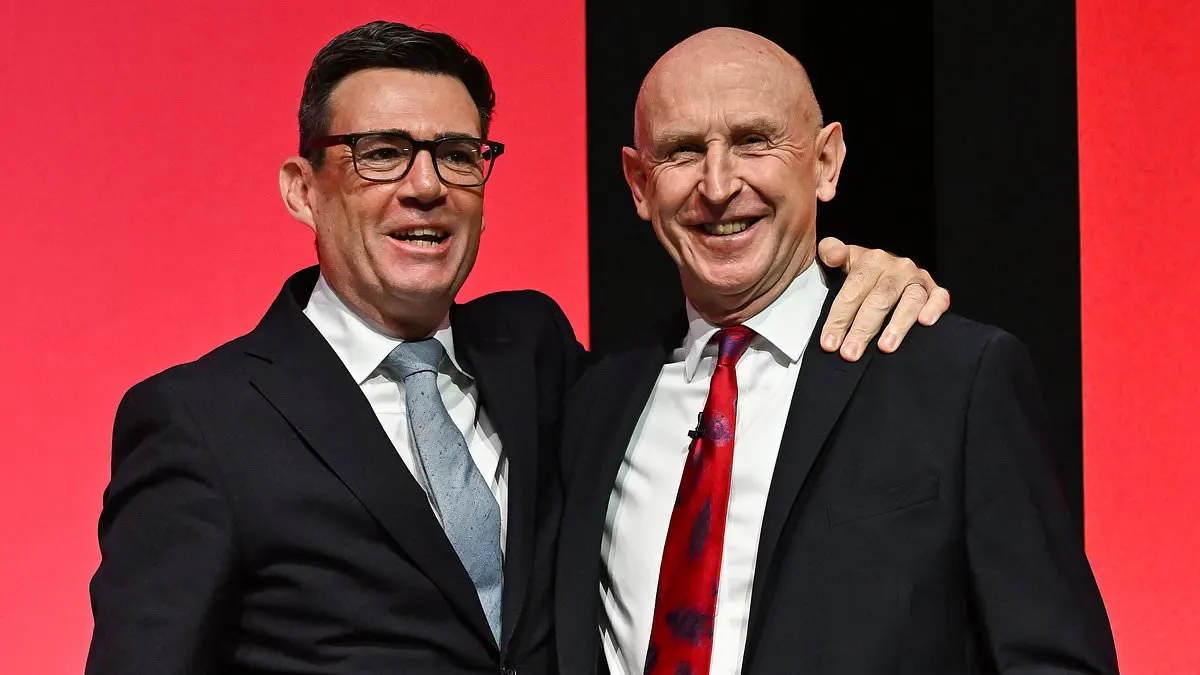
John Healey is facing Labour criticism for giving little indication of tax and spending plans before the Budget on 28 October. The uncertainty matters because the Government may have to make difficult choices to meet its fiscal rules while funding new commitments and responding to rising costs.
The £24 billion fiscal headroom Rachel Reeves built up through tax rises is thought to have fallen by at least half as borrowing costs have increased. Healey must also consider Andy Burnham’s spending pledges, an estimated £5 billion defence funding gap and possible help with fuel costs. He has called banking bosses to a meeting as unions and Labour MPs press for higher taxes on the industry; former minister Lord O’Neill has instead urged him to avoid further tax rises and allow the headroom to shrink.
- Labour MPs want clearer signals before the 28 October Budget.
- Rising borrowing costs may have halved the £24 billion fiscal headroom.
- Lord O’Neill advises against further tax rises.
New here? Start with this
The UK Government plans to announce its Budget on 28 October, when ministers set out their plans for taxes and spending across government departments. Public finances present a significant challenge: the Government has less spare money available than originally planned because borrowing costs have risen. At the same time, there are various demands for additional spending on defence and other areas, which may require difficult decisions about taxes or expenditure.
John Healey, the Defence Secretary, is facing criticism from some Labour MPs and unions for not giving advance indication of what difficult changes might come in the Budget. Critics argue that the public should be better prepared for announcements about taxes and spending. There is disagreement within Labour about how to respond: some want higher taxes on banks to fund spending commitments, whilst others argue that further tax rises could damage the economy and suggest the Government should accept having less money available than expected.