Colorado’s scenic Million Dollar Highway poses risks for drivers and rescuers
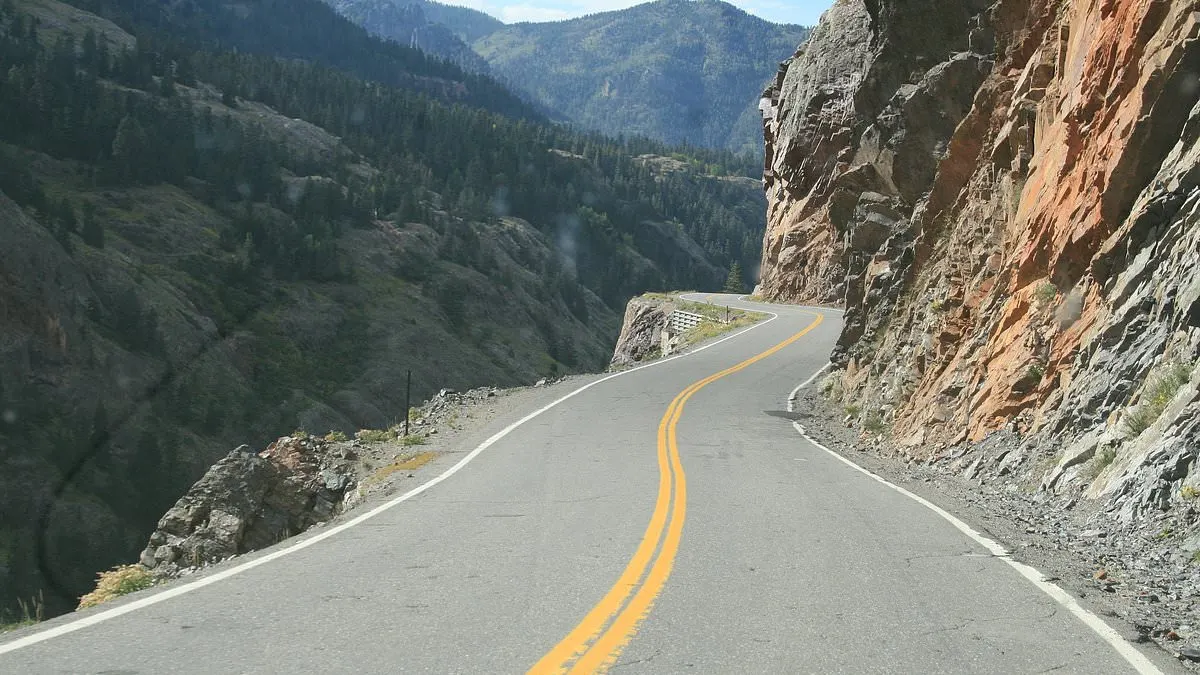
Colorado’s Million Dollar Highway combines dramatic mountain scenery with steep drops, narrow lanes and frequent avalanche exposure, making it hazardous for drivers and difficult for rescuers. Its appeal to tourists has led Ouray County’s coroner to describe it as an “attractive nuisance”, while locals treat the route with caution.
A rescue team saved 11-year-old Rachelle after a car carrying her great-grandmother and its driver plunged more than 300 feet into the Uncompahgre River; rescuers used a complex rope system to lift her to the road in an operation lasting about three hours. The highway rises more than 2,000 feet in six miles, is as narrow as 23 feet in places and crosses more than 60 named avalanche paths. Rescuers have recovered more than 100 bodies, and guardrails are absent on exposed stretches partly because they would obstruct avalanche debris removal.
- A child survived a plunge into the river after a complex rope rescue.
- The highway has steep drops, narrow lanes and over 60 avalanche paths.
- The route’s spectacular scenery draws visitors despite its dangers.
New here? Start with this
The Million Dollar Highway is a scenic mountain road in Colorado that passes through the San Juan Mountains. It connects two communities while offering dramatic views, which has made it popular with tourists and drivers seeking mountain scenery.
The road's name comes from either the gold deposits in the surrounding rocks or the substantial cost of construction itself. What makes the route particularly demanding is its extreme geography: it climbs more than 2,000 feet in just six miles, with lanes as narrow as 23 feet in places, and it crosses more than 60 avalanche paths. Guardrails are absent from some of the most exposed sections, partly because they would obstruct the removal of avalanche debris.
The combination of steep drops, narrow lanes and natural hazards has resulted in numerous accidents over the years, with rescuers having recovered more than 100 bodies from the area. When crashes do occur, the remote location and challenging terrain make rescue operations exceptionally difficult and time-consuming.
Both sides, in good faith
The strongest fair case each way — we don't pick a winner.
The case for
The Million Dollar Highway represents centuries of cultural heritage and economic vitality for surrounding communities that depend on tourism. Millions of visitors navigate it safely each year, and adult drivers are capable of making informed decisions about acceptable risk. Rather than closure, focused improvements—better signage, maintained guardrails where feasible, and enhanced rescue infrastructure—can substantially reduce danger whilst preserving this cherished route and the livelihoods it supports.
The case against
The documented toll of over 100 deaths represents fatality levels that would be unacceptable under modern safety standards, and the highway's combination of narrow lanes, unguarded drops, and avalanche exposure creates conditions beyond ordinary driver control. The route's appeal as an attractive destination draws inexperienced drivers whilst rescue operations place emergency personnel in extraordinary danger. Rather than accepting preventable deaths as the cost of heritage, alternatives such as safer routes, speed restrictions, permit systems, or seasonal closures would protect both public and rescuers without necessarily abandoning the highway entirely.
Read the full article at the source →
Originally published by Daily Mail as “Million Dollar Highway death trap: ‘America’s scariest road’ causes horrific crashes and forces daring rescues… but no-one wants to fix the ‘attractive nuisance’”.