The rapist priest who abused his ‘cult-like’ congregation
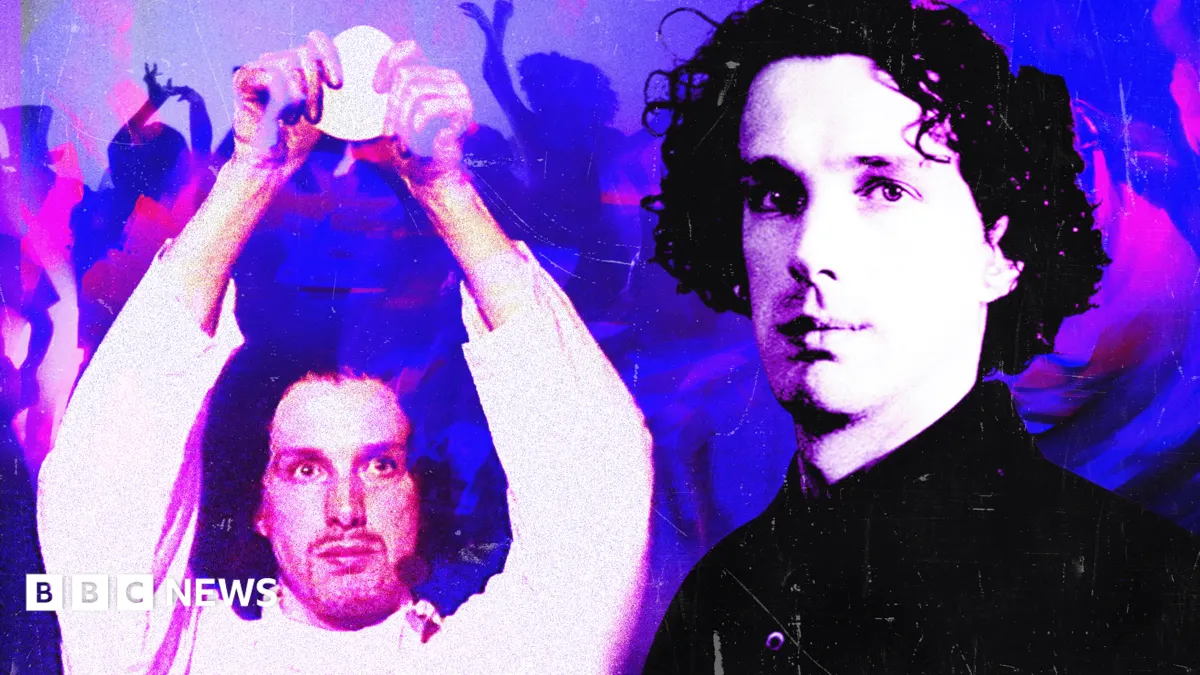
Chris Brain, the charismatic leader of the Nine O'Clock Service in Sheffield during the 1980s and 1990s, has been found guilty of rape and multiple indecent assaults against members of his congregation. A jury at Inner London Crown Court convicted the 69-year-old on Friday of raping one woman and four counts of indecent assault against three others, following a retrial on charges he had already partially faced in August 2025. The conviction marks a significant conclusion to a protracted legal process against a priest who once held considerable influence over hundreds of young worshippers.
Brain systematically exploited his spiritual authority, manipulating young women in his congregation who worked unpaid as his "homebase team" whilst being instructed to "do anything" he asked. Court evidence revealed he would summon congregation members to his attic bedroom for sensual massages, often stripping to his underwear and expecting sexual contact; women feared refusal would result in ostracism or spiritual damnation. The Nine O'Clock Service, initially celebrated as an innovative fusion of rave culture, music and activism that attracted hundreds of young people weekly, became a vehicle for abuse hidden beneath its countercultural image.
- Priest Chris Brain convicted of rape and indecent assault against congregation members.
- He exploited spiritual authority and manipulated young unpaid workers into sexual contact.
- Service had once attracted hundreds with rave music and religious worship fusion.
New here? Start with this
Chris Brain was a charismatic priest who led the Nine O'Clock Service in Sheffield during the 1980s and 1990s. The service became known as an innovative blend of contemporary music, rave culture and social activism that attracted hundreds of young people looking for something different from traditional church.
Behind the progressive image, Brain used his position as a religious leader to abuse congregation members, particularly young women who worked unpaid as part of his inner circle. He pressured these women to engage in sexual activity, using his influence over them and threatening them with being cast out of the group or with spiritual damnation if they refused.
The case reveals how a trusted religious leader can use his influence and a seemingly open-minded community to hide abuse. What appeared to outsiders as an exciting, alternative church became a closed environment where his power went largely unchecked. The lengthy legal process that has followed reflects the difficulties victims often face in coming forward against charismatic leaders with devoted followers.