Steam Horror Game Turns PS1-Era Graphics Into Backrooms-Style Nightmare Fuel
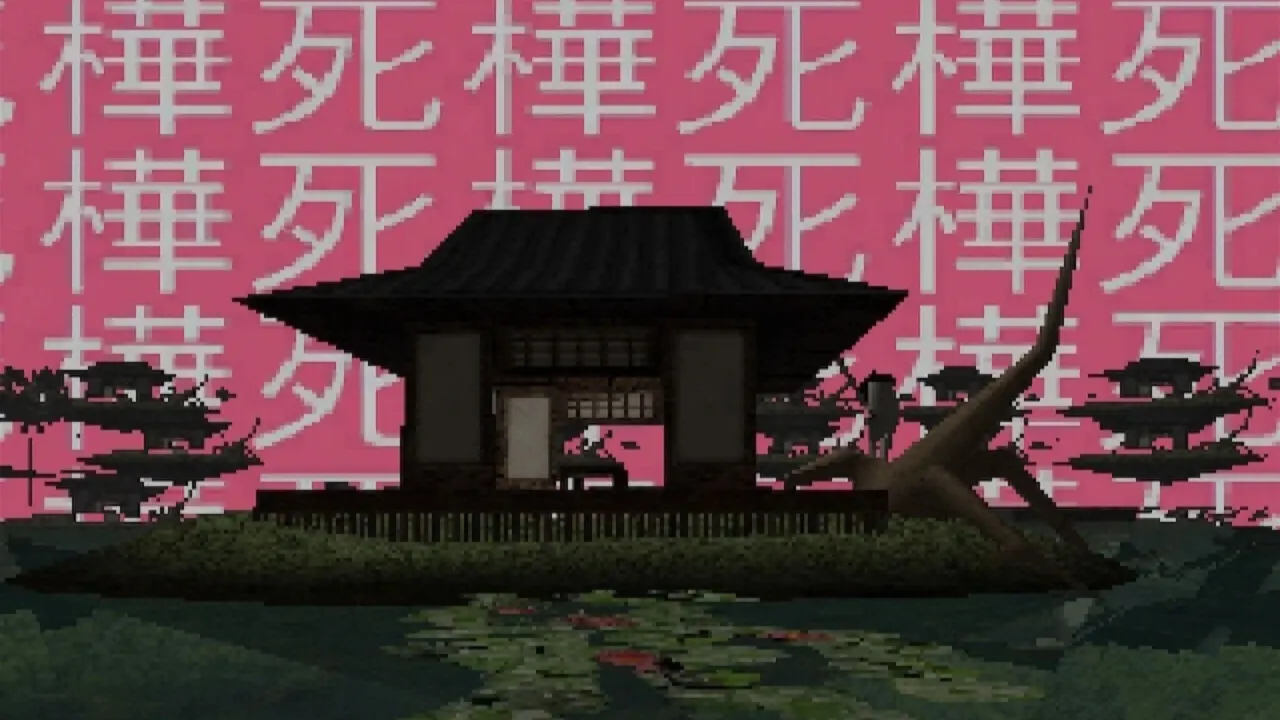
Fatum Betula, a solo-developed horror game released on Steam in 2020, weaponises PS1-era graphics and liminal space aesthetics to create a profoundly unsettling experience. The game has gained renewed attention as a masterclass in how outdated graphical constraints and empty digital spaces can evoke deeper psychological dread than photorealistic horror. This approach represents a missing link between the dreamscape exploration of 1998's LSD: Dream Emulator and the modern internet phenomenon of Backrooms horror.
Created solely by Bryce Bucher, the game tasks players with nourishing an ancient birch tree through a surreal world inhabited by uncanny figures. The gameplay involves making disturbing bargains and navigating low-poly landscapes filled with bizarre encounters, from offering poisoned fruit to creatures to harvesting blood from one's own doppelgänger. With ten distinct endings dictated by player choices, the narrative unfolds like a feverish dream. One section called Suburbia stands out particularly: a domestic living room inserted impossibly into the trippy world that transforms from comfortable familiarity into a disorienting liminal tomb.
- PS1-era horror game Fatum Betula exploits outdated graphics for maximum unease
- Players make moral choices affecting one of ten possible endings
- Bridges LSD: Dream Emulator and the Backrooms internet horror trend
New here? Start with this
Fatum Betula is a horror game released on Steam in 2020 that deliberately uses low-fidelity graphics resembling the PlayStation 1 era. Rather than relying on realistic visuals or explicit violence, it builds unease through sparse, empty digital spaces and disturbing encounters. Players' objective is to nurture an ancient birch tree whilst exploring a surreal world populated by uncanny figures.
Created entirely by solo developer Bryce Bucher, the game requires players to make morally troubling choices as they navigate low-polygon landscapes. These decisions include poisoning creatures or harvesting blood from a doppelgänger version of themselves, with ten different endings available depending on player choices. One particularly notable section recreates a familiar living room that progressively becomes disturbing and disorienting.
The game's approach connects earlier experimental art games to modern internet movements like the "Backrooms," where communities create unsettling images of ordinary spaces rendered eerie through subtle wrongness. By using simple graphics and familiar-but-eerie environments rather than explicit threats, the game represents an alternative approach to horror within contemporary video gaming.