Prince George crows suffer suspected opioid overdoses amid drug crisis
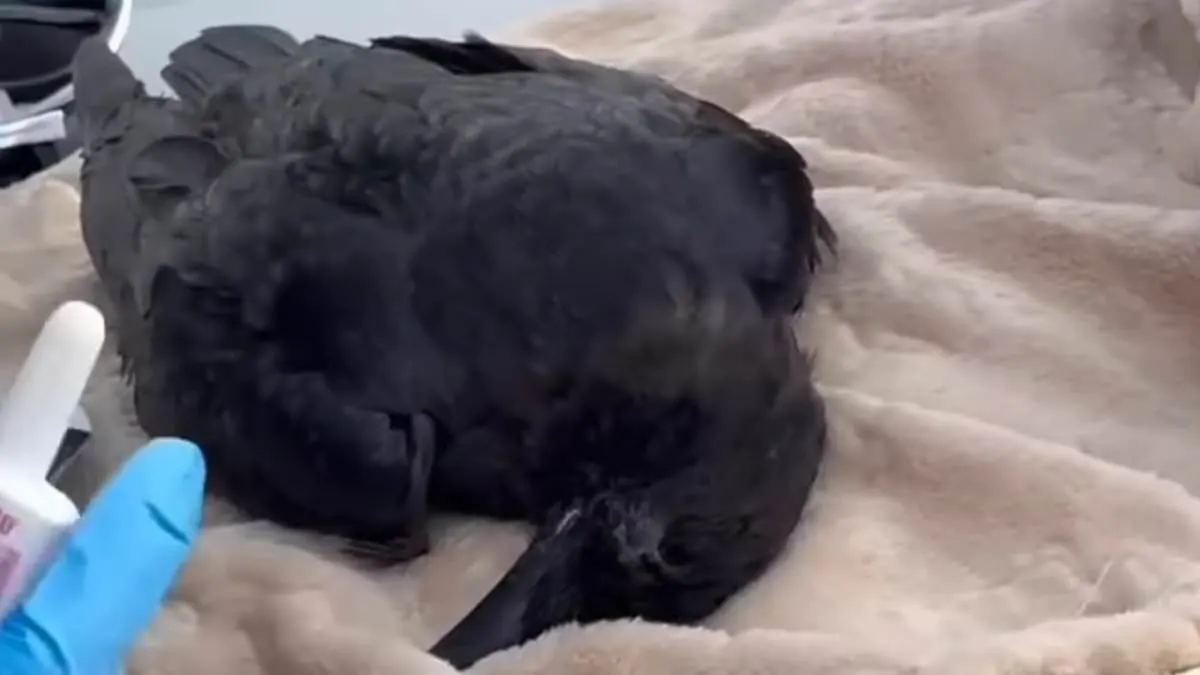
Crows in Prince George, British Columbia are overdosing on opioids left on contaminated streets, revealing the severity of the city's ongoing drug crisis. Animal rescue volunteers have treated more than a dozen suspected drug overdoses among crows this year and now carry naloxone, an overdose-reversing medication typically used for humans. The situation underscores the lasting consequences of the city's 2023 drug decriminalisation pilot programme.
British Columbia Premier David Eby introduced drug decriminalisation in January 2023 but admitted in October 2025 that it was a mistake, creating conditions for widespread open-air drug use. Overdose emergency calls in Prince George have at times tripled. Though the province declined to continue the pilot programme in early 2026, the impacts persist: affected crows display symptoms including outstretched wings, closed eyes and slow heartbeats, with most recovering within 24 hours after treatment. Volunteers explain that trace amounts, as small as a grain of sand, can harm birds exposed to contaminated surfaces.
- Crows are overdosing on opioids left on streets in Prince George, British Columbia.
- Animal rescue volunteers now carry naloxone to treat drug-affected birds.
- Province admits decriminalisation policy was mistake; pilot programme not renewed.
New here? Start with this
Prince George, a city in British Columbia, Canada, has been struggling with a severe drug crisis. This escalated significantly after the provincial government introduced a drug decriminalisation pilot programme in January 2023, which stopped treating possession of small amounts of certain drugs as a criminal matter. The policy was intended to help people avoid criminal records, but it led to unintended consequences, including widespread open-air drug use and a dramatic increase in overdose emergencies.
The province's Premier David Eby acknowledged in October 2025 that the policy had been a mistake, and the pilot was ended in early 2026. However, the effects linger: drugs remain visible on city streets and in the environment, where even microscopic amounts can be harmful. Animal rescue volunteers in Prince George have begun encountering crows that have been exposed to opioid residue on contaminated surfaces, causing overdose-like symptoms such as slowed heartbeats and loss of consciousness.
Prince George's crows illustrate how a public health crisis affects not only humans but entire communities. Wildlife exposed to trace amounts of opioids can suffer serious harm, though many recover within 24 hours when treated with naloxone, the same overdose-reversing medication used for people. The situation underscores the lasting environmental and ecological consequences of years of escalated drug use in the city.
Both sides, in good faith
The strongest fair case each way — we don't pick a winner.
The case for
The decriminalisation policy was sound in principle—reducing stigma to encourage treatment-seeking and avoiding incarceration for addiction—but failed due to inadequate implementation, specifically insufficient investment in treatment beds, housing, and services. Rather than reverting to criminalization, which evidence shows simply drives addiction underground, the lessons here point toward properly resourcing the policy alongside enforcement of public space protections.
The case against
The overwhelming evidence of policy failure is undeniable: emergency overdose calls tripled, open-air drug use became endemic to residential streets, and contamination now poisons even wildlife. The Premier's own admission of error, combined with the urgent public health crisis, demonstrates this approach was unworkable in practice. When a policy produces such severe unintended consequences, including environmental hazards that harm innocent parties, stricter enforcement combined with treatment capacity is necessary.
Read the full article at the source →
Originally published by Daily Mail as “Permissive Canadian city that legalized drugs is so awash with substances that crows are getting high on its streets”.