California restricts workplace AI from firing staff or monitoring bathroom breaks
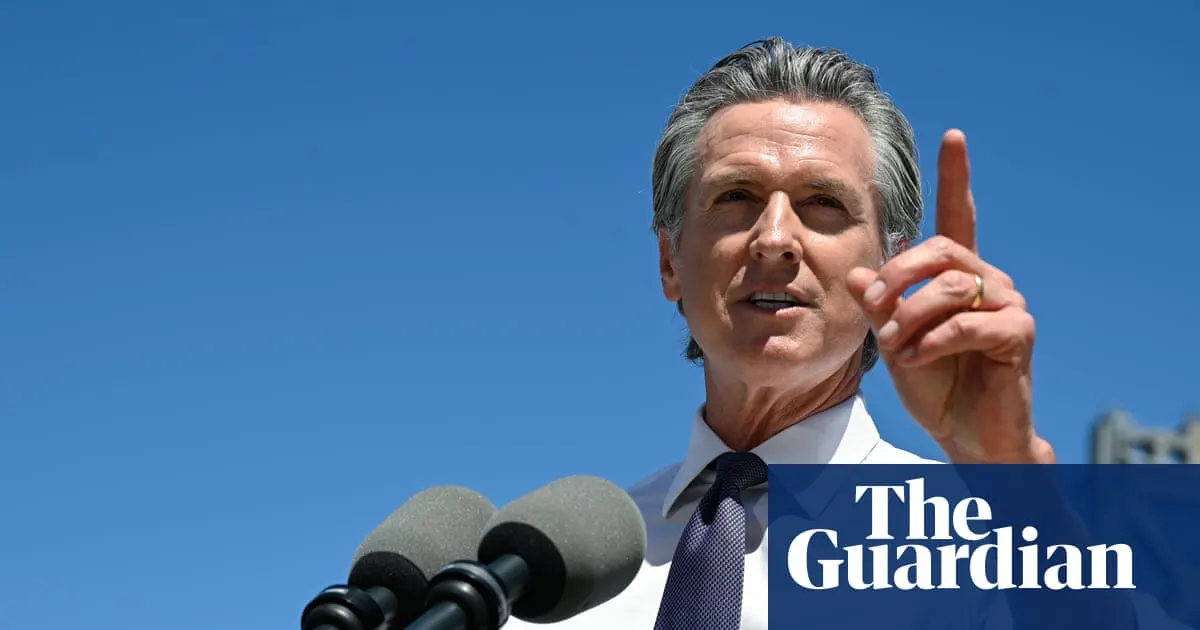
California has enacted a broad set of workplace rules on artificial intelligence, addressing concerns that the technology could cost people their jobs, discriminate against them or increase surveillance. The measures could influence protections in other US states as federal action remains limited.
Signed by Governor Gavin Newsom, the laws bar employers from using AI alone to decide whether to fire workers, infer employees’ emotional states or collect neural data, and prohibit AI surveillance in workplace bathrooms. Employers must tell workers when AI caused layoffs. The rules follow complaints about bathroom-break tracking and automated ratings of nurses’ voices, but only government agencies can enforce them; workers cannot sue under the laws.
- California has passed sweeping workplace AI protections.
- Employers must disclose AI-caused layoffs.
- Government agencies, not workers, enforce the laws.
New here? Start with this
California has passed new laws regulating how employers use artificial intelligence at work, responding to growing concerns that the technology could eliminate jobs, discriminate against workers or enable excessive surveillance. The measures could influence workplace protections in other US states as the federal government has not yet acted on this issue.
Under the rules signed by Governor Gavin Newsom, employers cannot use AI alone to decide whether to fire workers, cannot use AI to guess employees' emotional states or collect neural data, and are banned from using AI surveillance in workplace bathrooms. Companies must also tell workers when AI contributed to their layoffs.
The laws do have a significant limitation: only government agencies can enforce them, which means workers cannot sue their employers if the rules are broken. The rules were prompted by real workplace incidents, including cases of AI systems tracking bathroom breaks and automatically assessing nurses' work quality.
Both sides, in good faith
The strongest fair case each way — we don't pick a winner.
The case for
Proponents argue that AI systems can perpetuate discrimination, operate as black boxes beyond worker comprehension, and enable employers to make consequential employment decisions without meaningful human oversight or accountability. They contend that workers deserve transparency about how AI affects their jobs and protection from surveillance that intrudes on basic dignity, especially given documented harms like bathroom-break tracking and automated performance systems that may unfairly penalise protected groups. Without baseline protections, employers' competitive pressures create incentives to deploy AI systems that prioritise cost-cutting over fairness, leaving vulnerable workers without recourse.
The case against
Critics contend that California's restrictions could hamper business efficiency and innovation by limiting tools that genuinely improve operational decisions and reduce human bias if well-designed. They argue that existing legal frameworks—including discrimination laws, contract law, and reputational consequences—already incentivise responsible AI deployment without prescriptive rules that impose compliance burdens and risk pushing companies elsewhere. Moreover, these particular regulations may prove ineffective precisely because workers cannot sue directly; if the rules cannot be enforced robustly, they create regulatory theatre without real protection whilst still discouraging legitimate business use of beneficial technology.
AI Americas Art Business Culture Economy Technology World
Read the full article at the source →
Originally published by The Guardian as “California’s new laws target workers’ biggest fear of AI taking their jobs”.