SAS reportedly killed two suspects in Red Caps murders in Iraq
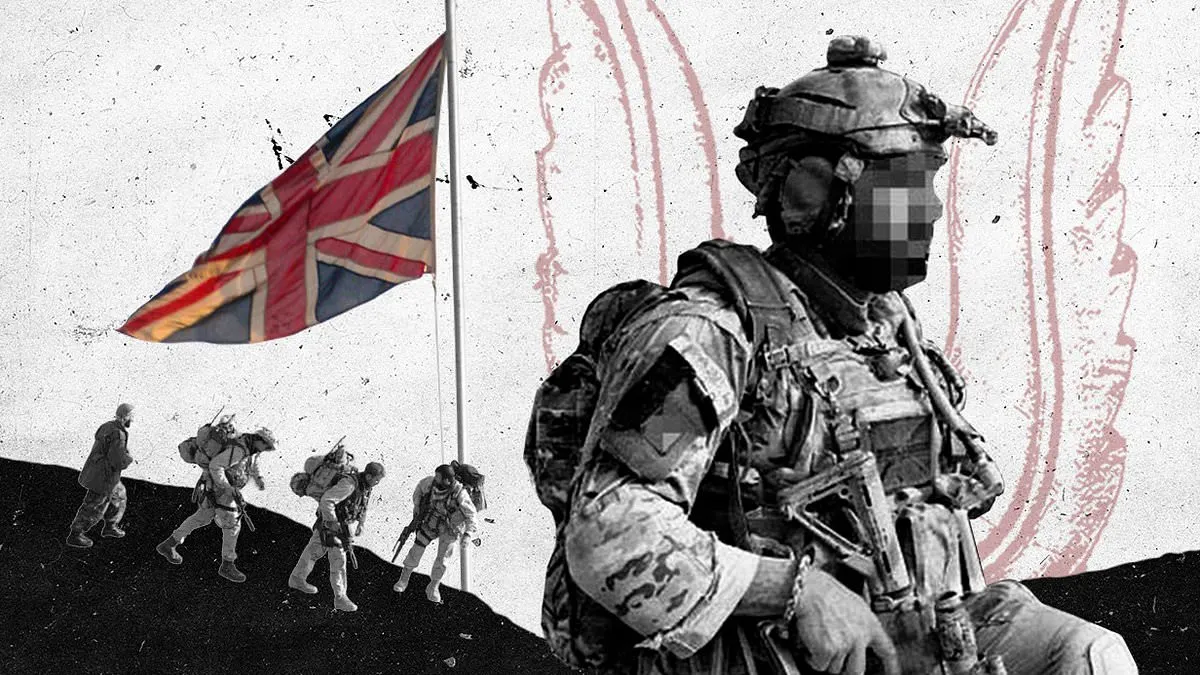
The article reports that the SAS tracked down and killed two members of an Iranian-backed gang believed to have murdered six British military policemen in southern Iraq in June 2003. The deaths of the soldiers, known as the Red Caps, were then the largest loss of UK life to enemy forces in the Iraq war; the reported killings renew questions about why more suspects were not pursued.
The account comes from SAS sources quoted in a forthcoming book, and details of the two men’s deaths have not been disclosed. The sources say UK commanders halted further operations over fears they could provoke opposition to British forces. Families have long challenged the 2006 inquest’s finding that the deaths could not have been avoided, and were angered when nine Iraqi police officers later received compensation after alleging torture.
- SAS sources say two gang members were killed.
- Commanders reportedly stopped efforts to pursue others.
- Families have sought answers about the 2003 killings.
New here? Start with this
The six military policemen known as the Red Caps were killed in June 2003, during the Iraq war, after they went to help colleagues in the southern city of Al-Majar al-Kabir. Their deaths were then the largest number of British service personnel killed by enemy forces in the conflict.
The British Army was operating in Iraq after the US-led invasion that toppled Saddam Hussein. In the south, British forces faced armed groups, including some with links to Iran; the identities and roles of those responsible for the Red Caps’ deaths have remained disputed.
An inquest in 2006 concluded that the killings could not have been prevented, while the soldiers’ families have continued to question whether enough was done to pursue suspects. The case also drew attention to allegations that Iraqi police officers were tortured in British custody, which the UK later compensated them for.
Both sides, in good faith
The strongest fair case each way — we don't pick a winner.
The case for
If the reported account is accurate, pursuing those believed responsible could be seen as a duty to the murdered soldiers and their families, and as a way to deter attacks on British forces. Advocates might argue that commanders should have continued operations where they had credible leads, while ensuring the evidence and methods were properly scrutinised.
The case against
Commanders may have judged that further raids risked provoking wider opposition and endangering British personnel and civilians, with uncertain prospects of securing justice. Given that the account rests on unnamed sources in a forthcoming book and the deaths’ circumstances are undisclosed, restraint and careful verification may be seen as more responsible than treating the claims as established fact.
Business Markets Middle East UK World
Read the full article at the source →
Originally published by Daily Mail as “SAS on secret revenge mission hunted down and killed two of Iran-backed gang who murdered British troops in Iraq”.