‘Futurama’ Series Finales Ranked: All 6 of Them, From Worst to Best
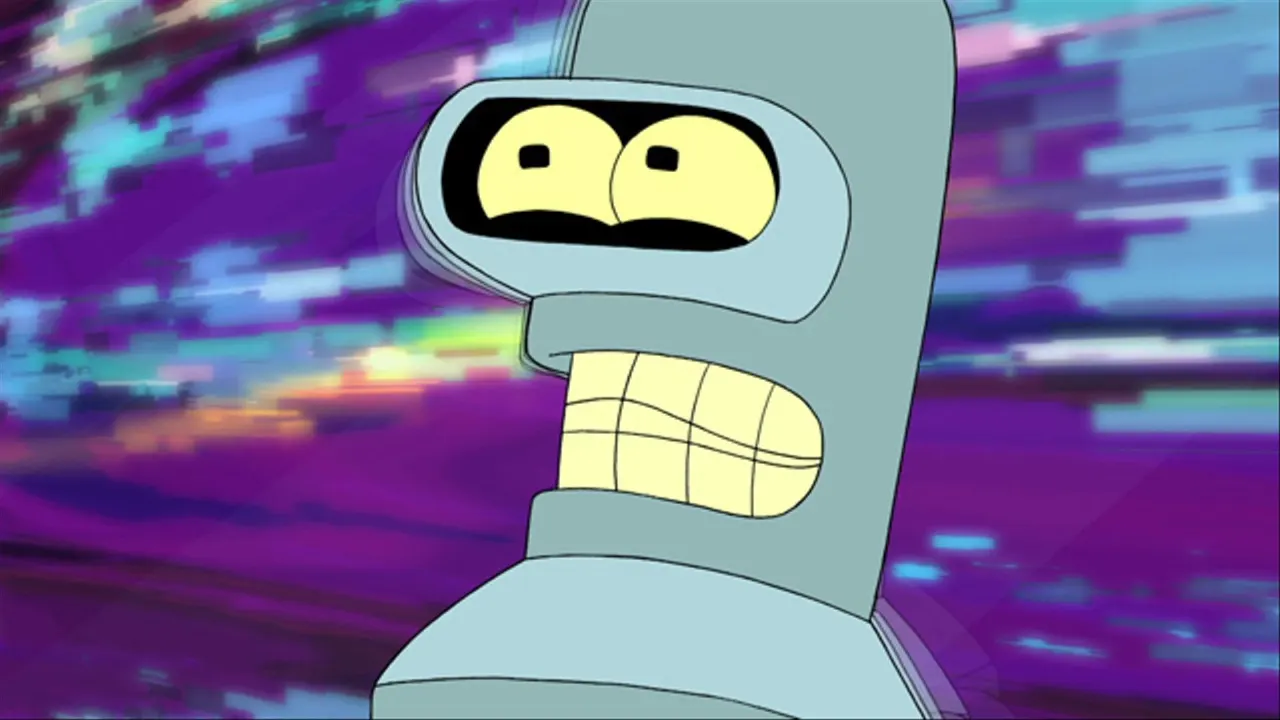
A new episode of *Futurama*, “Final Ending: The Last Conclusion”, was written as a possible series finale, but the show is set to return with three animated specials next year. It is the sixth time the series has prepared an episode to serve as a potential ending, prompting a ranking of its finales by how well they conclude the story.
The article describes *Futurama*’s four eras: its Fox run, four direct-to-DVD films, its Comedy Central seasons and its Hulu seasons. It argues that “Overclockwise” is the weakest finale because Bender dominates the story while Fry, the show’s central character, is left in a secondary plot. “The Devil’s Hands Are Idle Playthings” is praised as an excellent episode, but its sweet ending feels less conclusive because the writers were unsure whether the series would continue.
- A new episode is *Futurama*’s sixth possible series finale.
- Three animated specials are planned for next year.
- The article says “Overclockwise” works least well as a finale.
New here? Start with this
Futurama is an animated comedy about Philip J. Fry, a 20th-century delivery worker who wakes up in the year 3000 and joins a New York delivery company. The series follows Fry, his friends Leela and Bender, and their adventures in a future shaped by aliens, robots and advanced technology.
The show has aired in several stretches: first on Fox, then through four films released direct to DVD, followed by seasons on Comedy Central and Hulu. Because it has returned after apparent endings, some episodes were written to work as possible finales, giving each one a different chance to wrap up the characters’ stories.
How a finale works can depend on whether it was written with the show’s future in doubt or with a return expected. Fry’s place in the story also matters to many viewers, as he is the central character whose relationships and life in the future anchor the series.
Both sides, in good faith
The strongest fair case each way — we don't pick a winner.
The case for
Ranking the finales offers a useful way to compare how well each one gives the series emotional and narrative closure, especially when the show has returned repeatedly after apparent endings. The article’s criteria invite debate: a finale may feel strongest when it centres Fry and resolves the relationships and themes that have carried the story.
The case against
A ranked list can make subjective preferences seem more definitive than they are, since a finale’s value may lie in its humour, character focus or openness rather than how completely it closes the story. Episodes written amid uncertainty about renewal may also deserve to be judged in the context of what their creators could reasonably know at the time.