‘They call every week’: the phishing attacks targeting past victims
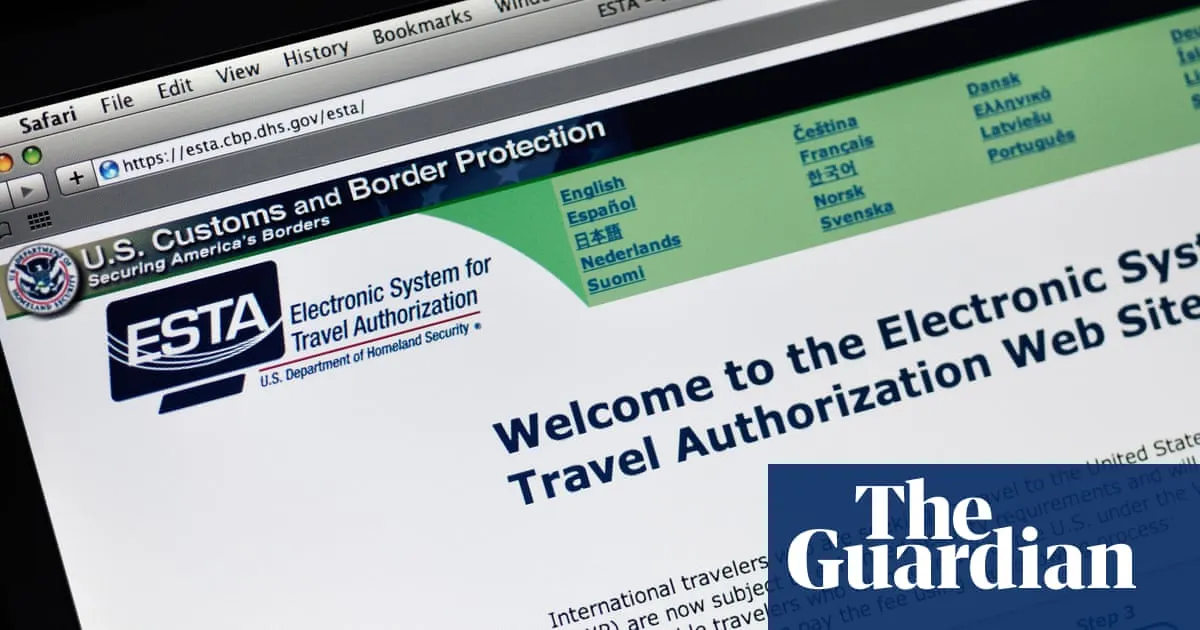
Lisa Riley says she has continued to receive frequent scam calls and texts since entering her details on a fake US Esta website 17 months ago. Her experience shows how information stolen through one phishing scam can be reused to make later fraud attempts more convincing.
Riley lost £16, and says calls claiming to be from her bank arrive about once or twice a week, with texts even more often. Nationwide research found 15% of people had given personal information to someone who later proved to be fraudulent. US Customs and Border Protection advises applicants to use only its official .gov website or app; in the UK, suspected fraud should be reported to a bank and Report Fraud.
- Riley still gets scam calls and texts 17 months later.
- Stolen details can make follow-up fraud more convincing.
- Use the official .gov Esta site or app.
New here? Start with this
Phishing is a fraud technique where scammers create fake websites or send fraudulent messages designed to trick people into revealing personal information. These might mimic official government websites or banking sites, and victims often don't realise they've been targeted until scam calls or texts begin.
Once stolen through one scam, personal information often spreads to other fraudsters who reuse it to make subsequent fraud attempts more convincing. Around 15 per cent of people have unknowingly given their details to fraudsters, suggesting this is a widespread problem.
Victims can face months or even years of scam attempts as their information continues to circulate among criminals. People can reduce their risk by using only official government websites (typically ending in .gov) when applying for services, and by reporting any suspected fraud to their bank or to Report Fraud.
Americas Business Culture Cybersecurity Technology Travel UK World