The 2014 movie that turned Ryan Gosling into David Attenborough: “We had become nature photographers”
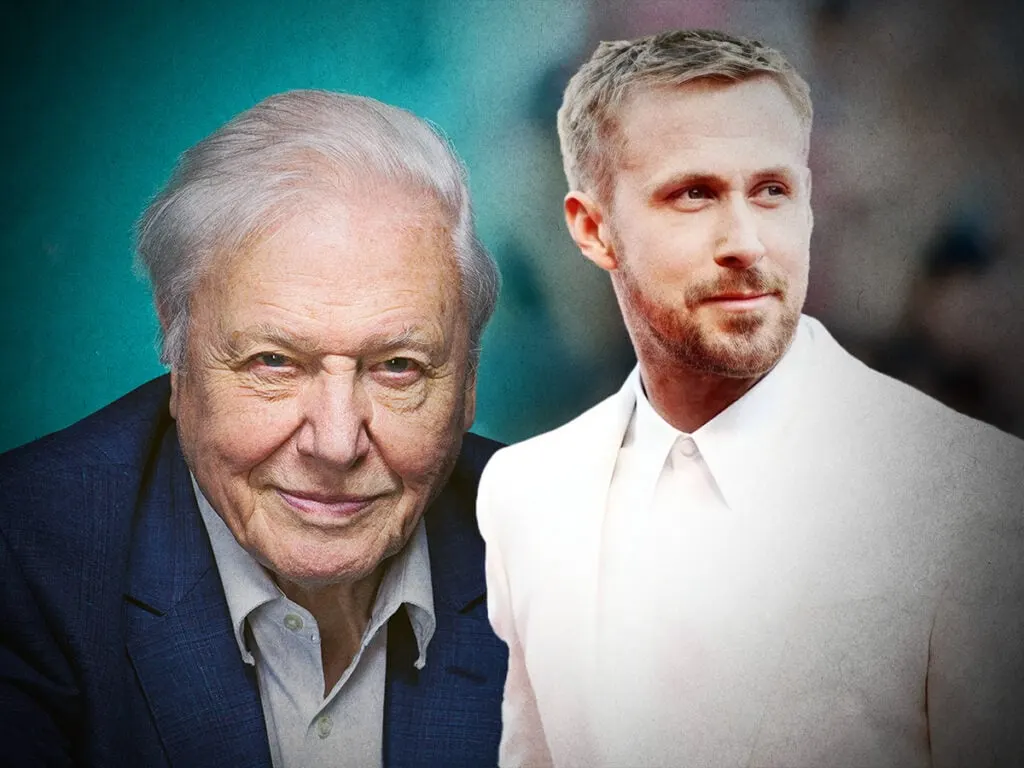
Ryan Gosling's 2014 directorial film Lost River encountered unexpected challenges filming with four-year-old actor Landyn Stewart, who was deeply uncomfortable with cameras and would run away when he saw one. To capture the necessary footage, Gosling and the production team were forced to abandon conventional approaches and adopt techniques reminiscent of wildlife documentary filmmaking.
The crew hid cameras, concealed themselves under piles of laundry, and used long lenses to maintain distance, fundamentally restructuring their shooting plan for scenes involving the child. Gosling told Ain't it Cool News they had to "become like nature photographers," comparing their work to wildlife documentarians spending months hidden to film animals in their natural state. Despite Lost River receiving critical and commercial disappointment, Gosling reflected that the creative problem-solving required during production made the experience worthwhile.
- Four-year-old actor's camera anxiety forced unconventional filming techniques
- Gosling adopted nature documentary methods to shoot scenes
- Lost River faced critical and financial failure
New here? Start with this
Ryan Gosling made his directorial debut with Lost River in 2014. During production, the crew faced an unexpected challenge when filming with its young lead actor, who became deeply anxious around cameras and would run away whenever he saw one.
To capture the necessary footage, the production team adopted unconventional methods inspired by wildlife documentary techniques. They hid cameras, concealed themselves beneath piles of laundry, and used long lenses to maintain distance from the child, fundamentally restructuring their approach to shooting his scenes. Gosling later described this as becoming like nature photographers, who remain hidden for months to film animals in their natural state.
Lost River encountered neither critical nor commercial success upon release. However, Gosling reflected that the creative problem-solving required to work around the child's discomfort made the production experience worthwhile, and the unconventional techniques developed during filming demonstrated how necessity could drive innovative solutions on set.
Both sides, in good faith
The strongest fair case each way — we don't pick a winner.
The case for
The production team's adaptive approach reflects genuine priority toward the child actor's wellbeing. Rather than pressuring a frightened four-year-old into conventional film production, they creatively restructured their methods, enabling authentic performances without psychological distress. Prioritising a vulnerable participant's comfort over production efficiency exemplifies thoughtful filmmaking ethics and innovative creative problem-solving.
The case against
The elaborate workarounds suggest fundamental casting problems the production team chose to accommodate rather than address. Using hidden cameras and long-lens filming techniques on a distressed child raises ethical questions about whether such surveillance-adjacent methods were truly appropriate, regardless of intent. That the film proved critically and commercially unsuccessful further questions whether these measures genuinely served the creative work or simply enabled an untenable situation to continue.