‘If it was a kitten or a dog people would immediately jump to action’
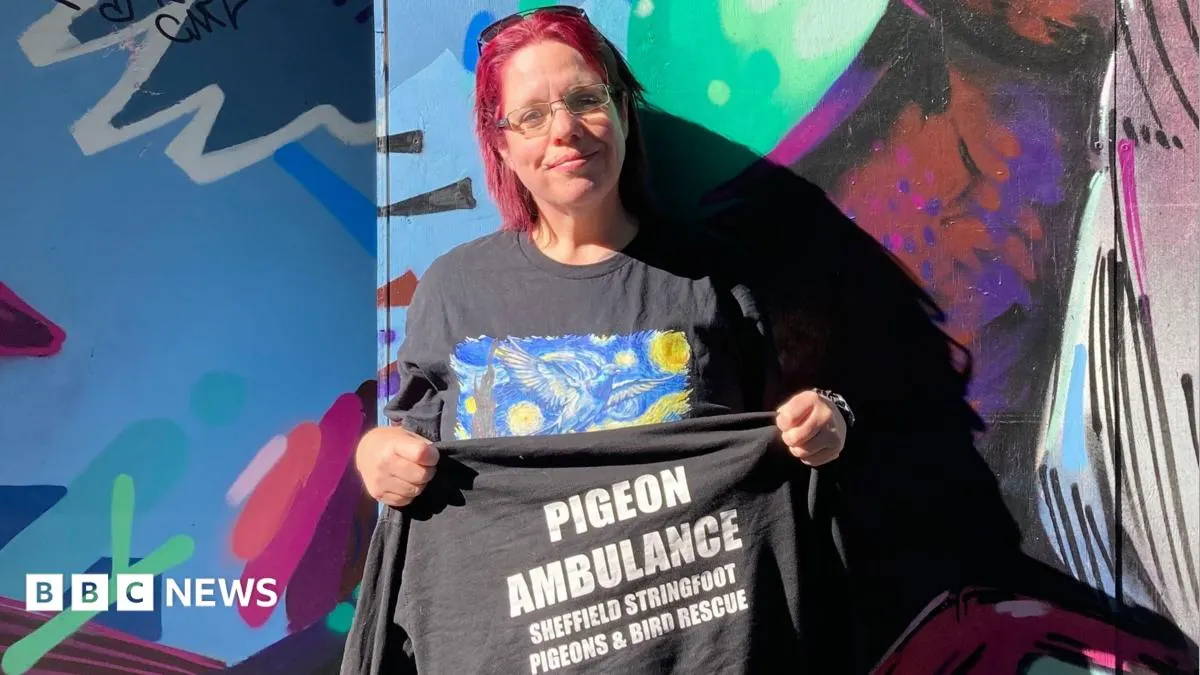
Vicky Prest and other volunteers in Sheffield rescue injured pigeons and birds, including treating pigeons with stringfoot, a condition caused when hair or thread tightens around their feet. Prest says pigeons often receive less public concern than cats or dogs, despite the severe injuries they can suffer.
The volunteer group operates through Facebook and can receive up to 10 callouts an hour; it also runs sessions teaching people to safely catch, treat and release pigeons. National Pigeon Advocacy Association worker Susan Joyce says pigeons were once domesticated before being abandoned, and both she and Prest describe feeling a connection with birds that are overlooked. Prest says pigeons in Castle Square recognise her.
- Sheffield volunteers rescue injured pigeons and other birds.
- Stringfoot can cost pigeons their toes or limbs.
- Advocates say pigeons deserve greater public care.
New here? Start with this
In Sheffield, volunteers rescue injured pigeons and other birds, treating conditions such as stringfoot, where hair or thread cuts off circulation to their feet. Public sympathy for these animals is often considerably less than it is for cats or dogs, according to the volunteers involved.
Vicky Prest leads a team responding to up to ten rescue calls each hour through social media. The group also teaches people to safely catch, treat and release injured pigeons, working with organisations such as the National Pigeon Advocacy Association.
Pigeons were once domesticated before many were abandoned as pets. Volunteers working with the birds describe feeling a connection to them, with Prest noting that some pigeons in Sheffield have become familiar with her.
Both sides, in good faith
The strongest fair case each way — we don't pick a winner.
The case for
Pigeons are sentient creatures capable of suffering serious injuries such as stringfoot, and their pain matters morally regardless of their popularity. The volunteers argue that ethical consistency demands we rescue injured pigeons with the same urgency as cats and dogs, particularly given that urban pigeons descend from once-domesticated birds abandoned by humans. If we truly value reducing animal suffering, we should not allow arbitrary species preferences to determine whose injuries warrant rescue and care.
The case against
Society must pragmatically allocate limited animal rescue resources to domestic pets that depend on human choice and responsibility, rather than extending such services to the abundant urban pigeon population. Pigeons thrive as a self-sustaining species and are often considered pests that damage property and public health; extending rescue infrastructure to every wild animal would be neither sustainable nor necessary. The distinction between pets and wild animals reflects a legitimate ethical boundary about where our primary moral obligations reasonably lie.