RAF Spitfire pilot, 43, was killed in Battle of Britain Memorial Flight crash likely caused by ‘decades-old piece of debris in engine’, report finds
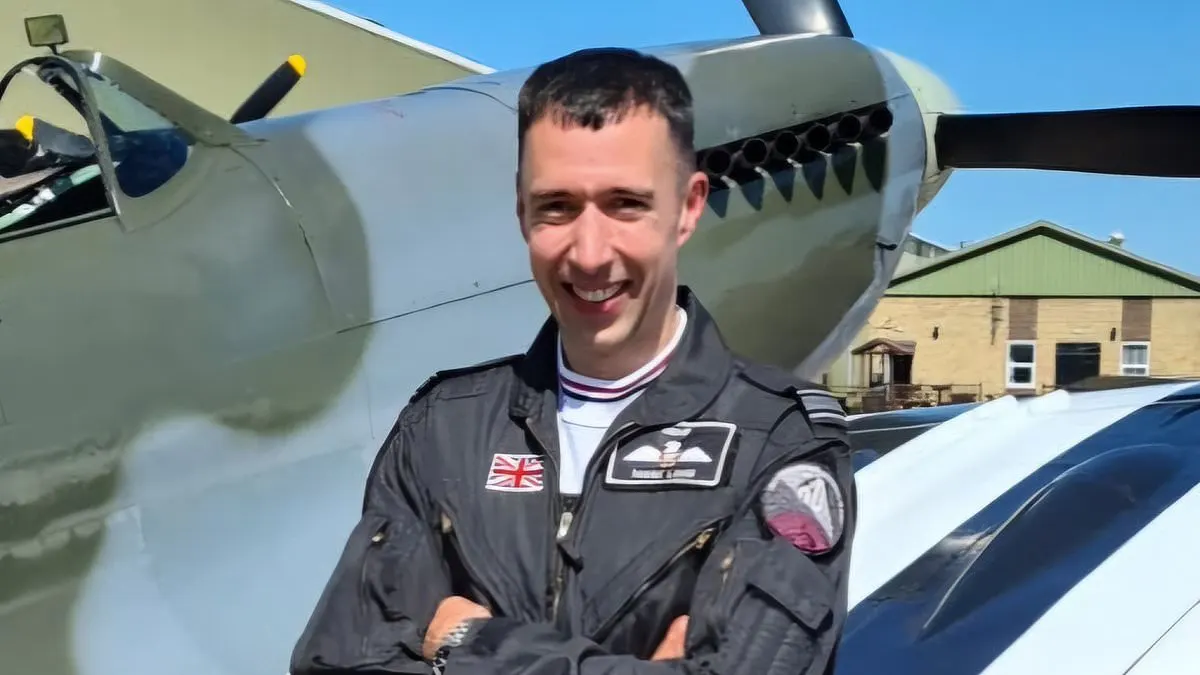
Squadron Leader Mark Long, 43, died when his Spitfire crashed shortly after take-off near RAF Coningsby on 25 May 2024, during a Battle of Britain Memorial Flight. A Defence Safety Authority inquiry concluded that debris in the engine was very likely to have caused the loss of power, and recommended that the findings inform improvements to defence safety.
The debris partially blocked a carburettor jet, restricting fuel flow and reducing thrust until the aircraft could no longer maintain flight; chemical analysis indicated it had been present for decades. The inquiry also found that the cockpit restraint system’s design likely worsened the accident’s consequences for the pilot and said modifications should be considered. Long had served as a fighter pilot and instructor, and was in his fourth season with the memorial flight.
- Decades-old debris likely restricted fuel flow to Long’s Spitfire engine.
- The aircraft lost power shortly after take-off near RAF Coningsby.
- Investigators also flagged the cockpit restraint system’s design.
New here? Start with this
Squadron Leader Mark Long, a 43-year-old fighter pilot and instructor, died on 25 May 2024 when his Spitfire crashed shortly after take-off near RAF Coningsby whilst flying with the Battle of Britain Memorial Flight. The crash prompted an official investigation by the Defence Safety Authority to determine the cause.
The Battle of Britain Memorial Flight is a Royal Air Force unit that flies historic Second World War aircraft in displays and commemorative events. The Spitfire is one of Britain's most famous aircraft from that era, and the memorial flight keeps these planes flying to honour wartime heritage and maintain links to that history.
Investigators found that debris in the aircraft's engine was very likely the cause, having remained undetected for decades before partially blocking the fuel supply and forcing the plane down. The safety inquiry also identified problems with the cockpit restraint system and has made recommendations for improvements to prevent similar accidents.