US removes two Iranian diplomats after they overstay authorised stay in New York
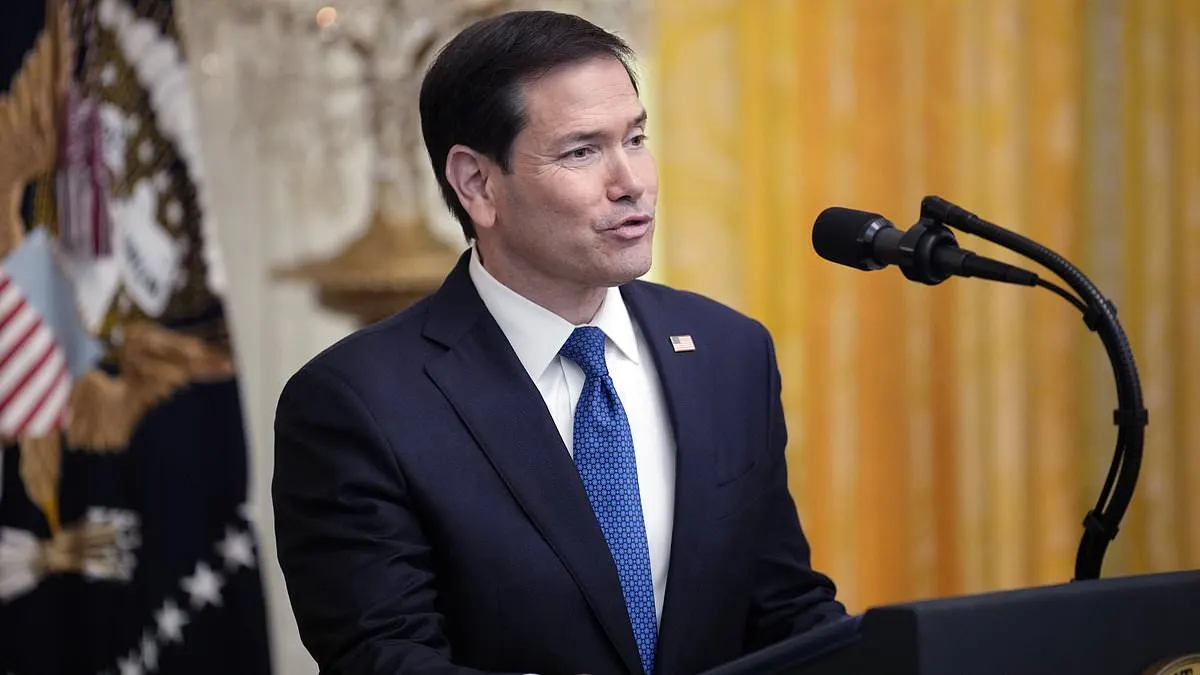
Two Iranian diplomats were forcibly removed from the United States after overstaying in New York beyond their authorised departure date following the UN General Assembly meeting. The incident reflects intensifying US-Iran tensions under Secretary of State Marco Rubio's approach, though Iran's Foreign Minister disputed the account, claiming all diplomats departed as scheduled and criticising the US action as inconsistent with UN host nation obligations.
Broader context includes Iran's closure of the Strait of Hormuz, which it says will remain shut unless the US accepts seven specific conditions outlined in a June agreement. The blockade has triggered global oil price spikes, prompting G7 nations to release 100 million barrels from emergency reserves on Friday. Earlier this year, the Trump administration also denied visas to nearly a dozen members of Iran's World Cup delegation.
- Two Iranian diplomats forcibly removed from US after overstaying past UNGA deadline
- Iran disputes account, claiming all diplomats left on schedule as planned
- Strait of Hormuz closure over tensions driving global oil prices sharply up
New here? Start with this
The United States and Iran have long been adversaries, with tension between them stretching back decades over nuclear programmes, regional influence, and diplomatic disagreements. Under the current Trump administration, particularly with Secretary of State Marco Rubio, this tension has intensified.
A specific incident has emerged involving two Iranian diplomats who remained in New York beyond their authorised departure date after the UN General Assembly meeting. Whilst the US says it forcibly removed them for overstaying, Iran's government denies this, claiming all its diplomats departed on schedule; this dispute exemplifies how strained relations between the two nations have become.
More broadly, Iran has closed the Strait of Hormuz, a vital passageway for global oil shipments, and says it will not reopen it unless the US accepts certain conditions. This blockade has led to sharp increases in oil prices worldwide, prompting industrialised nations to release emergency fuel reserves. Because so much of the world depends on oil flowing through this strait, diplomatic tensions between these two countries affect energy costs globally.
Both sides, in good faith
The strongest fair case each way — we don't pick a winner.
The case for
The United States has clear and legitimate authority to enforce the terms of diplomatic visas. If Iranian diplomats overstayed beyond their authorised departure date, removal represents an appropriate enforcement mechanism. Host nations must maintain the integrity of their visa and diplomatic protocols; allowing violations to pass unchallenged would set a problematic precedent for all nations. Enforcing agreed-upon rules fairly is a fundamental right of sovereign states.
The case against
Forcible removal of UN-accredited diplomats contradicts established norms around diplomatic immunity and how host nations should handle such matters through quiet diplomatic channels rather than force. Iran contests that any overstay occurred, and even setting that aside, the approach prioritises confrontation over dialogue at a moment when escalating tensions require diplomatic engagement. The United States, as a UN host nation, bears special responsibilities to uphold international institutions and maintain communication channels—particularly when broader disputes, such as the Strait of Hormuz closure, demand negotiated solutions rather than further deterioration.
Americas Cricket Middle East Sport World
Read the full article at the source →
Originally published by Daily Mail as “Iranian diplomats forcibly kicked out of US after ignoring orders to leave New York”.