Grief-stricken mom was told her son was dead for three days before hospital admitted he was in fact alive, lawsuit says
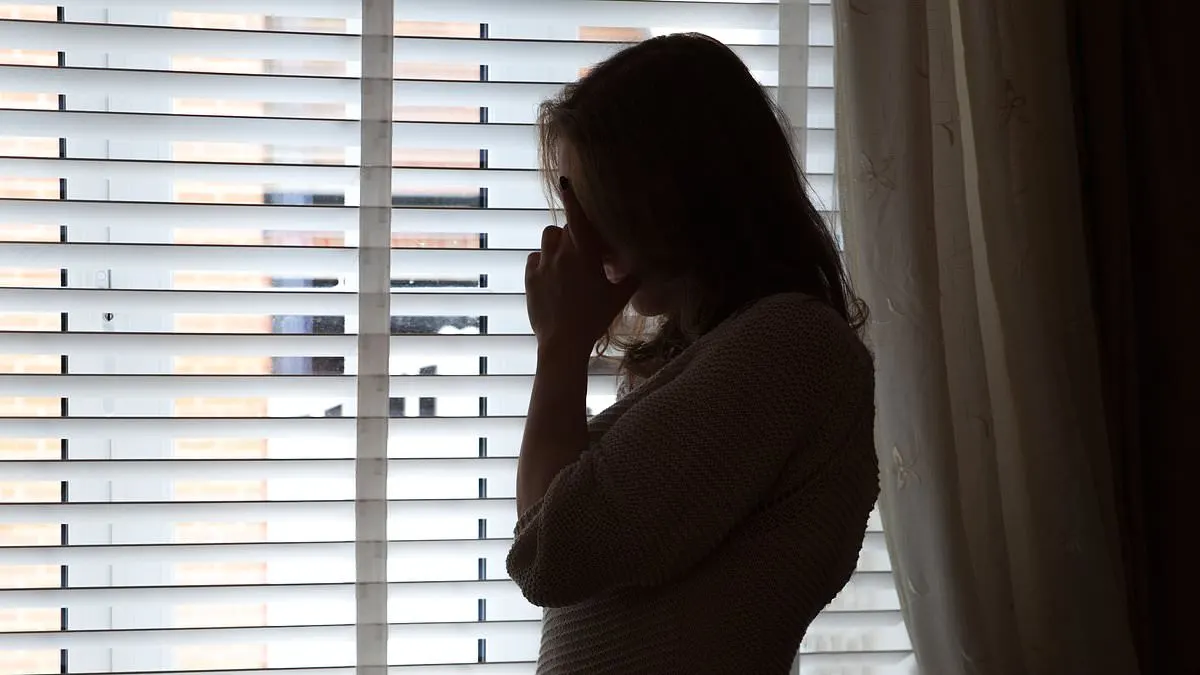
A mother from New Jersey has sued a Las Vegas hospital after staff mistakenly informed her that her son had died when he was in fact still alive. Marlene Garbowski called Southern Hills Hospital and Medical Center in November 2024 requesting her son's medical records for a benefits application, but was told he was a "deceased patient." This case raises serious questions about hospital accountability and the devastating consequences of administrative errors in healthcare systems.
Garbowski remained in a state of severe distress for three days before discovering the truth, during which time she was unable to leave bed and resorted to taking anti-anxiety medication for the first time. The hospital later acknowledged the error occurred through a third-party vendor managing their records system and called the incident a "learning tool" for staff. Garbowski is seeking at least $15,000 in compensation through a negligence lawsuit citing negligent infliction of emotional distress, with the case highlighting Nevada's legal requirements for hospitals to maintain accurate and promptly communicated patient information.
- Las Vegas hospital falsely declared living son deceased, causing three days of severe grief
- Mother only discovered error after hospital later acknowledged the administrative mistake
- Woman suing for at least $15,000 for emotional distress and negligence
New here? Start with this
A mother in New Jersey contacted a Las Vegas hospital in November 2024 requesting her son's medical records. Hospital staff mistakenly informed her that her son was a "deceased patient" when he was still alive.
The mother experienced severe distress after receiving the news. The hospital later revealed the error had originated from a third-party vendor managing their patient records system.
This case highlights how hospitals manage sensitive medical data and communicate with families. Questions have been raised about the accuracy of patient records and hospital accountability when administrative errors occur.
Both sides, in good faith
The strongest fair case each way — we don't pick a winner.
The case for
The hospital bears institutional responsibility for the accuracy of patient information disseminated under its name, regardless of third-party vendor involvement. The documented severity of harm—three days of complete incapacity, inability to leave bed, and first-time use of anti-anxiety medication—represents measurable emotional injury that negligent infliction of emotional distress law specifically exists to address. Healthcare institutions must face financial accountability for such errors to maintain rigorous information systems and incentivise prevention of similar devastation to other families. The lawsuit appropriately enforces the principle that hospitals cannot shield themselves from consequences through vendor blame-shifting.
The case against
Whilst the hospital's error was wrong and the distress genuine, emotional distress damages without physical injury remain legally uncertain territory, and assigning substantial sums risks problematic precedent for healthcare liability. The third-party vendor's involvement raises legitimate questions about the hospital's own negligence versus systemic failures beyond reasonable institutional control, complicating straightforward liability assignment. The distress, though severe, resolved upon error discovery with no lasting injury, raising fair questions about proportionate compensation levels. The hospital's prompt acknowledgment and commitment to policy reforms may prove more effective at preventing future incidents than litigation that ultimately increases costs borne by patients and the healthcare system.