Museum extends hours after crowds overwhelm Bayeux Tapestry exhibition
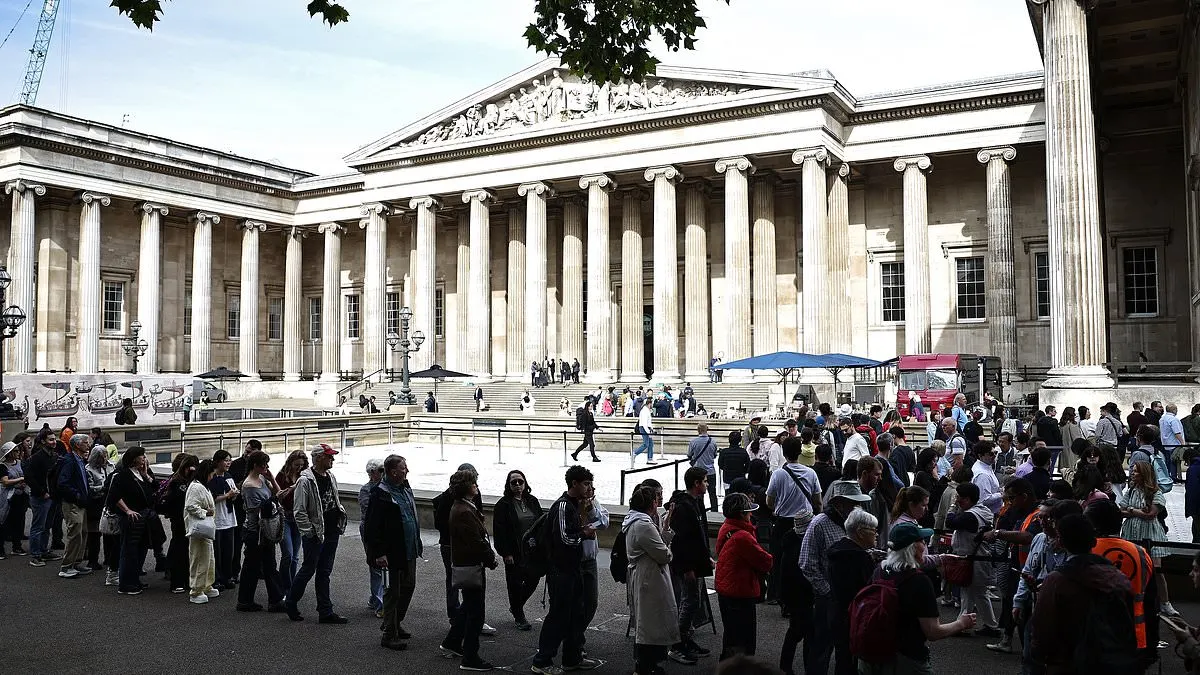
The British Museum has announced measures to tackle unprecedented queues for the Bayeux Tapestry exhibition after hundreds of visitors were turned away or faced waits of up to two hours. The museum will extend opening hours, introduce an audio guide and add more signage in response to the overwhelming demand for the 11th-century embroidery, which is on a historic one-year loan from France.
The crisis intensified when visitors were turned away on Wednesday due to a private Samsung gala dinner attended by Chancellor John Healey and the Princess Royal, prompting the museum to apologise and offer refunds and priority rebooking slots. The exhibition proved exceptionally popular, with 100,000 tickets sold on the first day in July; adults pay £33 at peak times or £27 off-peak, more than double the €12 charge in Bayeux, Normandy. An audio guide was added after a blind visitor, Dr Yusuf Ali Osman, threatened legal action claiming disability discrimination, with his law firm Leigh Day arguing the museum breached the Equality Act.
- British Museum introducing audio guide and longer hours after Bayeux Tapestry queue chaos
- Visitors faced two-hour waits; some turned away during private dinner event
- Blind visitor's disability discrimination threat prompted audio guide addition
New here? Start with this
The Bayeux Tapestry is an 11th-century embroidered cloth that depicts the Norman conquest of England in 1066 and is considered one of Europe's most historically significant artefacts. It has been housed in Normandy, France since the mediaeval period.
The British Museum is hosting a one-year loan of the tapestry, offering an exceptionally rare opportunity for British audiences to view it without travelling to France. The exhibition, which opened in July 2026, has generated unprecedented public demand far exceeding the museum's expectations.
The overwhelming visitor numbers have created significant operational challenges, including long queues and visitors being unable to access the exhibition. This congestion reflects both the artefact's historical importance and the rarity of the opportunity to see it on display in Britain.
Both sides, in good faith
The strongest fair case each way — we don't pick a winner.
The case for
The museum must manage extraordinary demand whilst preserving an 11th-century artifact and sustaining substantial operational costs. Premium pricing for major exhibitions is standard practice in world-class institutions and enables fair allocation of access during the temporary loan. The revenue supports the museum's broader public programmes, and visitors knowingly choose to purchase tickets, understanding the unique, time-limited opportunity this represents.
The case against
The peak price of £33 is nearly three times the €12 charged in Bayeux, representing significant exploitation of the museum's monopoly position. This pricing creates barriers for lower-income visitors to access their cultural heritage, contradicting the public-service mission of major cultural institutions. The exceptional demand demonstrates the exhibition would remain highly profitable at substantially lower prices, yet the museum has prioritised revenue maximisation over democratic access to shared cultural treasures.
Read the full article at the source →
Originally published by Daily Mail as “British Museum announces changes to deal with Bayeux Tapestry queues after hundreds were turned away or forced to wait hours”.