25 Years Later, Ridley Scott’s Most Controversial Thriller Is Officially Free on Youtube
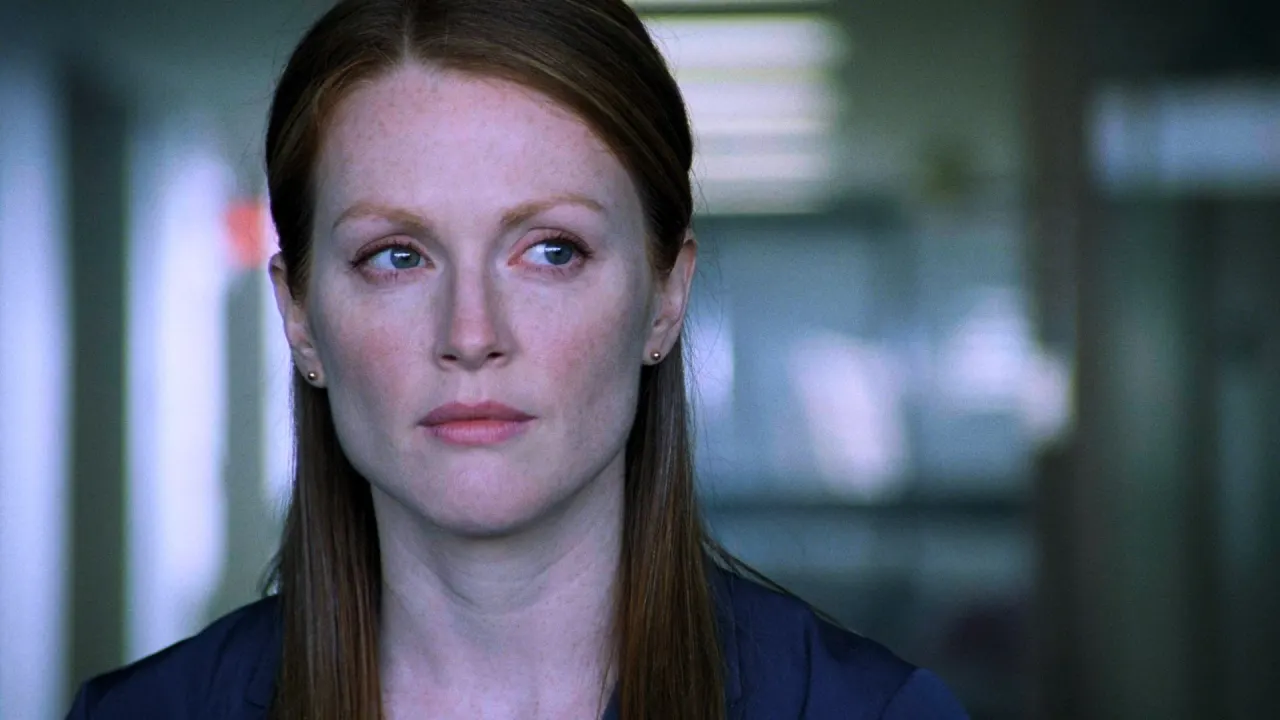
Ridley Scott’s 2001 film *Hannibal* is now free to watch on YouTube. The article argues that the adaptation faced a difficult task because Thomas Harris’s 1999 sequel was already divisive, particularly over its ending, which turns Clarice Starling’s relationship with Hannibal Lecter into a romance after she is tortured and brainwashed.
The film starred Anthony Hopkins as Lecter and Julianne Moore as Starling, replacing Jodie Foster, who declined to return. Foster said she and director Jonathan Demme could not “trample on” a character important to them, though she later clarified that scheduling was the official reason she passed. The article contrasts the sequel’s pursuit of shocks with the quieter suspense of *The Silence of the Lambs*, whose novel had sold more than 10 million copies by 1999 and whose film earned over $273 million worldwide.
- Ridley Scott’s *Hannibal* is free to watch on YouTube.
- The film adapted Thomas Harris’s controversial 1999 sequel.
- Julianne Moore replaced Jodie Foster as Clarice Starling.
New here? Start with this
Hannibal is a 2001 thriller directed by Ridley Scott and the sequel to the hugely successful 1991 film The Silence of the Lambs. The film follows FBI trainee Clarice Starling as she again encounters the brilliant but murderous psychiatrist Hannibal Lecter. The original film was a massive commercial success, earning over $273 million at the worldwide box office.
When the sequel was made, actor Jodie Foster declined to return as Starling. Foster initially said she and original director Jonathan Demme could not risk damaging a character important to them, but later clarified that scheduling was the real reason. Julianne Moore took the role instead, with Anthony Hopkins returning as Lecter.
The film adapted Thomas Harris's 1999 novel, which proved divisive over its ending. In both the book and film, Starling and Lecter's relationship becomes romantic as a result of her torture and brainwashing. This romantic turn represented a significant departure from the professional distance between them in the original.
Both sides, in good faith
The strongest fair case each way — we don't pick a winner.
The case for
Ridley Scott's film faithfully adapted Harris's published sequel despite its controversial direction, representing artistic integrity rather than commercial timidity. The film's visual sophistication and willingness to pursue darker thematic territory distinguished it from simply retreading the original's success, and Scott's commitment to the source material—even when divisive—was a defensible artistic choice that took genuine risks.
The case against
The film sacrificed the psychological intelligence and measured suspense of the original for sensationalism and shock value. The ending's romanticisation of torture and brainwashing represents a troubling portrayal of abuse that fundamentally compromised Starling's character arc, particularly given the first film's careful development of her as a capable, principled protagonist.