The upcoming touchscreen OLED MacBook Pro is reportedly ‘significantly lighter’
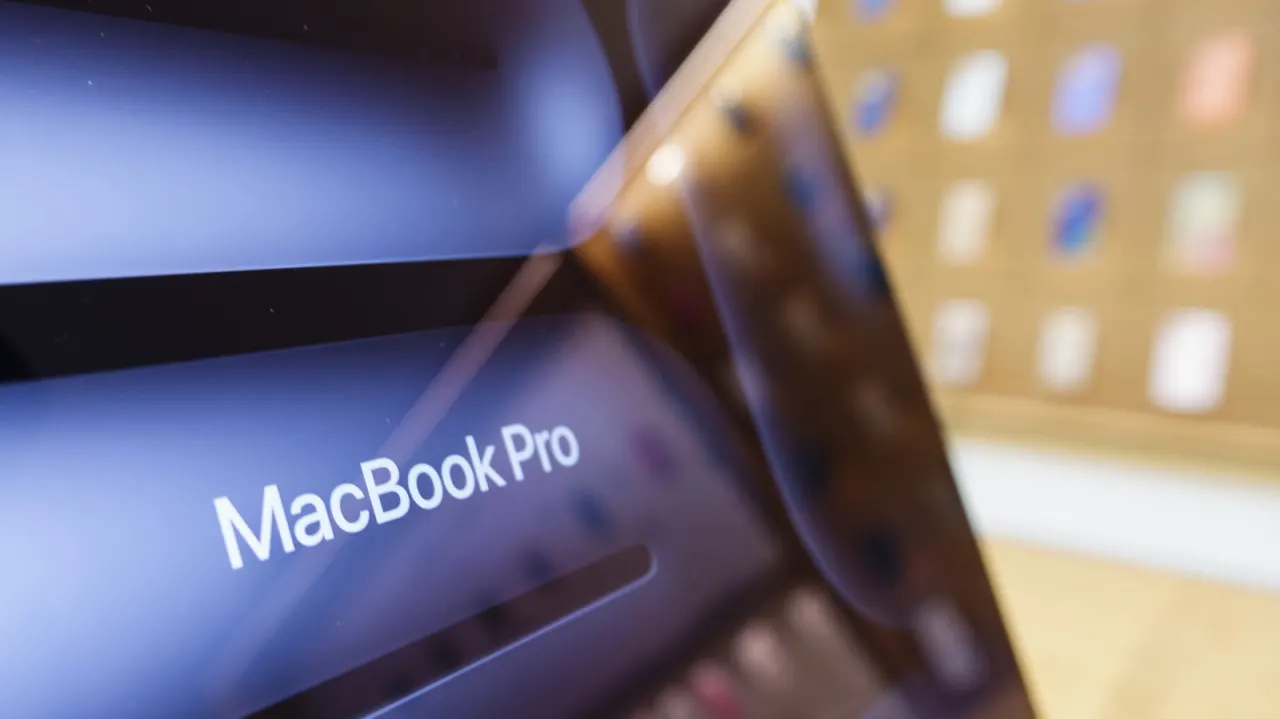
Apple is preparing to launch a new MacBook Pro next month that will feature a touchscreen OLED display and be significantly lighter than current models. The company has achieved this by miniaturising internal parts and rearranging components throughout the laptop's design. This hardware milestone takes on added significance under new CEO John Ternus, who has recently prioritised product design and restructured Apple's design teams to report directly to him.
The new model will feature M5 chips rather than the upcoming M7 processors expected to launch in early 2027. Current MacBook Pro models start at 3.4 pounds for the 14-inch version and go up to 4.7 pounds for the 16-inch model, though specific weights for the new redesigned version have not been disclosed. The touchscreen OLED MacBook Pro will debut alongside the first iPad mini to also feature OLED technology, representing a broader push to incorporate the display technology across Apple's product line.
- Apple's MacBook Pro gets lighter with OLED touchscreen, launching next month
- New design prioritises slimmer internals under CEO Ternus's focus on product design
- M5 chips power the redesigned laptop launching alongside OLED iPad mini
New here? Start with this
OLED stands for organic light-emitting diode, a display technology that produces images using individually illuminated pixels rather than a backlight. This approach enables superior contrast, colour accuracy, and thinner screens compared to traditional LCD displays currently used in most laptops, and the technology has become increasingly common in premium devices such as smartphones and professional monitors.
Apple's MacBook Pros have traditionally featured non-touch displays paired with physical keyboards and trackpads for user input, reflecting the company's longstanding design philosophy for laptop computers. Adding both an OLED display and touchscreen capability would represent a significant shift from this approach and suggests Apple is reconsidering how users interact with its professional laptops.
The redesign comes under John Ternus, who recently became chief executive officer of Apple. Ternus has made product design a central priority and restructured the company's design teams to report directly to him, indicating that hardware innovation is a key focus of his leadership.
Both sides, in good faith
The strongest fair case each way — we don't pick a winner.
The case for
Apple's design focus directly addresses genuine user priorities. MacBook Pro users consistently cite weight as a frustration, and significant weight reduction through component miniaturisation solves this recurring complaint. OLED displays deliver measurable improvements in colour accuracy and visual performance that benefit creative professionals.
The case against
This represents design theatre obscuring the improvements users actually need. Touchscreens on laptops create awkward ergonomics without meaningful utility; repairability, port options, component upgradeability, and battery longevity remain unaddressed despite being frequent user complaints. Apple has prioritised cosmetic refinement over the functional innovations professional users genuinely require.