Ireland and Israel share tense Nations League draw in Serbia
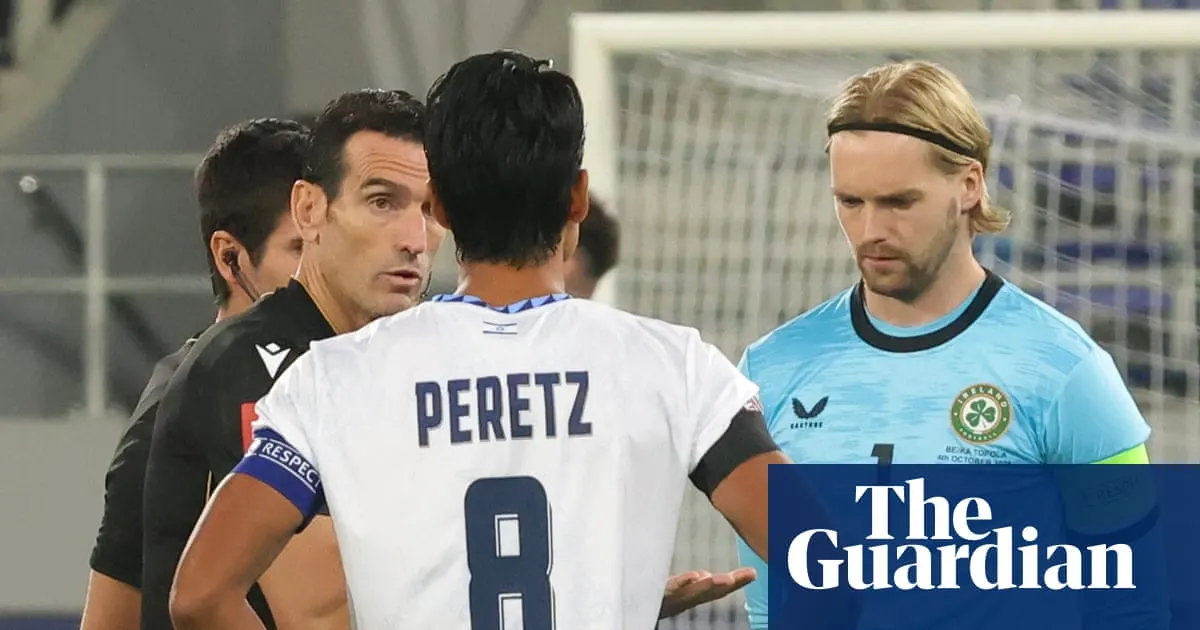
The Republic of Ireland played out a 1-1 draw against Israel in a tense Nations League Group B3 match held in Serbia, with the fixture moved from Dublin to a neutral venue following widespread protest concerns. Troy Parrott opened the scoring with a penalty in the 39th minute, but Dor Peretz equalised just two minutes into the second half. The encounter was marked by significant tension between the sides, with Ireland's captain Caoimhín Kelleher refusing to shake hands with Israeli captain Peretz before kick-off, continuing his predecessor Dara O'Shea's gesture of protest.
The match was relocated from Dublin to TSC Arena in Backa Topola, Serbia, and played without spectators following calls for a boycott concerning Israel's military operations in Gaza. Both teams wore black armbands; Ireland's players bowed their heads during the Israeli national anthem, whilst Israel wore them in memory of victims of the 7 October 2023 Hamas-led attacks. Multiple altercations occurred during the match, including clashes as the teams entered the tunnel at half-time and confrontations in the closing minutes. Parrott has now scored ten times in his last seven competitive internationals for Ireland.
- Ireland drew 1-1 with Israel in a neutral Nations League match in Serbia
- Captain Caoimhín Kelleher refused to shake hands with his Israeli counterpart
- Match moved from Dublin to avoid protests over Gaza conflict
New here? Start with this
The UEFA Nations League is a competitive international football tournament for European nations, held alongside World Cup and European Championship qualifiers. The Republic of Ireland and Israel are facing each other in Group B3, one of several groups that separate European teams according to their football rankings.
Since October 2023, Israel has been conducting military operations in Gaza following a Hamas-led attack. The conflict has sparked widespread international protests and calls for ceasefires, with particular concern about civilian casualties. These geopolitical tensions have extended into international sport, with activists seeking to highlight their concerns through football matches.
This match between Ireland and Israel attracted particular attention because of these tensions. It was originally scheduled for Dublin but was relocated to Serbia and played without spectators following concerns about potential protests and safety. Such encounters between nations with political disagreements often become focal points for broader international issues, with supporters and activists using them to express their positions.
Both sides, in good faith
The strongest fair case each way — we don't pick a winner.
The case for
Irish players' gestures reflect a principled conviction that serious humanitarian concerns demand peaceful expression, particularly when athletes have global platforms to communicate their values. Supporters argue that silence on grave matters constitutes complicity, and that refusal to participate in conventional pre-match protocols represents legitimate free expression that transcends sport itself.
The case against
International football should serve as an apolitical arena where nations meet on equal sporting footing, and that politicising such events alienates players, fans, and institutions devoted to athletic competition alone. Opponents contend that political protest has many legitimate venues outside sport, and that national matches demand respect for shared traditions rather than individuals leveraging them for particular political positions.
Read the full article at the source →
Originally published by The Guardian as “No handshakes again as Ireland play out tetchy ‘home’ draw with Israel in Serbia”.