Foldable iPhone Duo reportedly drops Face ID and camera features
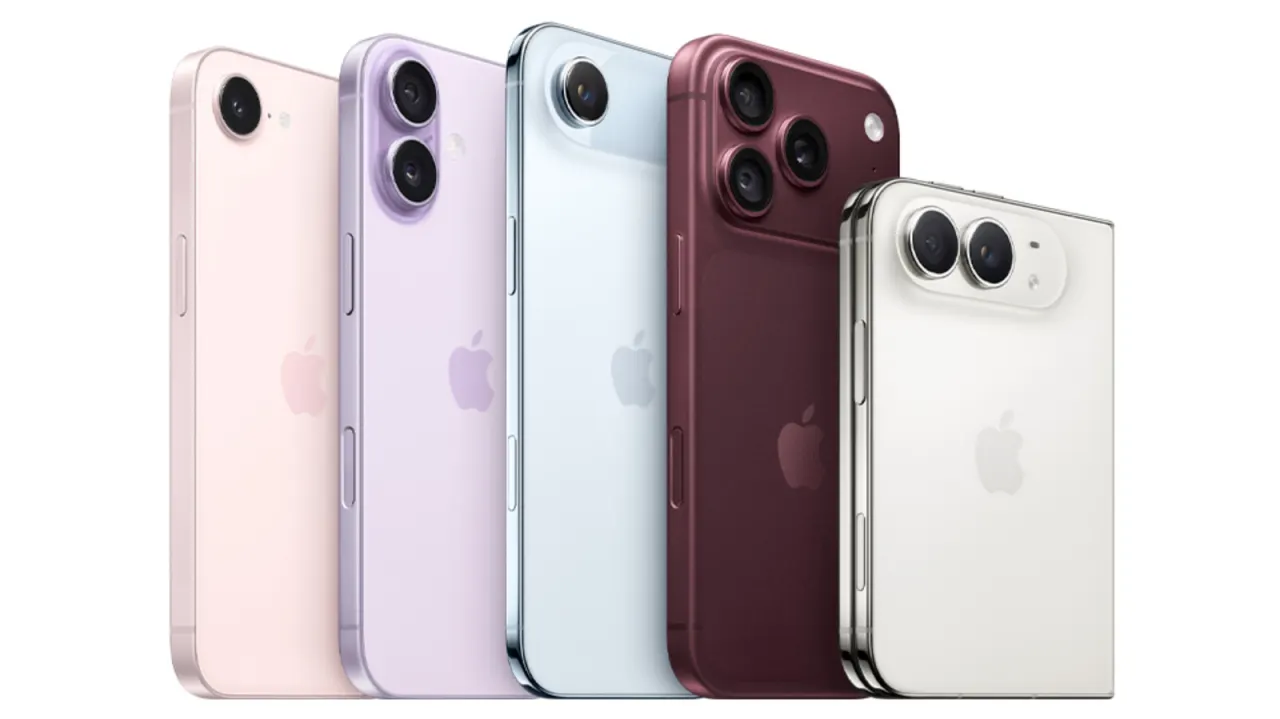
Apple's first foldable iPhone, the Duo, makes several significant sacrifices to accommodate its innovative folding display. Whilst the device offers an exciting new form factor with a redesigned interface, it lacks key features found on traditional iPhone models, including FaceID facial recognition and the Camera Control button. These compromises mean potential buyers must weigh whether the folding experience justifies losing features they may have grown accustomed to.
The Duo drops FaceID entirely, requiring users to rely on fingerprint sensors in the power button or passwords for authentication and app login. Its camera system is significantly less capable than the iPhone 18 Pro, lacking the periscope telephoto lens, mechanical aperture, and LiDAR scanner for improved night photography. The cover display's 12-megapixel selfie camera trails the iPhone 18 Pro's 18-megapixel implementation, and the device is less durable overall, representing a notable downgrade for photography enthusiasts or those reliant on facial recognition.
- iPhone Duo lacks FaceID, requiring fingerprint authentication instead
- Missing advanced camera features like telephoto lens and LiDAR
- Significant durability trade-off for the folding display innovation
New here? Start with this
Foldable phones are devices with screens that bend and fold, allowing them to function as both compact handsets and larger tablets. Several manufacturers including Samsung have released foldable phones over recent years, establishing a new product category. These devices represent a significant engineering challenge, as the folding mechanism and display durability require careful design.
Apple has built its reputation partly on Face ID, a facial recognition system that unlocks devices and authenticates transactions, which has been standard on iPhones since 2017. The company's premium phones are also known for their camera systems, which offer advanced features like zoom lenses and high-quality photography in low light. These technologies have become expectations for users choosing premium iPhone models.
When manufacturers create innovative new designs like foldable phones, they sometimes must make trade-offs in other areas to ensure the device functions reliably and safely. For a company like Apple, known for maintaining extensive feature sets, reports of significant feature removals invite scrutiny about what users gain versus what they lose. This story reflects broader industry tensions between pursuing new technologies and preserving the conveniences consumers have grown accustomed to.
Both sides, in good faith
The strongest fair case each way — we don't pick a winner.
The case for
Those supporting the iPhone Duo's design might argue that pioneering a truly revolutionary form factor requires difficult engineering trade-offs that early iterations must accept. Foldable technology represents a fundamental reimagining of the iPhone, and demanding that it simultaneously match the full feature set of traditional phones misses the point—early adopters of transformative devices throughout history have accepted limitations in exchange for genuine innovation. The folding display itself, redesigned interface, and entirely new use cases could justify relying on fingerprint authentication and capable photography, making the innovation worthwhile.
The case against
Critics might contend that removing proven, fundamental features like Face ID and advanced photography capabilities represents an unacceptable regression, particularly if priced comparably to flagship iPhones. These are not cutting-edge luxuries but core features defining the modern iPhone experience, and consumers shouldn't sacrifice them merely because the device folds. If Apple cannot deliver both innovation and feature parity at a premium price point, it should reconsider the design philosophy rather than ask customers to pay flagship prices for a demonstrably less capable device.
Read the full article at the source →
Originally published by Engadget as “The popular Apple features you won’t be getting with the iPhone Duo”.