A dedicated PC sound card mainly benefits audio producers needing higher fidelity and controls
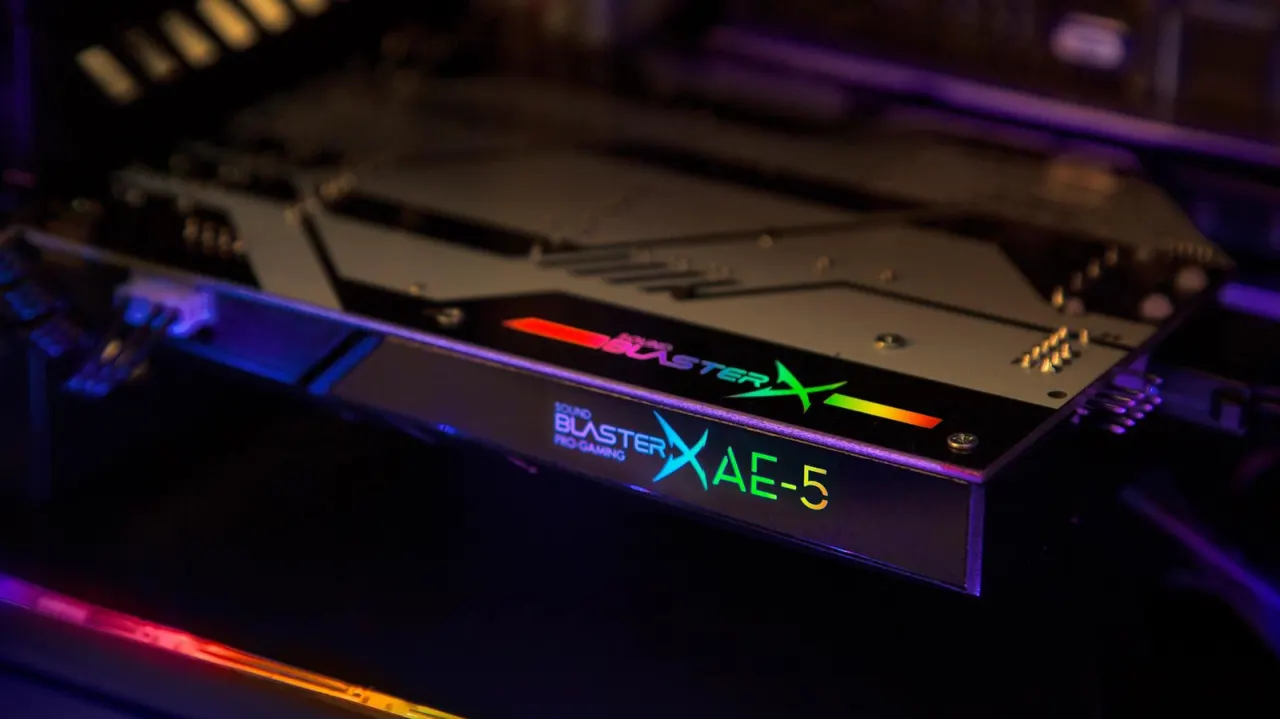
Dedicated sound cards were once essential for PC gaming and music, but built-in motherboard audio now handles most everyday needs. This makes a separate card unnecessary for many people, even as formats such as Dolby Atmos and lossless audio become more common.
Motherboards can process audio and provide microphone and speaker connections, while high-quality sound can also travel over USB, HDMI, DisplayPort or Wi-Fi. A Dolby TrueHD lossless Atmos stream at 24-bit, 192kHz uses about 18 Mbps, compared with USB 3.0’s 5 Gbps capacity. External professional audio interfaces can still be useful for production, offering higher fidelity, convenient controls and less risk of interference from PC components.
- Most PC users can rely on built-in audio.
- Lossless audio fits easily through common connections.
- Professional audio interfaces can benefit music production.
New here? Start with this
A sound card is a piece of computer hardware that processes audio and connects speakers and microphones to a PC. Decades ago, having a dedicated sound card was essential if you wanted good audio quality, as motherboards had poor built-in audio processors.
Modern motherboards now have much better audio processors built directly into them, capable of handling good quality sound. Additionally, audio can now reach speakers and headphones through various connections such as USB, HDMI and wireless, not just traditional cables.
For most PC users listening to music or videos, the audio quality from modern motherboards is sufficient. However, people working in professional audio production, such as musicians and sound engineers, may still need specialist equipment that offers higher fidelity and better controls.
Read the full article at the source →
Originally published by Engadget as “When is it worth getting a sound card for your PC?”.