Lincoln Riley hot seat rumors get louder after ‘Fire Lincoln’ chants during USC-Washington
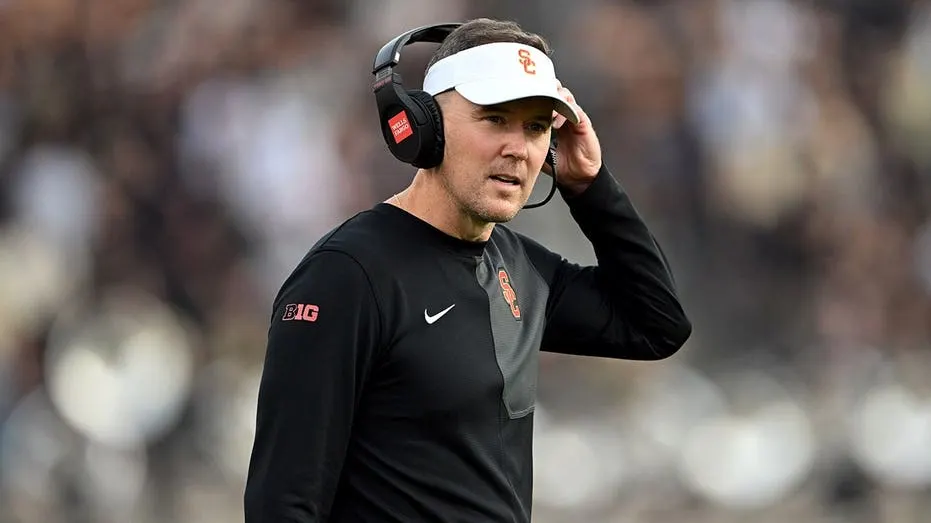
USC defeated Washington 25-21 on Saturday evening, but the victory was overshadowed by audible "Fire Lincoln" chants from the student section directed at coach Lincoln Riley. Despite winning against an inferior opponent, the performance exemplified mounting frustrations with Riley's tenure as the team repeatedly squandered opportunities. The chants, heard even in 100-degree heat, reflected fans' deep frustration with preventable mistakes and poor execution that marked yet another unconvincing victory.
Multiple penalties, including illegal formation and unsportsmanlike conduct violations, nullified crucial plays and extended critical downs throughout the match, including the negation of a 37-yard touchdown. Quarterback Jayden Maiava's performance was undermined by an interception and several underthrown passes to open receivers in pivotal moments. This disappointing showing follows USC's earlier loss to Oregon and exemplifies an alarming pattern of self-inflicted errors under Riley that has left supporters questioning the programme's direction.
- USC beat Washington 25-21 but drew "Fire Lincoln" chants from students
- Multiple penalties and poor execution plagued the Trojans throughout
- Pattern of mistakes under Riley's tenure frustrating fans
New here? Start with this
Lincoln Riley is the head coach of USC, one of America's most prestigious college football programmes. He was hired to restore the team to championship contention after years of underperformance.
Since his arrival, the team has failed to show consistent improvement, despite occasional victories. Recurring problems including penalties, quarterback errors and tactical mistakes have become a frustrating pattern that has disappointed supporters and sparked doubts about the programme's direction.
Public displays of fan dissatisfaction carry significant weight in major college football, as they reflect deeper concerns about a coach's ability to meet institutional expectations. When programmes of USC's stature face sustained criticism, it typically puts coaches under considerable pressure to demonstrate improvement.
Both sides, in good faith
The strongest fair case each way — we don't pick a winner.
The case for
USC is a programme with considerable resources and prestige that should execute at a higher level. The pattern of self-inflicted errors—multiple penalties, missed opportunities, poor quarterback execution—combined with an unconvincing victory over an inferior opponent and the earlier loss to Oregon, suggests systemic problems that reflect on coaching standards. Fans' frustration, expressed even in gruelling conditions, reflects legitimate concern that despite Riley's tenure, the programme fails to perform with the consistency and discipline expected of a blue-blood school.
The case against
A win is a win in college football, and overreacting to performance quality in a single game ignores how most teams operate. Consistent coaching changes create more instability than patient development, and meaningful programme turnarounds require time beyond a few weeks into the season. Early execution issues and in-the-moment fan sentiment are poor grounds for radical decisions. Hasty dismissals based on incomplete data have historically hurt programmes more than helped them, particularly when a coach retains the support of institutional leadership.