Kit Harington Addresses the Devastating ‘A Tale of Two Cities’ Finale and Its “Horrific” Impact
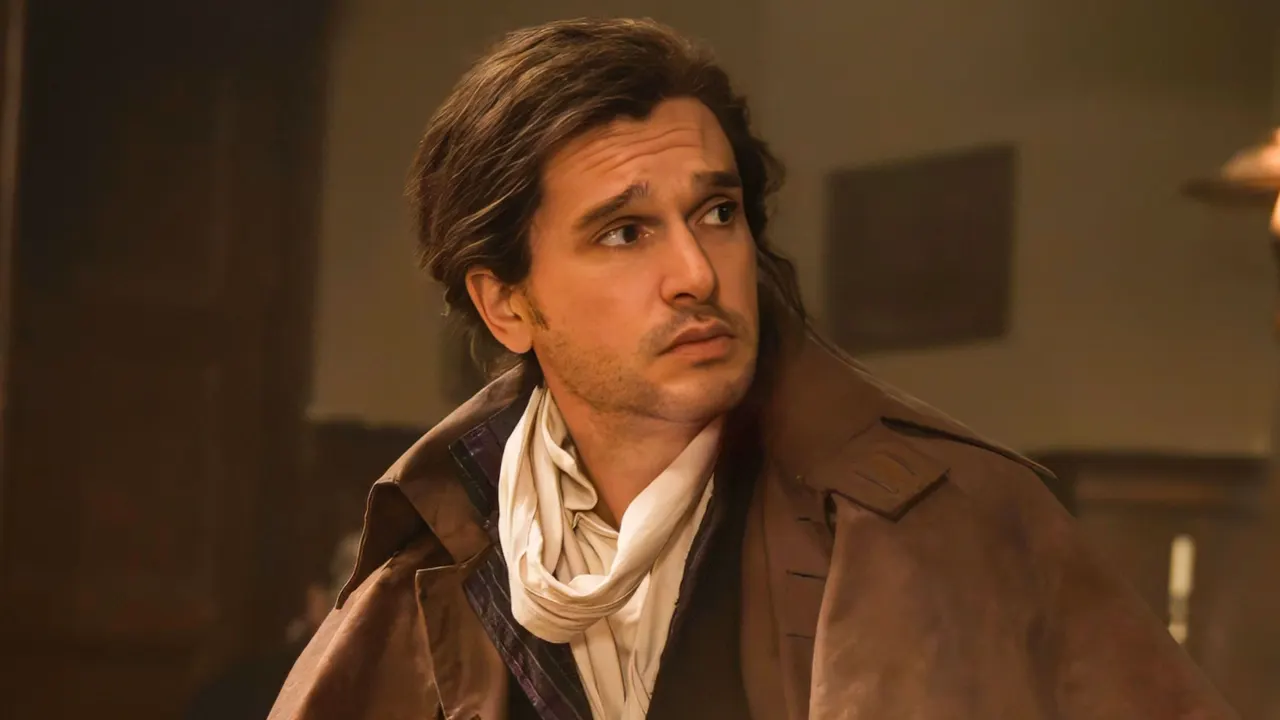
Kit Harington has discussed the finale of MGM+'s four-part adaptation of 'A Tale of Two Cities', where his character Sydney Carton sacrifices himself so that Charles Darnay and Lucie Manette can build a life together. The interview explores how the production team modernised Dickens' classic novel for contemporary audiences by significantly developing the love triangle, particularly strengthening the characters of Lucie and Charles, which Harington suggests were underwritten in the original novel.
Harington reveals that in their adaptation, Lucie initiates the romantic pursuit with Sydney. He describes Sydney as an addict trapped in hopelessness until Lucie enters his life, but emphasises that Sydney becomes unhealthily dependent on her, viewing her as his personal "fix" rather than accepting her as her own person. This psychological dependence frightens Lucie and makes their relationship unsustainable, ultimately driving Sydney towards his self-sacrificial and tragic final act.
- Kit Harington discusses Sydney Carton's sacrifice in MGM+ A Tale of Two Cities finale
- The adaptation modernised the love triangle by developing underdeveloped characters like Lucie and Charles
- Sydney's unhealthy dependence on Lucie as his "fix" makes their relationship unsustainable
New here? Start with this
MGM+ has produced a four-part television adaptation of Charles Dickens' novel 'A Tale of Two Cities'. The series is a modernised version of the classic 19th-century story, starring actor Kit Harington as Sydney Carton. The adaptation takes a notably different approach to character development and relationships compared to the original novel.
At the centre of the narrative is a love triangle involving Sydney Carton, Charles Darnay, and Lucie Manette. The finale sees Sydney make a self-sacrificial choice so that Charles and Lucie can have a life together. The production team substantially developed and reimagined the romantic dynamics and emotional complexity of these relationships from Dickens' source material.
Adapting famous novels for television requires creators to make significant choices about what to preserve, what to change, and how to engage modern audiences. This version emphasises psychological depth and romantic complexity, departing noticeably from Dickens' original characterisations. The tragic finale and the emotional journey leading to Sydney's sacrifice reflect the production's distinctive approach to reinterpreting the classic novel.
Both sides, in good faith
The strongest fair case each way — we don't pick a winner.
The case for
Contemporary adaptations should update classics to engage modern audiences whilst deepening character complexity. Strengthening Lucie from a passive object into an active agent reflects both feminist values and psychological authenticity, whilst reframing Sydney's sacrifice through the lens of unhealthy dependence rather than romanticised martyrdom offers more honest examination of how addiction and emotional enmeshment manifest as tragedy. Such modernisation preserves these works' relevance rather than leaving them as historical artefacts.
The case against
Dickens' original structure and characterisation serve profound thematic purposes that shouldn't be discarded for contemporary sensibilities. Sydney's sacrifice in the novel represents spiritual redemption and noble love transcending personal desire; rewriting it as codependency fundamentally alters the work's moral architecture and philosophical centre. The original's enduring power lies in its artistic integrity, and modernising beloved classics risks diminishing rather than enriching them by replacing timeless universal themes with current psychological fashion.