Shark bites fisherman twice during kayaking encounter along California beach
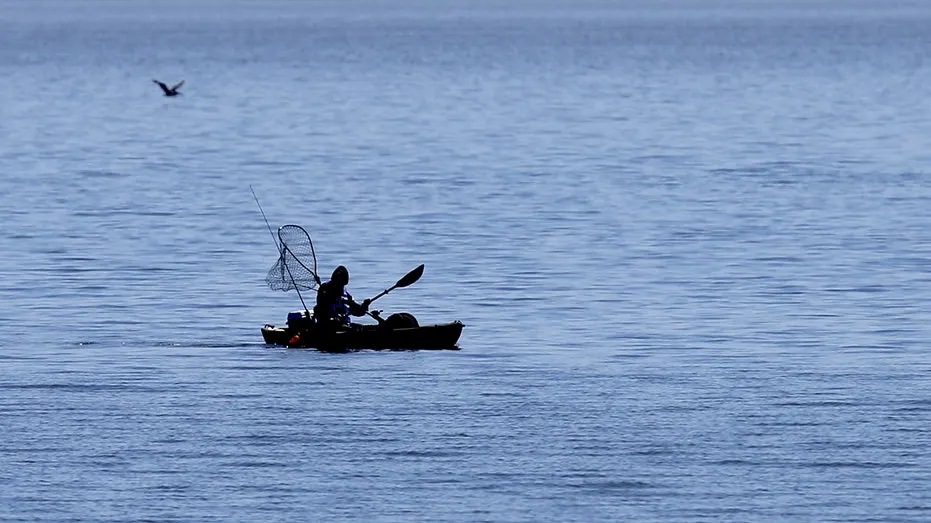
A fisherman kayaking off Malibu was taken to hospital after a shark bit him twice near Paradise Cove on Sunday morning. The incident was first described by the Los Angeles County Fire Department as a shark attack, then later characterised as a “fishing accident”; the beach stayed open.
Witnesses said the man was trying to release what they believed was a mako shark after reeling it in when it bit him and knocked him into the water, then bit him again before swimming away. A nearby fisherman pulled him onto a boat and brought him ashore, where a retired lifeguard helped him and called emergency responders. A cafe manager said he saw tooth marks on the victim’s lower leg and above the knee; the article notes that shark encounters in Southern California are more likely in October, when warmer waters attract prey and juvenile sharks.
- Malibu kayaker was bitten twice while trying to release a shark.
- A nearby fisherman brought him to shore for help.
- Authorities later called it a fishing accident; the beach remained open.
New here? Start with this
A fisherman kayaking off Malibu was injured after a shark bit him twice on Sunday morning near Paradise Cove. The fisherman was taken to hospital following the incident, and the beach remained open after what authorities initially called a shark attack but later characterised as a fishing accident.
The fisherman had caught what appeared to be a mako shark and was attempting to release it when the animal bit him twice, knocking him into the water. Another fisherman who was nearby helped pull him to safety, and a retired lifeguard assisted him whilst emergency responders were called.
Shark encounters in Southern California tend to occur more frequently in October, when warmer ocean temperatures attract small prey and juvenile sharks closer to shore. Such incidents remain rare, though this one highlights the risks of fishing activities in coastal waters where sharks are present.
Both sides, in good faith
The strongest fair case each way — we don't pick a winner.
The case for
The fisherman hooked a shark and was attempting to release it, initiating contact himself. The shark's bite was a natural, defensive response to being caught, not predatory aggression toward swimmers. Classifying this as a fishing accident accurately reflects the true risk level to the general public and avoids creating panic based on mischaracterisation. Keeping beaches open acknowledges that casual swimmers face negligible additional danger from an incident arising directly from fishing intervention.
The case against
Regardless of context, a shark bit a human twice causing hospitalisation, which constitutes an attack by any reasonable definition. Accurate terminology matters for public safety and risk assessment. The confirmed presence of an aggressive shark in coastal waters warrants at least temporary warnings or precautions to ensure all beachgoers—not just fishermen—are aware of potential danger, rather than providing premature reassurance based on semantic reclassification.