MGM+ Modernizes Dickens’ Classic with Expanded Love Triangle and Tragic Sacrifice in Four-Part ‘A Tale of Two Cities’
Developed over time first seen 1 hour ago
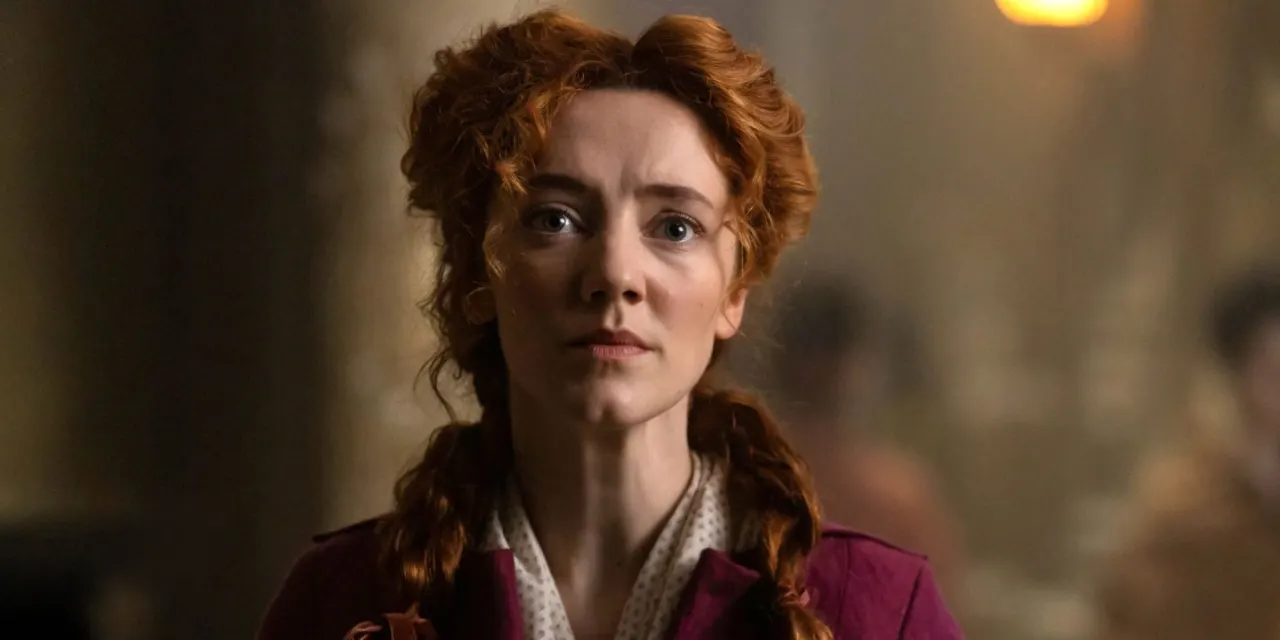
MGM+'s adaptation of Charles Dickens' 'A Tale of Two Cities' reimagines the classic novel for contemporary audiences by deepening the emotional complexity of the love triangle between Lucie Manette, Charles Darnay, and Sydney Carton. The production portrays Lucie as an active participant in her own narrative, pursuing her desires and refusing to be constrained by societal expectations, including her choice to initiate intimacy with Carton. This character development grounds the historical upheaval of the French Revolution in personal stakes and relationship dynamics.
The four-part miniseries concludes with Sydney Carton's ultimate self-sacrifice, allowing Darnay and Lucie to build a future together—a climactic moment the production team crafted to deliver significant emotional weight. Both stars discussed how the finale's impact stems from the expanded development of the central relationships, describing the ending as devastating and profoundly affecting. The modernised approach maintains Dickens' core narrative while amplifying the intimate human drama that underpins the story's timeless themes of love, duty, and redemption.
- MGM+ adaptation deepens the love triangle with expanded character arcs and contemporary emotional resonance
- Lucie Manette portrayed with agency and autonomy in pursuing her own desires
- Finale features Sydney Carton's sacrifice for Darnay and Lucie; actors praise the devastating emotional impact
New here? Start with this
"A Tale of Two Cities" is Charles Dickens' 1859 novel set during the French Revolution, centring on a love triangle between three characters: Lucie Manette, a young woman; Charles Darnay, an aristocrat; and Sydney Carton, a cynical lawyer. The novel follows their intertwined fates as revolutionary violence erupts around them.
MGM+'s new four-part adaptation reimagines the classic for contemporary audiences by portraying Lucie as an active participant in her own story, making her own choices rather than being merely the focus of the men's affections. The production deepens the emotional complexity of the central relationships, grounding the historical drama of revolution in intimate personal stakes.
The original novel explores timeless themes of love, duty, and redemption amid political upheaval, and this adaptation maintains that focus whilst developing the relationships between the three main characters more fully. The story culminates in an act of sacrifice that allows two of the characters to build a future together.
Both sides, in good faith
The strongest fair case each way — we don't pick a winner.
The case for
The case for modernising established works is that literature must speak to living audiences, and updating how characters express agency and desire honours their potential rather than distorts it. Deepening the emotional stakes of the love triangle makes Carton's ultimate sacrifice more devastating and meaningful, since we fully grasp what he's relinquishing; this extension of Dickens' exploration of love, duty, and redemption reflects how contemporary audiences understand human choice, rendering his selflessness more resonant rather than less. By maintaining the narrative's core whilst amplifying intimate human drama, the adaptation neither abandons the original nor refuses to let it breathe for modern viewers.
The case against
The original's power rests substantially on its restraint and the particular ache of unrequited love—artistic choices, not dated limitations—that make Carton's sacrifice profoundly moving precisely because it's selfless. When adaptation substantially rewrites character dynamics and makes Lucie an active initiator of intimacy with Carton, the story's thematic weight shifts: the sacrifice becomes tragic separation rather than redemption through renunciation. Faithful adaptation means honouring what sustained these works across generations rather than reflexively modernising them to match contemporary conventions; both versions can coexist, but there's genuine artistic value in preserving the original's emotional architecture.
Full account
MGM+’s four-part adaptation of Charles Dickens’s A Tale of Two Cities places an expanded love triangle at the centre of its story of the French Revolution. Lucie Manette (Mirren Mack) is drawn to Charles Darnay (François Civil), an aristocrat who has rejected his inheritance, and Sydney Carton (Kit Harington), a troubled lawyer. The series gives Lucie a more active role in deciding what she wants: she pursues the truth about her father, studies medicine despite restrictions on women, and takes the initiative in her relationship with Sydney.
Charles leaves Lucie without an explanation, prompting her to tell Sydney how she feels. Their attraction leads to intimacy, but Sydney’s personal struggles leave him unable to build a lasting relationship with her. Charles later commits to Lucie, and they begin a life together. Their future is put at risk when he is arrested in Paris during the Revolution. His trial brings damaging revelations to light and ends with a death sentence, separating him from Lucie while she is pregnant.
In the finale, ‘Resurrection Man’, Sydney decides to take Charles’s place, allowing Charles to return to Lucie and their family. His choice brings the romantic conflict to a tragic close: the man Lucie could not build a life with gives up his own so that she can keep the life she has made with Charles. Lucie’s reunion with her husband is therefore bound up with the loss of Sydney.
Mack told Collider that she was drawn to a Lucie who acts on her own desires rather than waiting for others to determine her future. She said Lucie recognises kindness beneath Sydney’s difficult manner, even though he struggles to see his own worth. Harington, meanwhile, said the production worked to develop both Lucie and Charles so that her choice between the two men would be convincing to a modern audience. He described the relationships as essential to making the upheaval of the Revolution matter on screen.
Where outlets differ
The first Collider report centres on Mack’s account of Lucie’s independence, her initiative with Sydney and the emotional consequences for her. The second centres on Harington’s account of the adaptation choices, Sydney’s decline and his decision to sacrifice himself. Both describe the same love triangle and finale; the supplied extracts do not establish a factual disagreement between them.