21 Years Ago, a Brilliant Sci-Fi Series Changed TV Forever With One Last-Minute Change
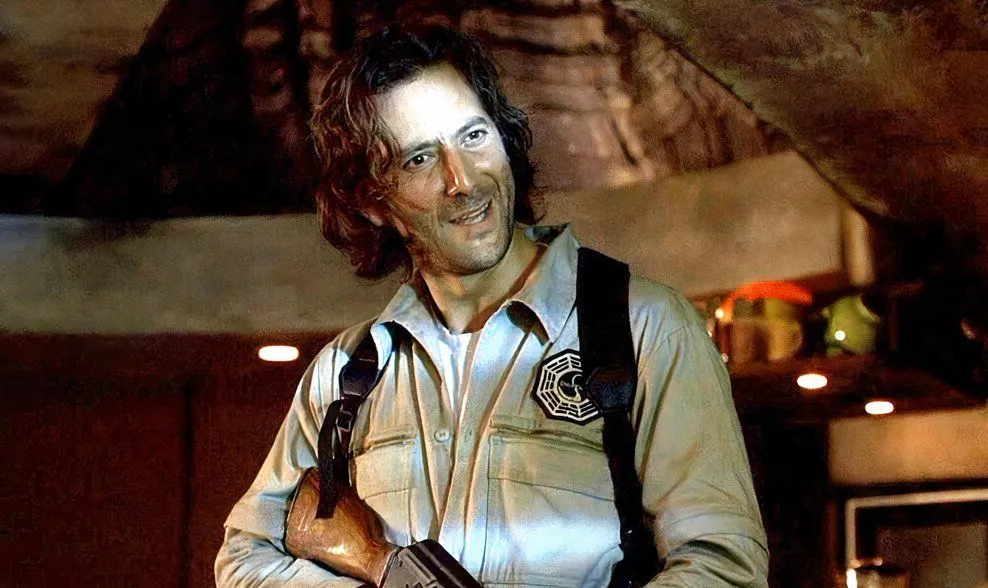
Twenty-one years ago, *Lost*’s second-season episode “Orientation” faced a challenge: explaining the Hatch’s countdown and button without draining the mystery that had driven the first season. The writers created a sudden crisis by having a stray bullet hit the computer, forcing the characters to learn how the Hatch worked while trying to repair it. The article argues this last-minute storytelling choice helped the episode deliver essential information at pace while keeping viewers curious.
The crisis begins when Desmond, played by Henry Ian Cusick, fires at the computer during a confrontation with Jack, Locke and Kate. He warns that the world may be at risk if the countdown reaches zero, and Kate fetches Sayid to fix the machine. An orientation film then introduces the DHARMA Initiative, said to have been founded in 1970; its revelations add further questions. Damon Lindelof later said on DVD commentary that the writers used the computer being shot to make exposition unfold “on the fly”.
- A bullet wound turned Hatch exposition into an urgent repair mission.
- “Orientation” explained the countdown while preserving *Lost*’s central mystery.
- The DHARMA film offered clues that raised new questions.
New here? Start with this
Lost was a television drama that aired from 2004 to 2010, following plane crash survivors stranded on a mysterious island. A central part of the show's appeal was its mystery over the Hatch, an underground structure with a computer featuring a countdown timer that the survivors had to reset every 108 minutes without understanding why or what might happen if they failed.
In the episode "Orientation" from season two, the writers needed to explain the Hatch's purpose and its connection to an organisation called DHARMA without losing the mystery that had hooked viewers. They solved this by having a character accidentally shoot the computer during a confrontation, forcing the survivors to learn how the system worked whilst racing to repair it before the countdown reached zero.
This creative choice allowed essential information to be revealed through urgent action rather than lengthy explanation, maintaining both pacing and viewer engagement. Writer Damon Lindelof later explained that using the shooting let the story develop "on the fly", making it an example of skilful television storytelling.