‘Each artist on their own terms’: why Lee Krasner was every bit the equal to husband Jackson Pollock
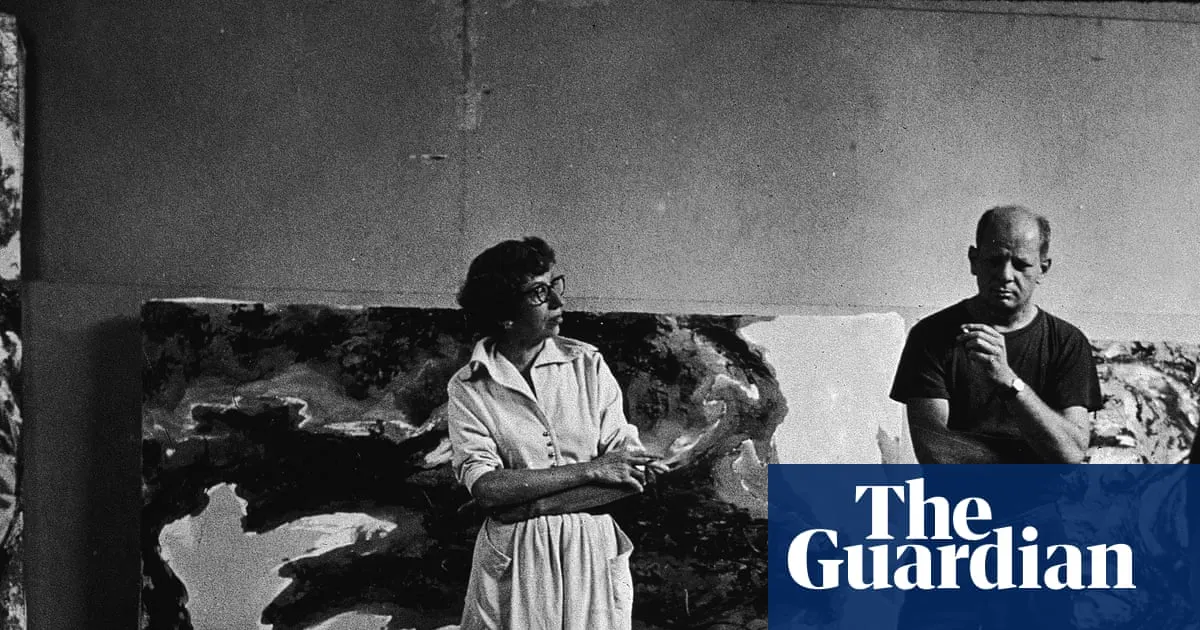
Lee Krasner, the wife of Jackson Pollock, is finally receiving recognition as an equally significant artist through a landmark dual exhibition at New York's Metropolitan Museum of Art. For decades, Krasner has remained overshadowed by her husband despite being an accomplished artist in her own right, having received a solo retrospective at MoMA and seeing her work reach prices of up to $10 million. The exhibition explores how gender politics of the mid-20th century meant that whilst Pollock's career soared, Krasner's remained largely overlooked, even as she supported his work whilst managing her own prolific career.
The massive exhibition features over 120 paintings and brings together loans from more than 80 institutions worldwide, including works by Matisse, Picasso and de Kooning. Krasner and Pollock met at a pivotal 1941 New York exhibition, where Krasner was initially the more socially connected of the two, introducing Pollock to influences like Matisse. After they moved to Long Island together in 1945, they worked alongside one another, with Krasner continuing to create steadily for two decades following Pollock's death in a driving accident in 1956, despite his fame far outpacing hers during his lifetime.
- Lee Krasner emerges as equal artistic force at Met Museum dual exhibition.
- Gender politics historically overshadowed Krasner's career despite her major contributions.
- Krasner's work now sells for up to $10 million at auction.
New here? Start with this
Lee Krasner was an accomplished artist who spent much of her professional life in the shadow of her husband, Jackson Pollock, one of the twentieth century's most famous painters. Despite her own significant achievements, including a retrospective at the Museum of Modern Art and works that have sold for substantial sums, Krasner's work remained largely overlooked for decades. The couple met in New York in 1941 at a pivotal exhibition, when Krasner was actually the more socially connected of the two and introduced Pollock to artistic influences that would shape his development.
The two moved to Long Island together in 1945 and maintained separate but adjoining studios, each pursuing their own artistic practice. Pollock died in a car accident in 1956, but Krasner continued painting productively for another two decades, sustaining a serious career whilst managing the complex task of supporting her husband's reputation as well. Their parallel creative lives meant Krasner was nurturing her own artistic practice whilst also enabling and sustaining his, a demanding balance that the art world of the time did not adequately recognise.
The disparity between their posthumous legacies reflects the gender politics of mid-twentieth-century art, where women artists faced significant barriers to recognition even when their work was accomplished. Pollock's fame increased during and after his lifetime, whilst Krasner's remained marginal despite her consistent contributions to the artistic movements they both helped develop. This imbalance helps explain why Pollock became far more celebrated than his wife, even though both made significant artistic contributions.
Both sides, in good faith
The strongest fair case each way — we don't pick a winner.
The case for
Krasner was an accomplished artist with a six-decade career, commanding valuations to ten million pounds and receiving major institutional retrospectives. Gender politics of the mid-twentieth century systematically marginalised her despite artistic parity with Pollock, whose early work benefited from her influence and ideas. Her historical obscurity reflects injustice rather than lesser merit, making recognition of her achievement essential to understanding that era's art accurately.
The case against
Artistic significance encompasses not merely productivity and commercial success but genuine innovation and influence on art movements and practice. Pollock's drip-painting technique fundamentally transformed modern painting and shaped decades of subsequent artistic development, establishing him as historically more consequential. One can acknowledge that Krasner suffered unjust marginalisation whilst recognising that Pollock's revolutionary innovations gave him greater artistic significance, even if their contemporary treatment was profoundly unequal.
Americas Art Business Culture Elections Entertainment Markets Music Politics World