Zack Polanski allies desperately try to save him as he faces Holborn by-election defeat and coup after Greens’ ‘anti-Semitic’ conference meltdown
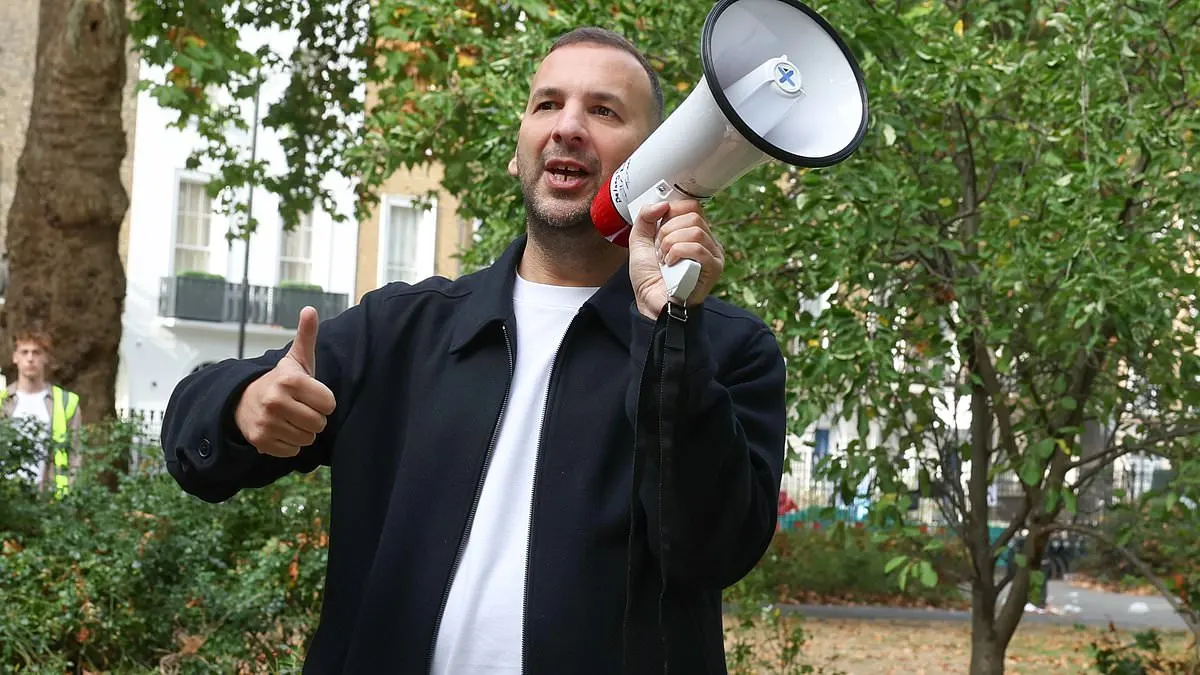
Green Party members have passed a controversial motion declaring Zionism equivalent to racism at their annual conference, sparking a major anti-Semitism row. Party leader Zack Polanski is facing intense scrutiny and potential leadership challenges, with allies scrambling to defend him amid calls for resignation. The move has drawn sharp condemnation from Chief Rabbi Sir Ephraim Mirvis and Israeli officials, and threatens to derail any prospect of the Greens participating in a future centre-left coalition government.
The motion was backed by 1,022 conference members against 813, with supporters chanting slogans against Zionists. Polanski, who was barred from entering Israel in response, controversially skipped the vote to campaign in the Holborn and St Pancras by-election, which he is expected to lose to Labour's Sagal Abdi-Wali. Allies are attempting to lower expectations by suggesting the party's proximity to Labour's vote share would constitute success. However, critics argue the party's stance has now made them unsuitable for inclusion in any future government administration.
- Zack Polanski under pressure after Greens pass Zionism-racism motion
- Chief Rabbi condemns conference vote as anti-Semitism threat
- Move may end Green chances of future coalition role
New here? Start with this
The Green Party has passed a controversial motion at its annual conference that declares Zionism equivalent to racism. The motion was supported by over 1,000 of the conference members who voted, and has drawn strong condemnation from the Chief Rabbi and Israeli officials. The party now faces significant questions about anti-Semitism.
Zack Polanski is the leader of the Green Party and finds himself at the centre of this controversy. He chose not to vote on the motion itself, instead campaigning in the Holborn and St Pancras by-election, where he is expected to lose to Labour's Sagal Abdi-Wali. His supporters are attempting to defend his leadership position amid calls for his resignation.
The incident threatens to affect the party's political standing and its ability to work with other parties in government. The party's stance on this issue has implications for any potential future coalition arrangements, particularly with a centre-left Labour government. The party now faces critical questions about its credibility on matters of discrimination.
Both sides, in good faith
The strongest fair case each way — we don't pick a winner.
The case for
Supporters of the motion argue that Zionism, as a political ideology, can be legitimately criticised separately from antisemitism, and that the Green Party has a duty to take principled stances on Palestinian self-determination and against what they view as colonial practices. They contend that preventing such debate amounts to silencing legitimate political discourse about Palestinian rights and Israeli state conduct, and that conflating all criticism of Zionism with antisemitism stifles necessary international justice advocacy.
The case against
Critics argue that equating Zionism with racism functions as antisemitism in practice, singling out the one Jewish national movement for uniquely harsh condemnation and conflating a mainstream political position held by many Jews with racism. They contend the motion alienates Jewish communities from progressive politics, damages the party's electoral credibility, and makes the Greens unsuitable partners for future coalition governments that require trust and broad consensus-building amongst diverse communities.
Business Elections Government Markets Middle East Politics World