The 1981 song Phil Collins was sure Genesis would have ruined: “A lot busier”
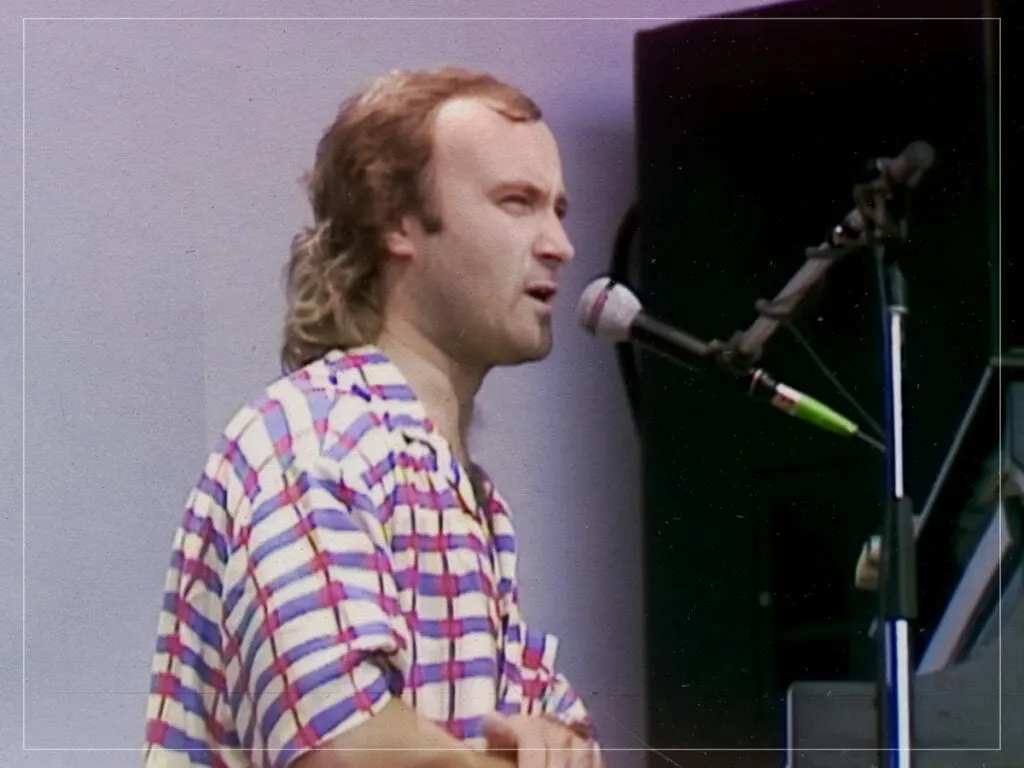
Phil Collins has revealed that Genesis's rejection of 'In The Air Tonight' proved fortunate for the song's artistic qualities. Collins originally brought the track to the band, who dismissed it as too simple, unaware that their collaborative approach would likely have transformed it into an overcomplicated composition.
The power of 'In The Air Tonight' comes from its minimalist arrangement: a drum machine, sparse keyboards, and Collins's vocals create tension that only breaks when the iconic gated-reverb drum break arrives late in the song. Collins explained that Genesis's working method—where multiple accomplished musicians would layer ideas and elaborate arrangements—inevitably made songs "busier" and more claustrophobic. This particular track needed emptiness and space, not the additional instrumental detail and movement the band would have contributed.
- Phil Collins says Genesis rejected 'In The Air Tonight' as too simple
- The band would have overcomplicated it through their collaborative approach
- Song's power comes from minimalism and carefully placed silence
New here? Start with this
Genesis is a rock band formed in the 1970s that became one of the world's most successful acts, with drummer and later vocalist Phil Collins as a key member. The band's approach to songwriting was collaborative, with multiple musicians contributing ideas and layering complex arrangements.
'In The Air Tonight' is a song Collins brought to Genesis during his membership, but the band rejected it as too simple. The song features sparse production with just a drum machine, keyboards, and Collins's vocals, punctuated by a striking drum effect.
The anecdote illustrates the different creative methods between Genesis's collaborative approach and Collins's solo work. Genesis's strength lay in creating layered, complex arrangements through multiple musicians contributing ideas, whilst Collins's solo output could embrace space and simplicity. Had Genesis applied their collaborative method, the song would have sounded very different, as Collins explained that the band's approach made songs "busier" and more claustrophobic.
Both sides, in good faith
The strongest fair case each way — we don't pick a winner.
The case for
The minimalism and deliberate emptiness of 'In The Air Tonight' form the source of its power; the impact of the gated-reverb drum break depends entirely on the stark contrast with the sparse arrangement that precedes it. Genesis's working methodology—where accomplished musicians layer ideas and elaborate arrangements—would have inevitably added instrumental detail and movement that this particular song simply could not accommodate without compromising its emotional architecture. Sometimes artistic integrity demands knowing when to stop adding rather than when to continue; Collins recognised that the song's simple, almost fragile construction was not a limitation to be remedied but its essential strength.
The case against
Genesis possessed considerable arranging sophistication and produced acclaimed work across a spectrum of complexity, suggesting they were capable of enhancement rather than mere elaboration. The assumption that their collaborative process would inevitably diminish the song treats additional instrumental input as inherent deterioration, overlooking the possibility that skilled musicians might have added depth without overwhelming its essential character. Collins's assessment, made decades after the band's initial rejection, may reflect protective rationalisation rather than genuine foresight; the counterfactual remains fundamentally unknowable.