Altman says AI’s benefits will outweigh harms from misuse
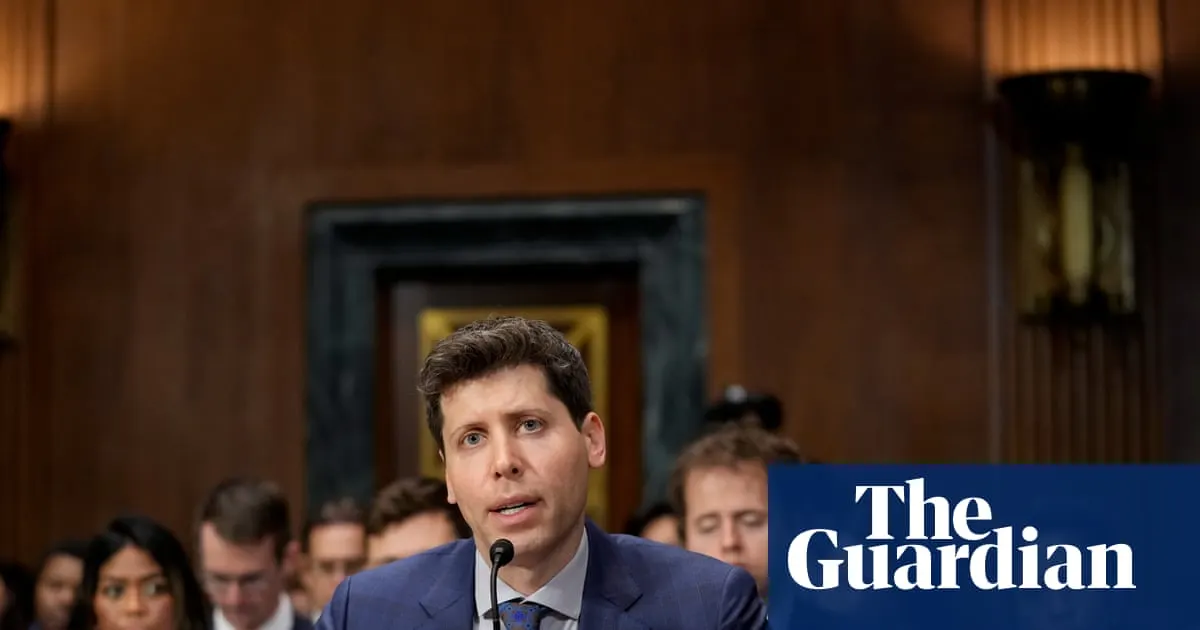
Sam Altman said society should accept some harms from artificial intelligence in exchange for its benefits, arguing that people will do far more good with the technology than the damage caused by hacks, scams and misuse. His comments have drawn criticism amid wider concerns about AI safety and OpenAI’s approach to regulation.
Altman made the remarks in an interview about differences between OpenAI and Anthropic, which has urged the industry to slow down. Florida has asked a judge to require independently approved safeguards before OpenAI develops new models, while a departing OpenAI safety expert said AI companies were not being careful enough. The debate follows reported incidents involving OpenAI agents and a recent White House pact in which US AI firms agreed to “self-police”.
- Altman says some AI harms should be accepted for its benefits.
- Critics question whether tech firms should set the safety trade-off.
- OpenAI faces scrutiny after safety concerns and agent incidents.
New here? Start with this
Artificial intelligence tools have become increasingly widespread and powerful, from chatbots to systems that generate images or make decisions. As the technology becomes more embedded in everyday life, regulators and safety experts worry about potential harms including misuse, scams and hacking, even as advocates point to substantial benefits.
Sam Altman leads OpenAI, one of the largest AI companies. Anthropic is a competing firm that has taken a more cautious stance, arguing the industry should slow development to ensure safety. Regulators like those in Florida have begun questioning whether companies should be required to implement stronger safeguards before releasing new systems.
The disagreement reflects a fundamental tension about how quickly AI should advance and how much risk society should tolerate. Policymakers are wrestling with whether to impose regulations, whilst industry leaders hold differing views on how best to develop the technology responsibly.
Both sides, in good faith
The strongest fair case each way — we don't pick a winner.
The case for
Advocates supporting rapid AI deployment contend that the technology's transformative benefits—in medicine, scientific discovery, education and productivity—will substantially outweigh manageable harms like hacks and scams. They argue that perfect safety is unattainable for any powerful technology, that all development involves trade-offs, and that moving forward enables humanity to capture vital benefits whilst learning iteratively how to strengthen safeguards through real-world experience.
The case against
Critics emphasise that advanced AI systems pose novel and poorly understood risks distinct from conventional technologies, with potential consequences that could be severe and irreversible. They maintain that industry self-regulation has proven inadequate elsewhere, that independent oversight and external safeguards are justified given the magnitude of possible downside risks, and that a precautionary approach to deployment is rational when the stakes are this substantial.
AI Business Cybersecurity Technology
Read the full article at the source →
Originally published by The Guardian as “Accept ‘bad things’ in return for benefits of AI, says Sam Altman”.