Supreme Court considers oil firms’ challenge to US climate lawsuits
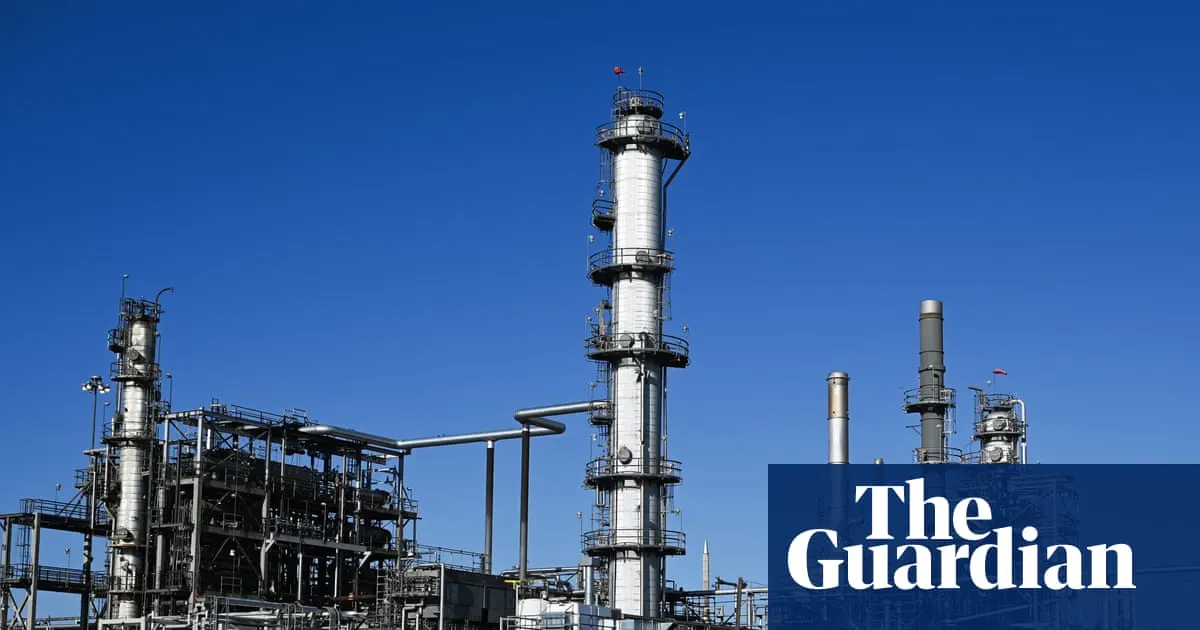
The US Supreme Court hears arguments Monday in a case that could determine the fate of climate litigation nationwide. Boulder County is suing ExxonMobil and Suncor Energy for climate-related damages in Colorado state court, but the oil companies argue that federal law blocks state courts from hearing such cases. If the justices side with the industry, the ruling could eliminate not only Boulder's lawsuit but dozens of other climate cases brought by governments across the US—what legal experts call a potential "death blow" to climate accountability.
Boulder filed its lawsuit in 2018, claiming the companies concealed what they knew about climate damage from burning fossil fuels and should pay resulting costs. The oil firms argue that federal law, particularly the Clean Air Act, preempts state court jurisdiction, even though the Act assigns primary responsibility for air pollution control to states and local governments. Legal scholars note the industry relies on century-old Supreme Court decisions about "federal common law," a strategy that has historically failed: tobacco companies spent decades unsuccessfully fighting state litigation, and the Supreme Court as recently as April reaffirmed states' authority in environmental cases.
- Oil giants seek to block state climate lawsuits at Supreme Court Monday
- Decision could affect dozens of climate cases brought by state and local governments
- Industry legal arguments have historically failed in similar cases
New here? Start with this
Boulder County, in Colorado, is seeking compensation from ExxonMobil and Suncor Energy for climate-related damages caused by burning fossil fuels. The lawsuit, filed in 2018, alleges that the companies deliberately concealed what they knew about climate risks. This case will determine whether state governments can bring such climate damage claims in their own courts, a question with implications for dozens of similar lawsuits across America.
At the heart of the dispute is a question of legal authority: whether federal law prevents state courts from hearing these cases. The oil companies argue that the Clean Air Act, a federal environmental law, gives the federal government sole power over such matters. However, legal experts note this argument is contradictory, since that same Act actually assigns primary responsibility for controlling air pollution to states and local governments.
The oil industry's legal strategy relies on century-old Supreme Court decisions about regulatory authority—an approach that has historically failed. Tobacco companies pursued similar arguments for years whilst fighting state litigation, only to lose repeatedly. The Supreme Court reaffirmed states' authority to bring environmental cases as recently as April, which legal scholars suggest undermines the industry's current position.
Both sides, in good faith
The strongest fair case each way — we don't pick a winner.
The case for
The oil companies argue that federal environmental law, particularly the Clean Air Act, must preempt state-by-state climate litigation to preserve a uniform national regulatory framework. They contend that allowing state courts to impose climate liability through tort claims creates a chaotic patchwork of conflicting standards and undermines the coordinated federal approach Congress designed, effectively sidelining the federal agencies designated to set environmental policy.
The case against
Boulder and allied plaintiffs counter that the Clean Air Act explicitly assigns primary pollution-control responsibility to states and local governments, demonstrating Congress's intent to preserve state authority. They argue this is fundamentally a fraud and property-damage case within traditional state court jurisdiction, and they emphasize that comparable preemption arguments have repeatedly failed—most notably against tobacco litigation—whilst the Supreme Court reaffirmed state environmental powers as recently as April.
Americas Art Business Climate Culture Science World
Read the full article at the source →
Originally published by The Guardian as “US supreme court to hear big oil’s bid to block climate damage lawsuits”.