Salford mother died clutching family photo after fatal house fire
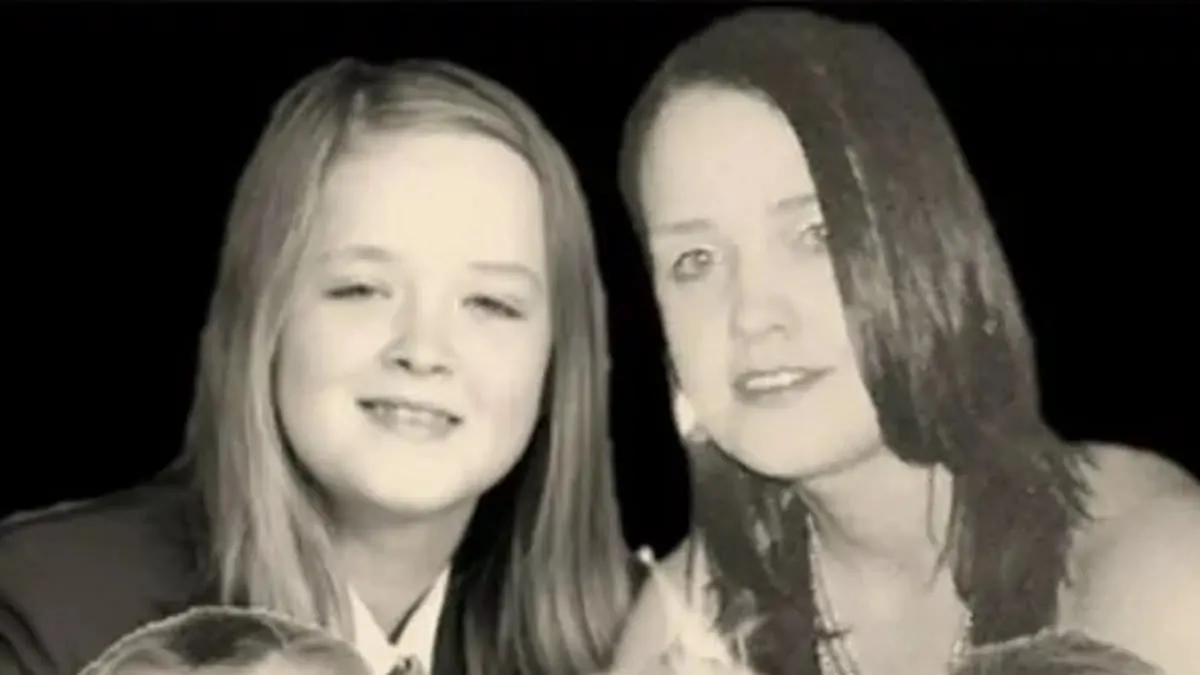
An inquest has heard that Michelle Pearson died in hospital in 2019, more than a year after an arson attack killed four of her children in Salford. The hearing will examine whether agencies could have acted to protect the family, whose relatives say the deaths were preventable.
Pearson suffered burns to 68 per cent of her body and died aged 37 holding a photograph of her children with a crucifix. Before the December 2017 fire, the family had reported smashed windows, a bin fire and graffiti, and sought alternative housing; her children were frightened and one said he no longer wanted to live there. Zak Bolland and David Worrall were convicted of the five murders and sentenced to life imprisonment. The inquest is expected to last around eight weeks and is not a trial or inquiry to assign blame.
- Four children died in a Salford house fire in 2017.
- Their mother died from her injuries in 2019.
- An inquest will examine warnings and possible missed opportunities.
New here? Start with this
In December 2017, an arson attack on a house in Salford killed four children. Their mother, Michelle Pearson, suffered severe burns and died in hospital in 2019 at age 37, holding a photograph of her children. Two men, Zak Bolland and David Worrall, were convicted of the five murders and sentenced to life imprisonment.
Before the attack, the family had reported troubling incidents including smashed windows, a bin fire and graffiti to local authorities. They sought alternative housing as their children were frightened, with one child saying he no longer wanted to live there. The family's relatives believe the deaths were preventable and that these warning signs should have prompted earlier intervention.
An inquest is examining whether agencies could have better protected the family. The hearing is not a trial but will scrutinise what opportunities existed for authorities to act before the fire occurred.
Both sides, in good faith
The strongest fair case each way — we don't pick a winner.
The case for
The family made concrete reports of escalating harassment—smashed windows, bin fires, graffiti—and explicitly requested alternative housing; their children were frightened and expressed not wanting to live there. A more responsive system should have treated such reports from vulnerable families with urgency, particularly when rehousing was actively sought as a solution. Moving the family before the arson attack could have prevented the tragedy entirely.
The case against
The fire resulted from a deliberate criminal act by individuals successfully prosecuted for murder, meaning the perpetrators—not institutional failure—bear primary responsibility. Agencies operate under resource constraints and cannot predict specific arson attacks or immediately house every family reporting harassment. Expecting instant relocation whenever fear is reported, given many competing cases and limited resources, sets an unrealistic institutional standard.
Read the full article at the source →
Originally published by Daily Mail as “Mother died holding photo of her four murdered children after their house was torched in arson attack, inquest told”.