Tories unite behind Badenoch as MPs urge economic focus to win voters
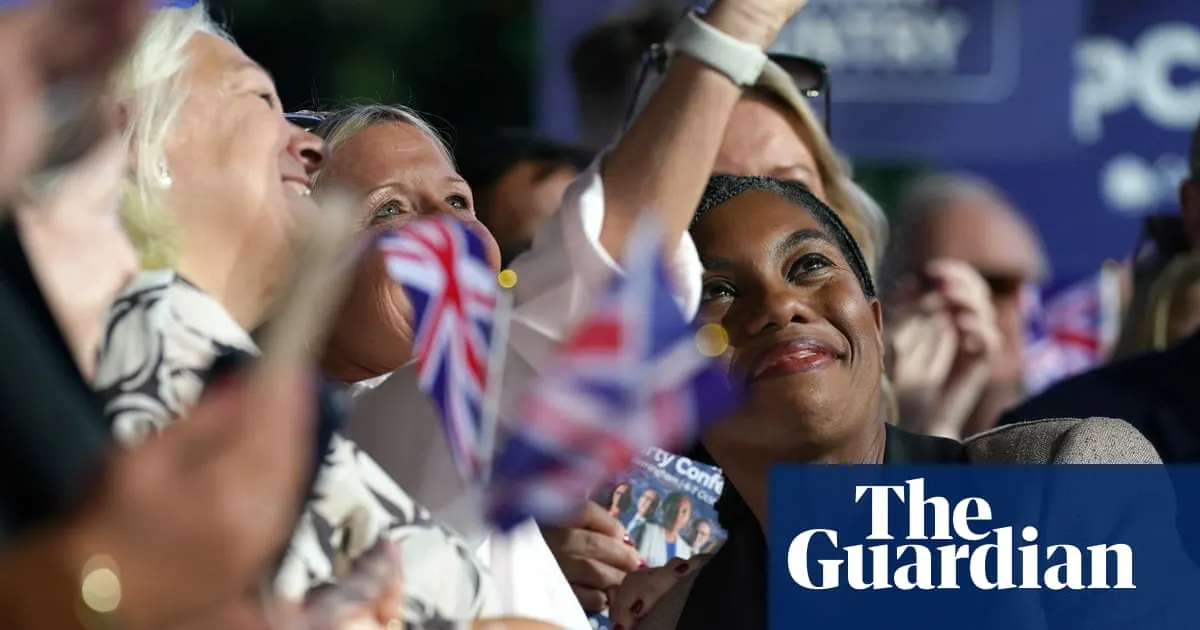
Kemi Badenoch has consolidated her leadership of the Conservative Party, which displays unprecedented unity more than two years into her tenure. Much of this cohesion stems from a shared enemy: Tory defectors such as Robert Jenrick, whose departure has been met with barely concealed relief across party ranks. The relative stability marks a striking contrast to the party's chaotic cycle of five leaders in eight years, a factor that matters significantly as Conservatives attempt to recover from their devastating 2024 election loss.
However, internal unity masks strategic disagreements about the path to power. Many Conservative MPs are urging Badenoch to prioritise economic messaging over cultural issues to win back centrist voters, suggesting unease about her positioning to the right. Whilst Reform UK experienced a difficult summer, the threat it poses remains substantial. The Conservatives still poll significantly lower than in 2024 and must gain several percentage points to demonstrate momentum towards electoral recovery.
- Kemi Badenoch solidifies Conservative leadership with party unity at two-year high.
- MPs urge focus on economy and away from culture wars to win voters back.
- Party still polls lower than 2024 defeat but hopes Reform UK has peaked.
New here? Start with this
Kemi Badenoch has led the Conservative Party since its heavy defeat in the 2024 general election. The Conservatives had experienced years of damaging instability, with five leaders in eight years, making party stability a crucial concern. Her appointment raised hopes for an end to this cycle of constant leadership changes.
The party has recently experienced a degree of unity under Badenoch's leadership, aided by the departure of some high-profile Conservative MPs to other parties. These defections have actually strengthened rather than weakened internal party cohesion, contrasting sharply with the bitter divisions of previous years. This stability matters considerably as the Conservatives attempt to recover from their 2024 election loss and rebuild public support.
Despite internal unity, the Conservative Party remains some way behind in public opinion polls compared to previous election cycles. The party faces ongoing competition from Reform UK and must significantly improve its standing with voters to demonstrate a genuine path back to power. Strategic questions about how best to achieve this recovery remain contested within the party.
Both sides, in good faith
The strongest fair case each way — we don't pick a winner.
The case for
The case for economic focus rests on electoral mathematics: the Conservatives lost their majority primarily during a cost-of-living crisis, with swing voters citing economic anxiety as the chief concern. To recover the necessary vote share, the party must appeal to centrist voters—and these voters prioritise demonstrable economic competence and solutions to living standards. Cultural messaging risks alienating moderate voters whose support is mathematically essential for recovery without meaningfully boosting the core.
The case against
This position argues the Conservative Party cannot succeed by abandoning its identity to chase voters who may prefer centre-left alternatives regardless. Cultural conservatism on immigration, identity and values genuinely motivates Conservative voters and distinguishes the party from centrist rivals. A strategy subordinating cultural concerns risks demoralising the base whilst appearing unprincipled; the party needs coherent integration of both economic and cultural conservatism.
Americas Art Business Culture Economy Elections Politics World
Read the full article at the source →
Originally published by The Guardian as “Tories are united behind Badenoch, but MPs want focus on economy over culture wars to win back voters”.