One Nation proposes barring face veils in all Australian schools
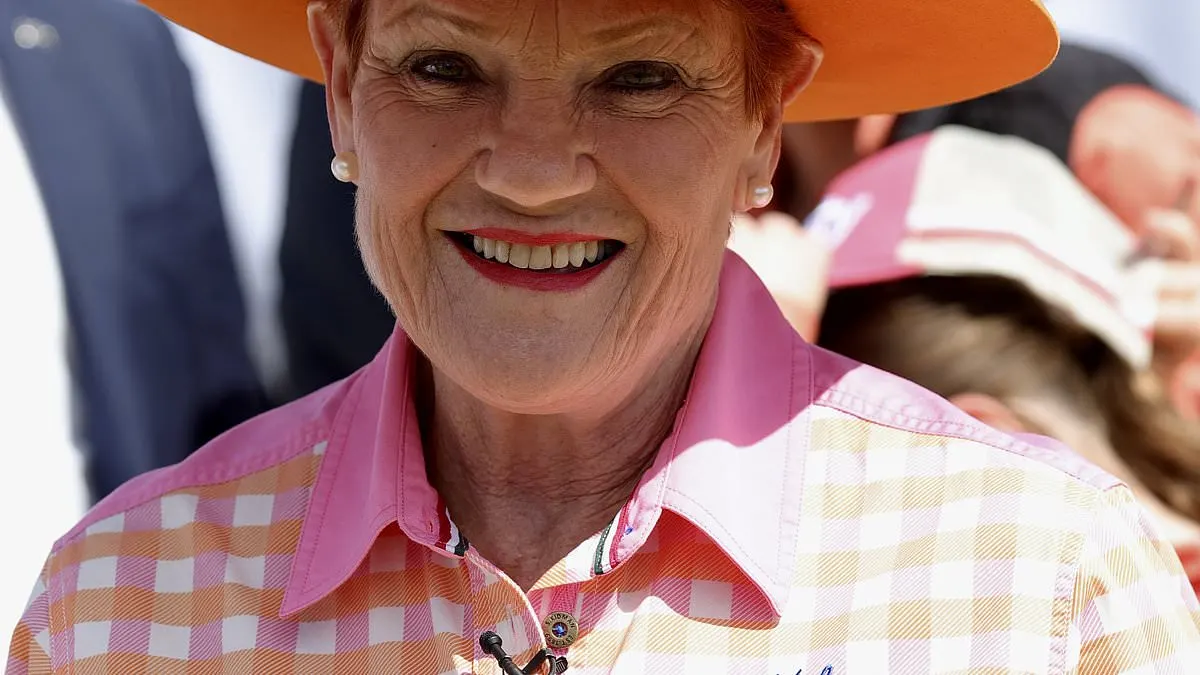
Pauline Hanson's One Nation party has proposed banning burqas, niqabs and other full-face coverings in Australian schools, applying the restriction to all educational institutions including Islamic and private schools. The party justifies the policy as necessary for children to develop social skills, read facial expressions and learn about Australian citizenship, with spokesperson Colleen Harkin stating that "teachers and fellow students can see who they are speaking to." Hijabs would not be banned under the proposal.
At least 24 countries have introduced similar bans or restrictions on full-face coverings, including Muslim-majority nations, with Italy announcing a comparable school ban where parents face fines of up to $1,140. Hanson recently visited the Islamic College of Brisbane to question female students about their choice to wear the niqab, expressing concerns about radicalisation whilst acknowledging that some women may feel pressured to wear religious coverings. Hanson previously wore a burqa in the Senate chamber in 2025 to protest the rejection of an earlier public ban proposal.
- One Nation proposes banning burqas and niqabs in all Australian schools, not hijabs.
- At least 24 countries have introduced similar full-face covering bans or restrictions.
- Hanson cites concerns about radicalisation and student identification and social development.
New here? Start with this
One Nation, a political party led by Pauline Hanson, has put forward a proposal to ban full-face coverings such as burqas and niqabs in all Australian schools. The restriction would apply to every type of educational institution, including Islamic and private schools, though head coverings like hijabs would remain permitted.
The party argues that students need to see each other's faces to develop proper social skills and learn to read facial expressions. They also contend the policy is necessary for Australian citizenship education, where teachers and fellow students need to see whom they are speaking to.
Similar bans or restrictions on full-face coverings have been introduced in at least 24 countries worldwide, from Muslim-majority nations to Western democracies such as Italy. The proposal reflects ongoing discussion in Australia about how to balance religious expression with educational and community concerns.
Both sides, in good faith
The strongest fair case each way — we don't pick a winner.
The case for
Proponents argue that full-face coverings can impede children's social and emotional development by obscuring facial expressions, which are essential for learning communication skills. They contend that classroom effectiveness requires teachers to see students' faces for assessment and engagement, whilst viewing school as a space where children of all backgrounds learn shared Australian values and integrate socially. The policy, they note, is secular and does not discriminate against Islam specifically, as hijabs remain permitted, and finds precedent in twenty-four other countries.
The case against
Opponents contend that the ban infringes religious freedom and the right to manifest faith traditions. They argue it denies individual autonomy to women who genuinely choose these coverings and undermines parental authority over children's religious upbringing. They further suggest that such bans have a discriminatory effect on Muslim minorities despite secular framing, that full-face coverings are worn by very few students in practice, and that alternative pedagogical approaches can address classroom needs without restricting religious expression.
Read the full article at the source →
Originally published by Daily Mail as “One Nation demands nationwide ban on burqas and niqabs in schools as Pauline Hanson warns of radicalisation and says students must show their faces in class”.