Finland halts Google data centre site work over forest clearance checks
Developing story first seen 6 hours ago
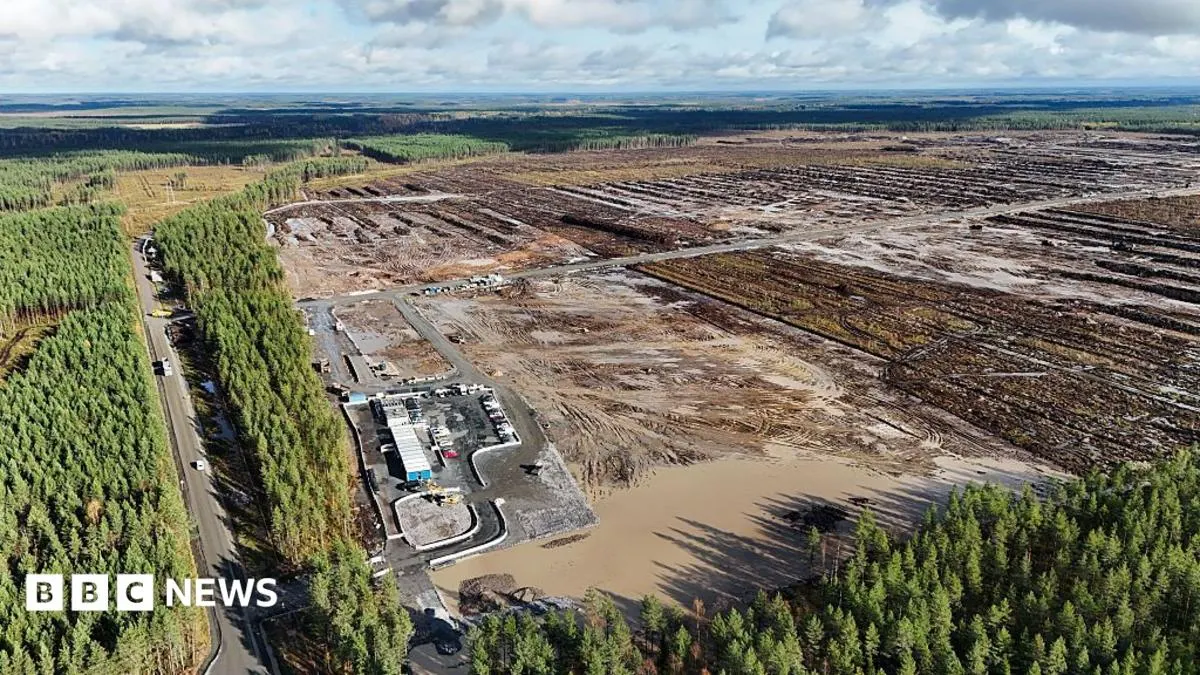
Finnish authorities have ordered work to stop at planned Google data centre sites in Muhos and Kajaani, saying preparatory work at one site went ahead without a required environmental impact assessment. The halt brings new scrutiny to Google’s expansion plans and the clearance of more than 300 hectares of forest.
The Finnish Supervisory Agency ordered work that could significantly alter the environment to be suspended by 23 October and asked project company Tuike Finland to explain its plans by 14 October. Google said it had fallen short of its standards and would follow the agency’s guidance; it also plans tree planting across 130 hectares at Muhos. The projects are part of Google’s €13bn investment in Finland, announced for 2027 and 2028, which the company says could support more than 37,000 jobs.
- Finland ordered a halt to work at two planned Google data centre sites.
- Authorities raised concerns about forest clearance and a missing environmental assessment.
- The sites are part of Google’s €13bn investment in Finland.
New here? Start with this
Google is constructing data centres in Finland – large facilities that store and process information for the company's online services and products. These centres are major infrastructure projects that typically require significant land and resources, but they are expected to generate substantial economic activity and employment in the regions where they are built.
Development projects of this scale in Finland must undergo formal environmental impact assessments before work begins, as required by law. These assessments check what environmental harm might occur to forests, wildlife and water systems, and how such damage could be avoided or reduced.
Google's planned spending in Finland amounts to billions of euros and is expected to support tens of thousands of jobs during construction and beyond. This makes the project one of the largest technology industry investments in the country, though balancing its economic potential against environmental protection requirements remains an important consideration.
Both sides, in good faith
The strongest fair case each way — we don't pick a winner.
The case for
Proper environmental impact assessments exist to protect forests and ecosystems from irreversible damage. Even well-intentioned companies must follow the procedures that democratic societies have established to ensure development is genuinely sustainable. The halt demonstrates that Finland's regulatory system applies fairly and consistently to all actors regardless of their economic importance or investment promises.
The case against
Finland faces an opportunity to secure major economic growth and technological advancement through a €13bn investment creating tens of thousands of jobs. The issue here is procedural rather than substantive—environmental assessments can be completed and conditions imposed. Halting a project with manageable environmental impacts, particularly when the company has committed to significant reforestation, risks deterring future investment in critical infrastructure Europe desperately needs.
Full account
Finland's regulatory authorities have suspended construction activities at two Google data centre locations following environmental concerns related to extensive forest clearance across hundreds of hectares. The Finnish Supervisory Agency (LVV) issued orders requiring Tuike Finland Oy, the company managing Google's expansion in the region, to halt preparatory works by 23 October. The decision followed revelations that site preparation had commenced without completing the mandatory environmental impact assessment process.
The suspended work encompassed substantial land modification at both the Muhos and Kajaani sites. Activities already undertaken included removal of trees, stripping of topsoil, construction of access roads and temporary storage facilities, and modifications to existing drainage systems. The Muhos location saw approximately 330 hectares cleared whilst Kajaani experienced tree felling across nearly 200 hectares of land. Regulators determined these actions constituted significant environmental alterations that fell outside established procedural requirements.
The data centre projects represent part of Google's €13bn investment programme in Finland, representing the company's largest infrastructure commitment in Europe to date. Beyond the data centre developments in Kajaani, Muhos and Vaala, the initiative encompasses modernisation of Google's existing Hamina facility and a substantial long-term energy purchasing agreement with Finnish utility Fortum, securing supply from the Loviisa nuclear power station. According to Google's projections, the development programme would generate employment for over 37,000 workers and contribute approximately €3.6bn annually to Finland's economy throughout the construction phases of 2027 and 2028.
Environmental organisations have criticised the approach to site preparation, characterising it as indicative of broader systemic failures within the rapidly expanding data centre sector. The Finnish Association for Nature Conservation observed that protected natural sites had been destroyed and described one location as effectively reduced to barren ground. Conservationists attributed such oversights partly to intense competitive pressure within the data centre market, which incentivises rapid development and potentially overwhelms resources in smaller local municipalities responsible for oversight.
The supervisory agency has requested that Tuike Finland provide detailed written responses by 14 October outlining its compliance strategy. Should the company fail to meet regulatory requirements, the LVV indicated it would pursue formal enforcement action and impose financial penalties. The environmental impact assessment process remains ongoing, with completion anticipated before the end of 2026. Google acknowledged falling short of its own environmental standards in the matter and committed to following regulatory guidance whilst advancing plans for tree replanting across 130 hectares at the Muhos site.
Where outlets differ
Source 2 provides specific hectare figures (330 in Muhos, approximately 200 in Kajaani) whereas Source 1 refers more generally to 'more than 300 hectares' total
Source 1 emphasises broader investment context, economic benefits and the Fortum power agreement; Source 2 prioritises environmental failures and regulatory breaches
Source 2 frames the issue as a 'systemic problem' linked to overheated market conditions; Source 1 presents it primarily as an isolated instance where Google fell short
Source 2 provides extensive direct quotation from environmental campaigners describing site damage; Source 1 includes conservation concerns but with less emphasis
Source 1 focuses on Google's acknowledgement and compliance commitment; Source 2 emphasises regulatory enforcement threats and financial penalties as deterrents
More coverage
Read the full article at the source →
Originally published by BBC Technology as “Finland orders halt to work on two Google data centres”.