Google’s Googlebooks Laptops Launch with Pixel-Only Integration, Leaving Android Promise Unfulfilled
Developing story first seen 2 hours ago
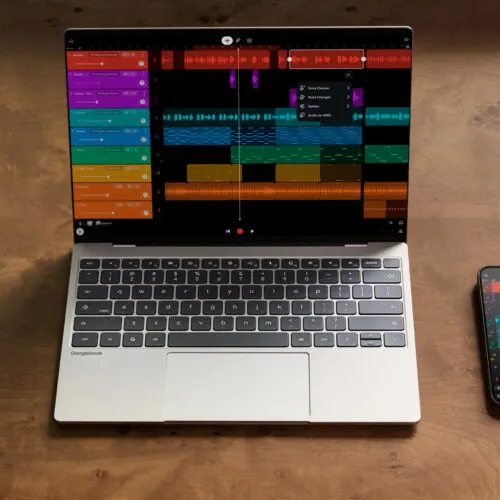
New information confirms that Googlebooks’ “Better Together” features do not yet work with Samsung phones, including recent models running Android 17. This leaves Pixel devices as the only phones offering full integration at launch, narrowing the appeal of Google’s premium laptops and complicating its promise of broad Android compatibility.
The features require Android 17 and let users stream phone apps, access files, mirror notifications and continue some activities on a laptop. Google says Samsung support will arrive in the coming weeks, but only for its Android 17 phones; owners of older or less expensive models may have to wait for an operating system update. Other manufacturers are also behind on Android 17, making Google’s usual separation of new features from major Android updates less evident in this case.
- Googlebooks currently integrate properly only with Pixel phones.
- Samsung support is expected in the coming weeks.
- The features require Android 17, which many phones lack.
New here? Start with this
Google has released new premium laptops designed to work seamlessly with Android phones, mirroring a key strength of Apple's products. The integration, called "Better Together," lets users access their phone's apps, files and notifications directly from the laptop, creating a connected experience across devices. This is Google's attempt to build the same kind of ecosystem appeal that helps lock customers into Apple's hardware.
However, the system currently only works with Google's own Pixel phones, rather than the full range of Android devices. This contradicts Google's earlier promise that the laptops would connect reliably with any Android phone "right out of the box," significantly limiting the devices' potential market. Reviews suggest the software is also incomplete and unreliable in practice, with various features not working as intended.
The timing of the launch appears premature to many observers. With limited Android compatibility and a rough software experience, the laptops fall short of what Google advertised and may struggle to convince buyers to invest in the ecosystem before the technology matures.
Both sides, in good faith
The strongest fair case each way — we don't pick a winner.
The case for
Google's decision to launch with Pixel-only integration represents a pragmatic approach to ensuring quality and reliability before expanding across Android's fragmented ecosystem. Perfecting the feature with their own hardware first allows the company to establish a solid technical foundation and gather valuable real-world feedback from a dedicated user base, rather than releasing immature software across hundreds of device configurations where consistency would prove even more elusive.
The case against
Google's Pixel-only launch directly contradicts explicit assurances that these laptops would work seamlessly with any Android phone out of the box, representing a significant breach of consumer trust. Releasing admittedly rough and unreliable software whilst narrowing rather than broadening device compatibility suggests Google prioritised business timelines over genuine readiness, ironically recreating the closed-ecosystem strategy the company has historically positioned itself against.
Full account
Google's Googlebooks laptops entered the market on Sunday, October 4th, representing the technology company's renewed ambition to compete in the premium laptop segment. Central to this push is the promised integration between the laptops and users' Android smartphones—functionality positioned as a fundamental differentiator from rival devices running Windows or macOS. However, the initial weeks following launch have revealed substantial gaps between Google's public positioning and the technical realities that early purchasers have encountered.
The integration capabilities between Googlebooks and Android phones—when fully functional—demonstrate genuinely thoughtful product engineering. Users can cast applications from their phones directly to laptops, enabling access to mobile apps within a traditional computer interface. The system permits retrieval of files stored on mobile devices through the laptop's file manager, displays smartphone notifications on the desktop, and enables users to seamlessly continue working in certain applications when transitioning between devices. The initial configuration is intuitive, employing quick response code scanning and existing Google account credentials. These features reflect deliberate design philosophy aimed at maintaining workflow continuity between mobile and computing devices.
The practical scope of these integration capabilities extends only to devices running Android 17, immediately restricting the addressable market to a fraction of active Android users. More critically, genuine integration presently functions exclusively with Google's Pixel handset line. Despite the company's assertion during announcement that the devices would integrate seamlessly with any Android phone from the moment of purchase, this claim has proven aspirational rather than accurate. Samsung's latest flagship devices, despite shipping with Android 17, cannot presently utilise these integration features, though Google has committed to resolving this in coming weeks. Competitors including Motorola, which continues to distribute Android 16 on its 2026 devices, OnePlus, and Xiaomi all remain at earlier stages of Android 17 deployment.
This launch approach reflects a fundamental strategic miscalculation regarding the Android ecosystem's fragmentation. Google's reliance on features built exclusively into Android 17, rather than distributed through the more adaptable Google Play Services infrastructure, has resulted in a product launch that contradicts the company's historical messaging about Android's openness and cross-manufacturer compatibility. Samsung's current exclusion proves particularly consequential given the manufacturer's commanding share of the global Android market. The company's decision to proceed with Googlebooks without achieving full ecosystem readiness—combined with ambiguous public communications regarding compatibility—has complicated the initial reception of what are otherwise competently engineered devices.
Where outlets differ
Source 1 emphasises the quality and user-friendliness of the integration features themselves, treating technical limitations as refinement challenges. Source 2 emphasises the restrictive launch parameters and failure to clearly communicate compatibility constraints before release.
Source 1 focuses on specific technical glitches including duplicate app drawers and interface rendering issues in casted applications. Source 2 addresses the broader Android ecosystem question of manufacturer update fragmentation and deployment timelines.
Source 1 frames Googlebooks as promising devices with rough edges requiring polish. Source 2 frames the launch as strategically problematic due to exclusionary practices and misleading pre-announcement messaging.