Portland jury acquits 72-year-old who shot train passenger after threats to partner
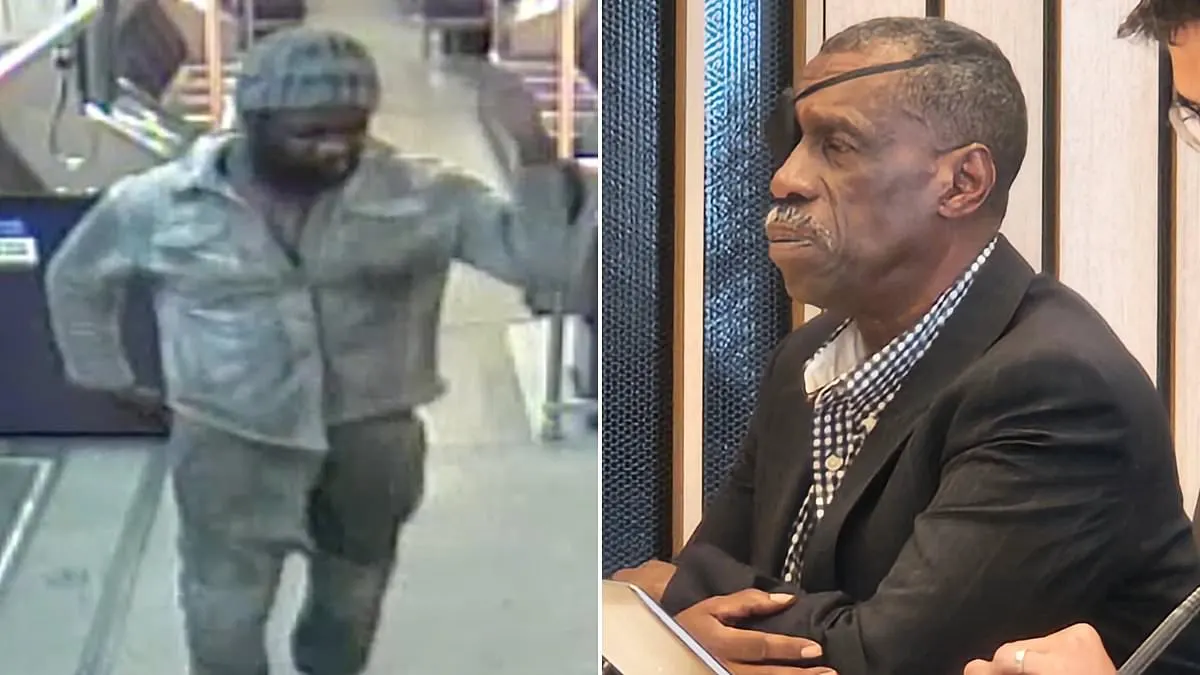
A Portland jury acquitted 72-year-old Michael Grover Phill of attempted murder after he shot a stranger on a light rail train who had exposed himself and threatened to sexually assault his legally blind partner. The January 30 incident raised complex questions about self-defence and gun possession on public transport, with the jury apparently finding that Phill's actions, whilst potentially excessive, did not constitute attempted murder. The case highlights tensions between personal safety concerns and broader public security on public transit systems.
Phill fired at Lance Hicks, 40, a homeless man with a history of mental health problems, hitting him in the thigh after Hicks allegedly approached the couple with his genitals exposed and made violent threats. Surveillance footage captured the incident without audio. Although acquitted of attempted murder, Phill was convicted of being a felon in possession of a firearm (his last conviction was in 2015 for drug possession) and sentenced to approximately two years in prison. The prosecution argued Phill could have used an emergency call button instead of shooting; Phill claimed he had been attacked multiple times in Portland and carried the gun for protection.
- Man acquitted of attempted murder after shooting threatening stranger on train.
- Convicted of being a felon in possession of a firearm; sentenced to two years.
- Case raises self-defence questions on public transport safety.
New here? Start with this
The use of firearms in self-defence situations raises difficult questions about how much force is reasonable when facing a threat. These questions became particularly pressing on public transport, where civilians mix with strangers and safety concerns are acute. A case in Portland, Oregon brought these tensions into sharp focus when a 72-year-old man shot another passenger on a light rail train in January.
Michael Grover Phill fired at Lance Hicks, a 40-year-old homeless man with a history of mental health problems, after Hicks allegedly approached with his genitals exposed and threatened to sexually assault Phill's legally blind partner. Phill claimed he carried the gun because previous attacks in Portland had made him fear for their safety. Hicks was injured but survived the shooting, which was captured on surveillance video though without audio.
The case matters because it tests the legal boundaries of self-defence and raises questions about who has the right to carry guns for protection. It also highlights tensions in the US between the need to protect vulnerable people and concerns about armed individuals on public transport. Courts must weigh individual safety against broader public security when deciding how far self-defence claims extend.
Both sides, in good faith
The strongest fair case each way — we don't pick a winner.
The case for
When facing a direct threat of sexual violence against oneself or a loved one, immediate physical force can be a justified form of self-defence, and the jury's acquittal suggests they recognised that Phill's response was proportionate to the danger presented. A legally blind partner would be particularly vulnerable and unable to escape, making it reasonable for Phill to act forcefully to stop the immediate threat, especially when someone who has experienced urban violence may understandably doubt whether emergency systems will respond in time.
The case against
Permitting armed individuals to become arbiters of force on public transit systems creates danger for innocent bystanders and undermines the purpose of professional transit security and emergency systems. Although the threat was serious, proportional alternatives existed—moving away, using emergency buttons, alerting staff—and Phill's status as a convicted felon illegally carrying a firearm undermines any justification for his armed action; public safety depends on citizens relying on transit systems rather than taking violence into their own hands.
Read the full article at the source →
Originally published by Daily Mail as “Portland man, 72, is cleared of attempted murder after creep boarded train, exposed himself and threatened to rape shooter’s partner”.