Harry Potter’s Cursed Child returns in a streamlined three-hour version
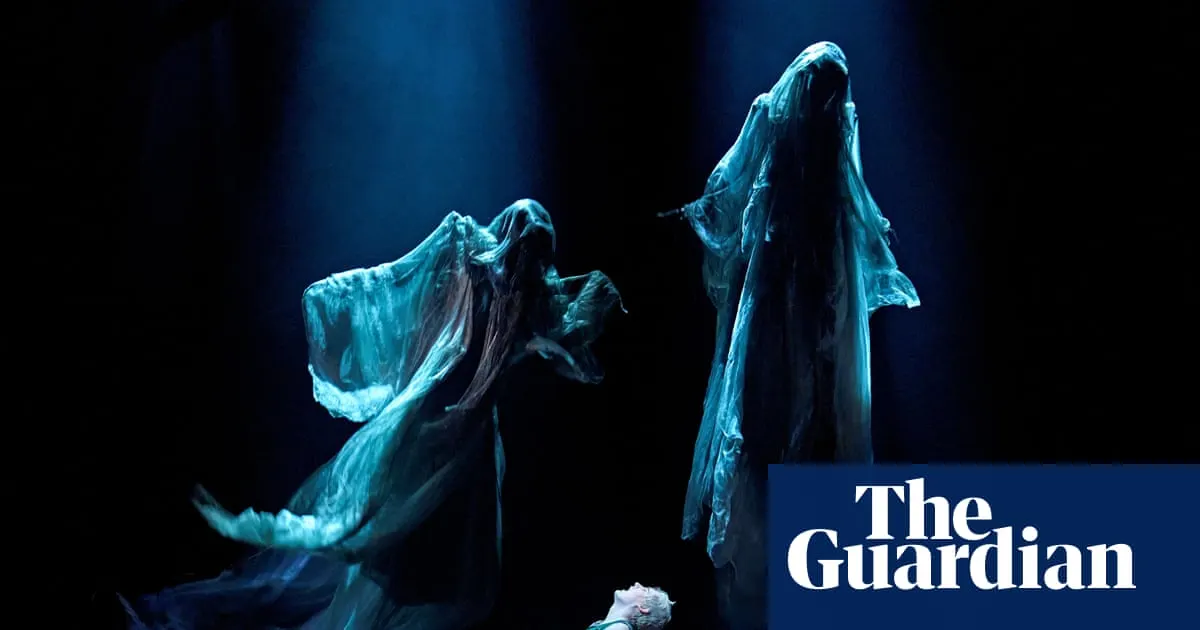
After a phenomenal decade-long run in London's West End, the two-part production of Harry Potter and the Cursed Child will be condensed into a single show. Following the final curtain on the original version on 20 September, rehearsals immediately began for a new three-hour condensed production, down from the original six-hour combined runtime. Producer Sonia Friedman has likened the change to "swapping a Bentley for a Ferrari", suggesting the production retains its quality while becoming more streamlined.
The cast, some of whom have performed the two-part show for years whilst others have only just joined, had just one full week together in rehearsal before the new version opened. Director John Tiffany and writer Jack Thorne, who originally created the script, admitted they had to be "dragged kicking and screaming" into reworking their carefully perfected production. The new version includes fresh emotional beats and new magic tricks whilst maintaining the original's signature theatricality, demanding intense physical and technical collaboration between performers and stage management.
- Harry Potter stage show condensed to single three-hour production after decade-long two-parter run
- Cast learning new script whilst performing original, requiring significant mental and physical endurance
- Directors initially reluctant to change award-winning script but say condensed version retains quality
New here? Start with this
Harry Potter and the Cursed Child is a stage play set in the Harry Potter universe that premiered in London's West End over a decade ago. The production ran as a two-part show, with audiences attending on separate evenings to see both parts, each running several hours. Throughout its ten-year run, the production remained popular with theatre audiences.
The play has been reimagined as a single three-hour show, significantly shorter than the combined six-hour runtime of the original two-part production. The creative team, including director John Tiffany and writer Jack Thorne, reworked the script to fit the shorter timeframe whilst trying to preserve the production's complex stagecraft and special effects. The cast undertook intensive rehearsals to master the tighter, condensed version.
The condensed format represents a significant structural change for a production that remained in its original two-part format throughout a decade-long run. The new three-hour format requires a smaller time commitment than the two separate evenings of the original. The reimagining demonstrates how established theatrical productions can be substantially revised whilst attempting to preserve their core artistic elements.
Both sides, in good faith
The strongest fair case each way — we don't pick a winner.
The case for
Condensing the production makes world-class theatre more accessible to audiences who found six hours an impractical commitment—working parents, school groups, and international visitors can now experience it. The streamlined version allows for more performances, improving the show's commercial sustainability and cast wellbeing whilst preserving the theatrical elements audiences treasured. Thoughtfully reimagining rather than merely cutting—introducing fresh emotional beats and new magical moments—suggests the creative team has found a way to refresh a show that had completed its original run, potentially extending its life with renewed artistic energy.
The case against
The original structure was painstakingly developed and perfected over a decade; removing half the runtime inevitably sacrifices narrative depth and character development that justified its length. The creators themselves resisted this change, suggesting their artistic judgment favoured the original form, and one week's rehearsal after years of performance is insufficient to properly integrate substantial revisions. Cutting three hours of carefully crafted work, however well-intentioned the replacement material, represents an irretrievable loss of what made the production extraordinary and prioritises commercial convenience over artistic integrity.
Read the full article at the source →
Originally published by The Guardian as “‘Like swapping a Bentley for a Ferrari’: can the Harry Potter stage show survive being chopped in half?”.