Labour delays tougher child rape sentencing laws over prison capacity
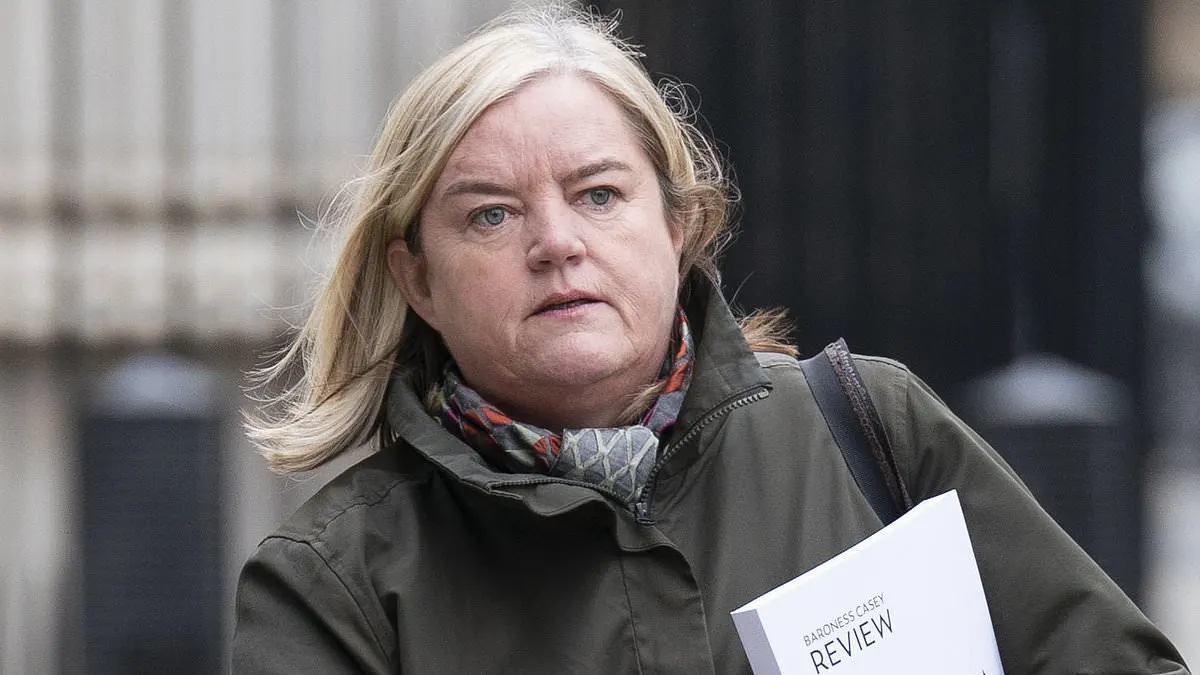
The Government has delayed implementing new laws that would automatically charge men with rape for sexual activity with children, a key recommendation from Baroness Casey's review of the grooming gang scandal. The delay is attributed to prison overcrowding, drawing accusations from Conservative opposition that Labour is betraying victims of grooming gangs by prioritising prison capacity over stronger sentences.
The legislation, passed in April, would increase maximum sentences for child rapists from 14 years to life imprisonment. An impact assessment found implementation would require 200-350 additional prison places at an annual cost of approximately £11.7 million. The Government has not yet provided a specific start date for enacting the law, though officials confirm it will eventually be implemented. The delay also affects other crime measures, including criminalising non-consensual intimate images, which would require a further 25 prison places.
- Government delays child rape law strengthening due to prison overcrowding
- New laws would increase sentences from 14 years to life imprisonment
- Critics say delay betrays victims of grooming gang scandals
New here? Start with this
Grooming gangs are networks of men who systematically abuse and exploit children through manipulation and control. In recent years, several high-profile cases across the UK exposed widespread failures by police and councils to protect victims, leading to public inquiries. Baroness Casey conducted a major review into one such scandal and recommended tougher laws to hold perpetrators accountable.
The Government passed legislation in April that would increase the maximum sentence for child rape from 14 years to life imprisonment, and would make it automatic for men to be charged with rape rather than other offences when sexually abusing children. These changes were meant to send a strong message about the seriousness of these crimes and were based on expert recommendations to improve victim protection.
However, the Government has now delayed putting this law into effect, citing concerns about overcrowded prisons. Implementing it would require approximately 200 to 350 additional prison places, costing roughly £11.7 million annually. Opposition politicians argue this shows the Government is prioritising practical prison management over protecting vulnerable children, while officials maintain the law will eventually be enacted.
Both sides, in good faith
The strongest fair case each way — we don't pick a winner.
The case for
The prison system operates at critical capacity, and implementing more severe sentences without adequate infrastructure creates practical operational challenges including safety and system-wide efficiency concerns. Sequencing the law's implementation to align with planned capacity expansion ensures it can function effectively rather than becoming impractical. The commitment to this reform is genuine; this represents responsible timing of implementation rather than policy abandonment.
The case against
Grooming gang victims deserve swift implementation of this key Casey review recommendation. Prison overcrowding is a chronic problem that governments have habitually cited when deferring difficult commitments, perpetuating an unacceptable cycle of delay for victims. The Government should have secured implementation resources before passage, and alternatives exist that would enable prompt enactment rather than continuing to signal that these victims' justice is not an urgent priority.
Read the full article at the source →
Originally published by Daily Mail as “Labour accused of a ‘betrayal of rape gang victims’ by stalling new laws for harsher sentences to free up prison space”.